.png)
English

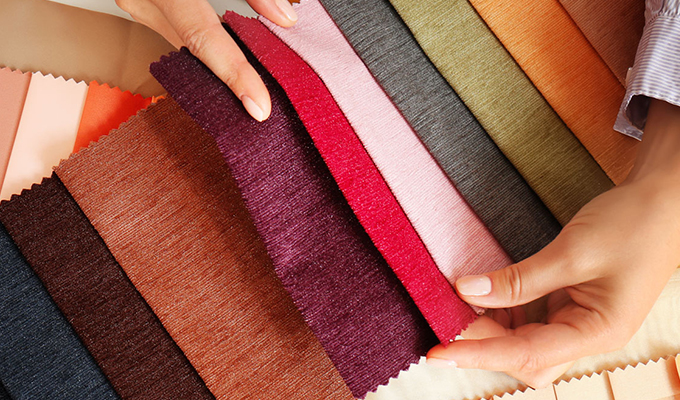
Jacquard knitted fabric stands apart from most other textile categories because it combines structural complexity with genuine visual richness in a way that neither plain weaving nor standard knittin...
Woven fabric is the foundation of the global textile industry — and for good reason. The interlacing of warp and weft yarns produces a structure that is dimensionally stable, available in an extraord...
In the vast world of textiles, few materials are as ubiquitous and essential as single jersey fabric. If you open your wardrobe right now, chances are you will find at least five items made from this ...
In the intricate world of textile manufacturing, the creation of a three-dimensional surface without the need for additional embroidery or weaving complexity is achieved through the production of Embo...
The fundamental essence of the textile industry lies in the interlacing of yarns, a process that produces the versatile and durable Woven Fabric. But what makes this construction so enduring across ce...
As global fashion pivots towards tactile complexity and functional elegance, Jacquard knit fabrics have emerged as the premier choice for high-end apparel engineering. This report analyzes the technic...
1. Material Selection
The production of Rib Embroidery Fabric starts with the selection of fabrics. Common fabric base materials include cotton, polyester, nylon, wool and man-made fibers. These materials have good elasticity and comfort, and can meet the needs of different styles and uses. In the production of SHAOXING YUZE TEXTILE CO.,LTD, the most commonly used base materials are polyester and man-made fibers, which are not only durable and cost-effective, but also have good dyeability and embroidery adaptability.
2. Rib weaving
The production process of rib fabric is a highlight of Rib Embroidery Fabric. Rib fabric uses special settings of the loom to alternately weave warp and weft yarns of different thicknesses, so that the surface of the fabric presents a striped texture. According to the density and shape of the stripes, rib fabrics can be divided into single rib, double rib and multi-rib. The advantage of the rib structure is that it provides better elasticity and comfort, and the visual effect of the stripes also makes the fabric more three-dimensional and dynamic.
3. Embroidery technology
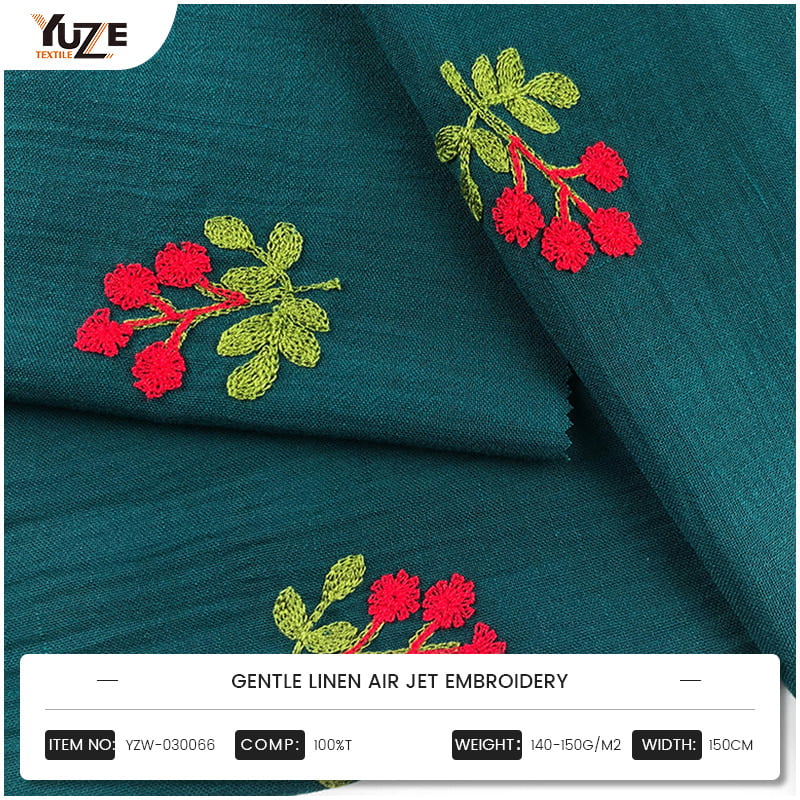
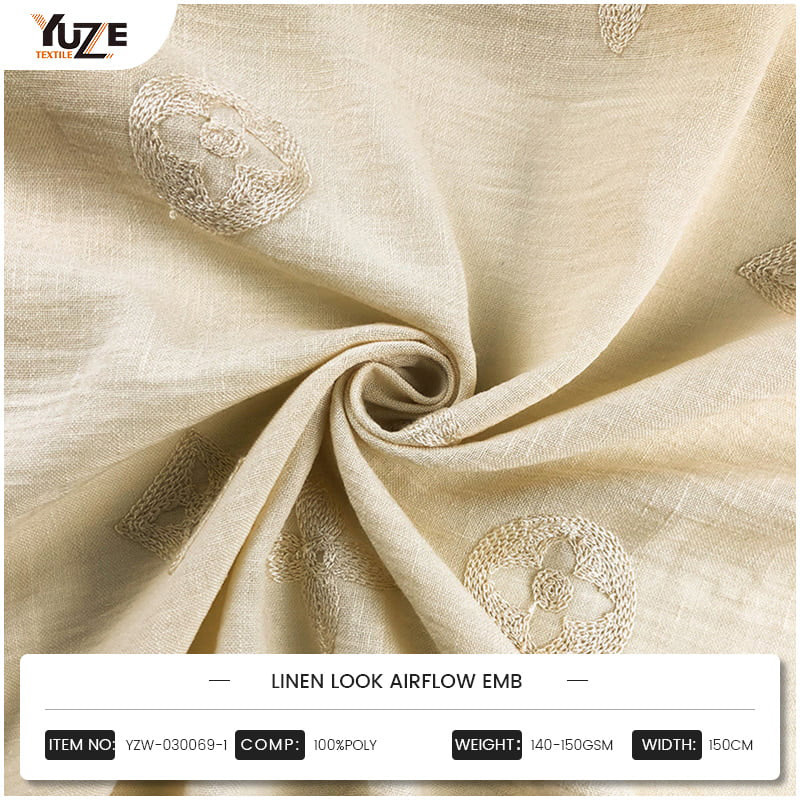
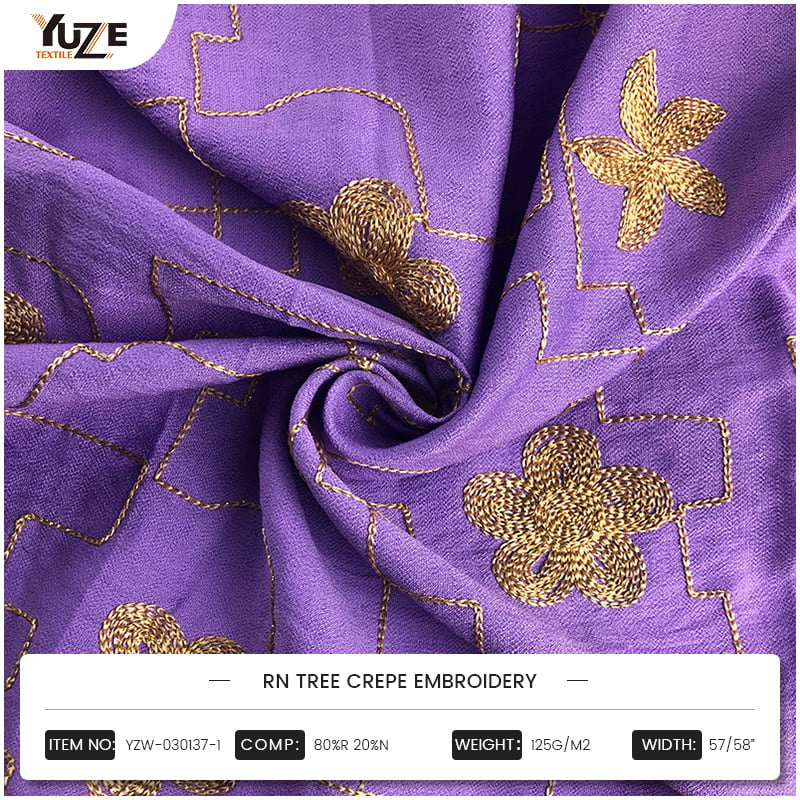
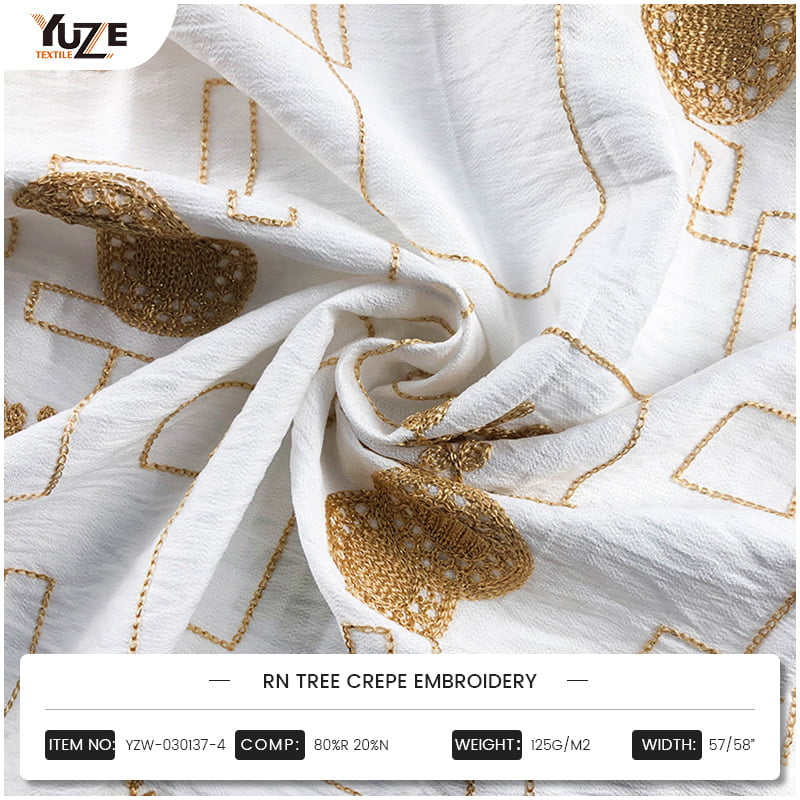
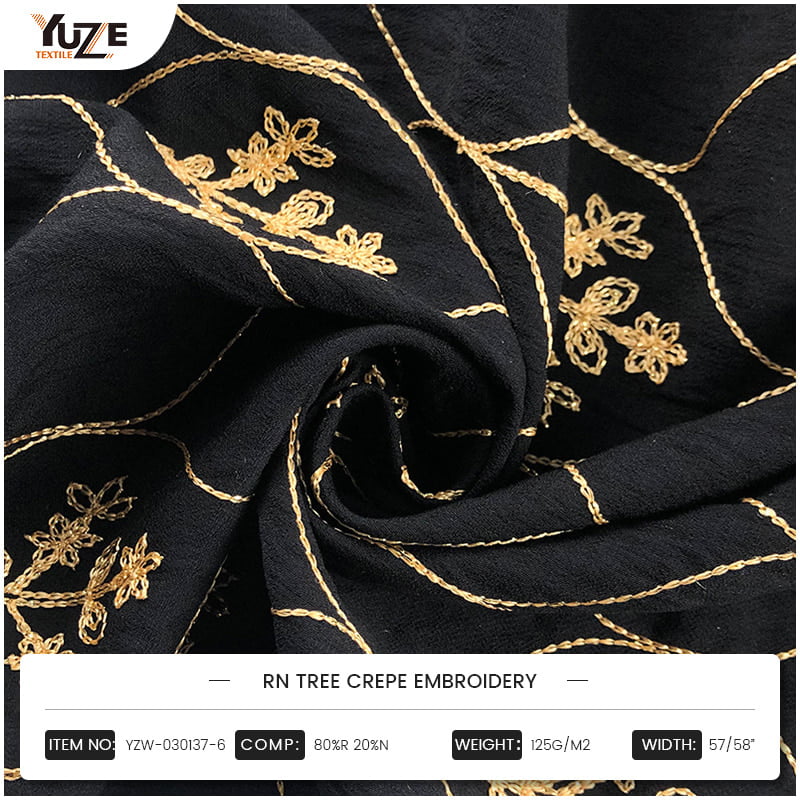
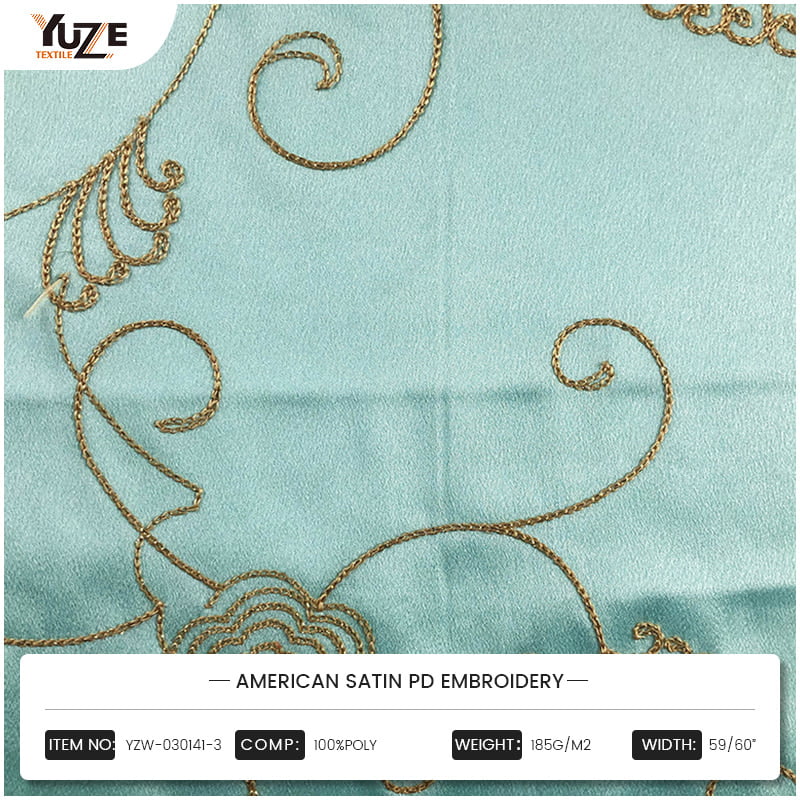
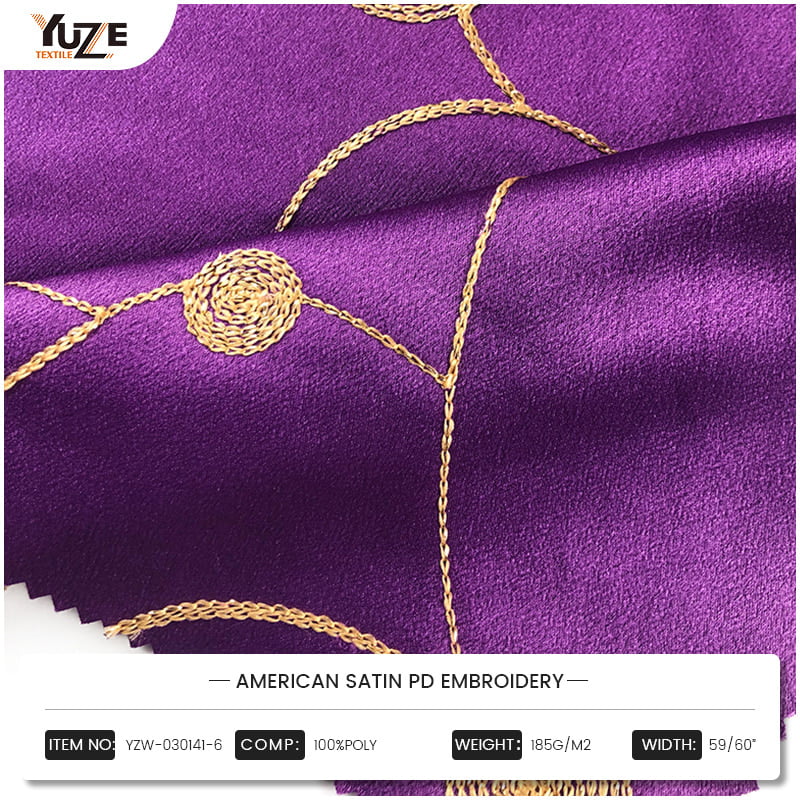
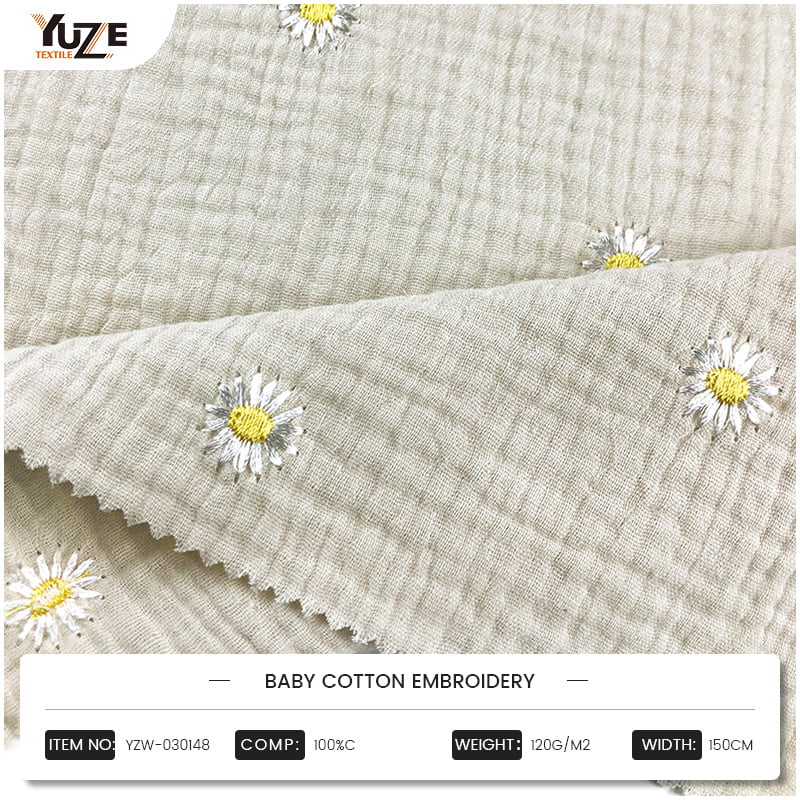
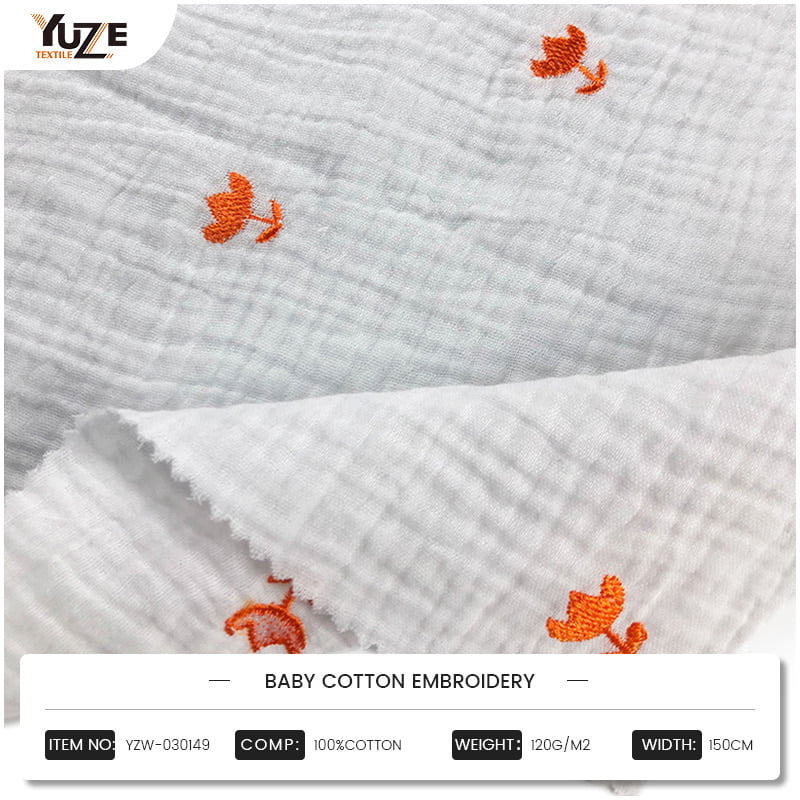
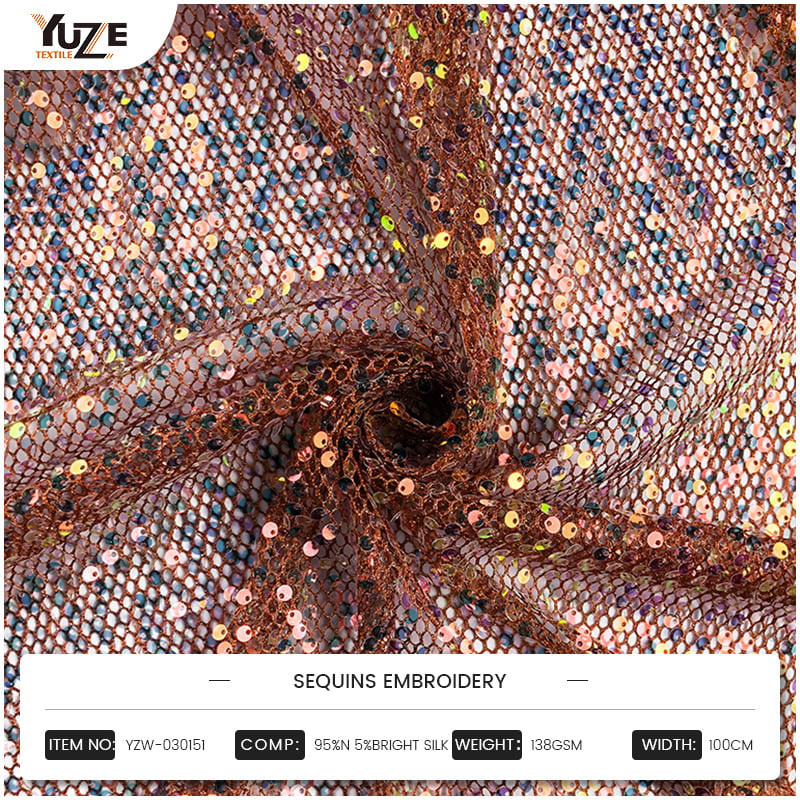
On the basis of rib fabric, the embroidery technology further enhances the artistry of the fabric. Embroidery uses a computer-controlled automated embroidery machine to embroider the design pattern on the surface of the fabric through precise control. The embroidery pattern can be a simple geometric shape or a complex flower, animal or brand logo. The advantage of the embroidery technology is its fineness and high added value, which can add a unique beauty and texture to the fabric.
4. Dyeing and printing
Dyeing and printing technology is another important link in the production of Rib Embroidery Fabric. At SHAOXING YUZE TEXTILE CO.,LTD, the company uses advanced dyeing and printing technology to achieve a variety of color effects and pattern designs. The dyeing process usually uses environmentally friendly water-based dyes or reactive dyes to ensure the durability of the color and the environmental performance of the fabric. The printing process can accurately present the pattern on the surface of the fabric through heat transfer, screen printing, etc.
5. Post-processing and quality inspection
During the production process, the fabric undergoes a series of post-processing procedures, such as shaping, softening, and shrinkage resistance, to ensure the stability and comfort of the fabric. Quality control is one of the core links of SHAOXING YUZE TEXTILE CO.,LTD. All fabrics will undergo strict quality inspection before leaving the factory to ensure that each batch of products meets international standards.

If you are interested in any of our products or would like to discuss custom orders, please do not hesitate to contact us.
 +86-13867507849
 +86-13867507849
 +86-13867507849
 Room 1003, 1st Building,JixiangBuilding,Huashe, Keqiao, ShaoxingZhejiang, China
Scan code Attention to follow us

.jpg)
Copyright © SHAOXING YUZE TEXTILE CO., LTD All Rights Reserved.
 English
 Español
 +86-13867507849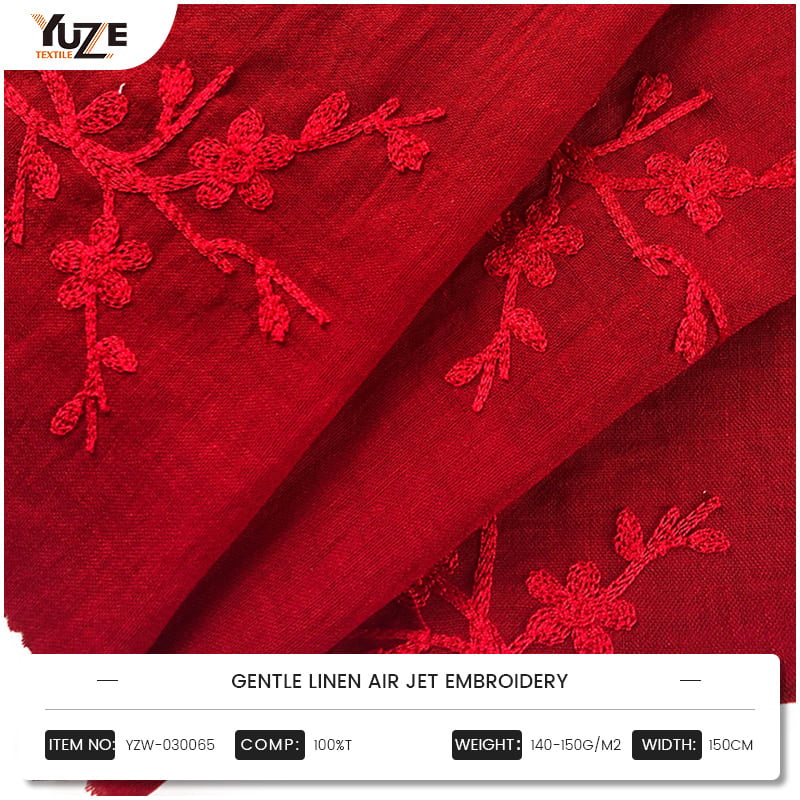
.jpg "YZS21-125 RAYON OE SPANDEX PRINT")

