.png)
 English
 Español
In the vast world of textiles, understanding the intricacies of material construction is essential for designers, manufacturers, and consumers alike. Whether you are browsing for the latest activewear or sourcing materials for a fashion line, the term Knit Fabric inevitably takes center stage. This guide serves as A beginner’s guide to knit fabric types, exploring the technical foundations, the variety of textures, and the functional benefits that make these textiles indispensable in modern life. As global fashion leans more towards comfort and utility, the demand for high-quality Knitted Fabric has surpassed many traditional materials, creating a need for a deeper understanding of its properties.
Understanding the Fundamental Structure of Knitted Fabric
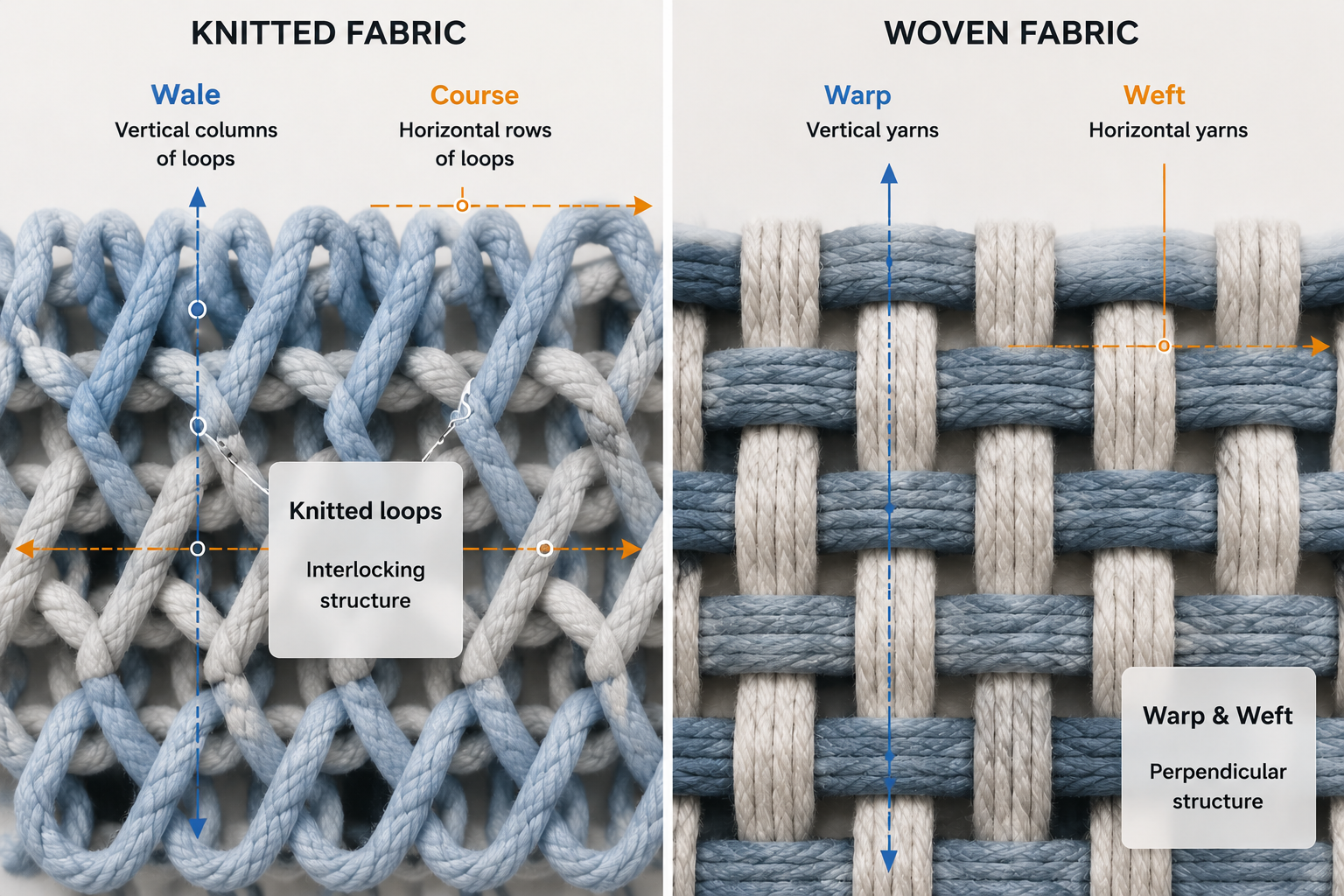
To appreciate the true value of Knitted Fabric, one must first look at its microscopic architecture. Unlike its counterpart, Woven Fabric, which is created by interlacing two sets of straight yarns at right angles (warp and weft) to create a stable, non-stretching grid, a knit is formed through a series of Knitted loops. These loops are flexible, allowing them to shift and change shape when under tension, which is the primary reason why knits are so famously comfortable.
The Anatomy of a Loop: Wale and Course
In the technical study of knitting, the orientation of loops determines the fabric's stability, density, and overall appearance. We identify these orientations using the professional terms Wale and Course.
-
Wale: This refers to the vertical column of loops that runs through the length of the fabric. In high-quality knits, the wales are straight and consistent, providing vertical integrity and determining the widthwise stretch capacity.
-
Course: This refers to the horizontal row of loops that runs across the width of the fabric. The number of courses per inch affects the fabric's weight and how much it will stretch or "give" along its length.
The density and arrangement of these loops contribute to the unique physical properties of the material, such as its thickness, weight, and elasticity. By manipulating the way these loops intermesh—whether they are pulled to the front or pushed to the back—manufacturers can create everything from sheer, delicate hosiery to heavy-duty, insulating winter sweaters. The geometry of the loop itself acts as a tiny spring, which is why knits can recover their shape so effectively.
Exploring the Major Categories: Weft Knitting vs. Warp Knitting
The knitting industry is broadly divided into two primary production methods based on the direction of the yarn feed. The Difference between weft and warp knitting lies in the direction in which the yarn travels during the formation of the fabric, which fundamentally alters the end product's durability and elasticity.
Weft Knitting: The Versatile Standard
Weft Knitting is perhaps the most common form of knitting used in the apparel industry today. In this process, a single yarn travels horizontally across the fabric, forming loops row by row. This can be done by hand with two needles or by massive circular knitting machines. Because the yarn is continuous across the row, weft knits are highly valued for their exceptional elasticity and "drape."
Popular Weft Knit Varieties
-
Single Jersey: If you look at a standard T-shirt or a lightweight summer dress, you are likely looking at a Single Jersey. The Characteristics of single jersey knit fabric include a distinct "V" shape on the face side (knit stitches) and a semi-circular loop structure on the back (purl stitches). It is lightweight, breathable, and possesses a natural tendency to curl at the edges when cut, which designers sometimes use as a stylistic feature.
-
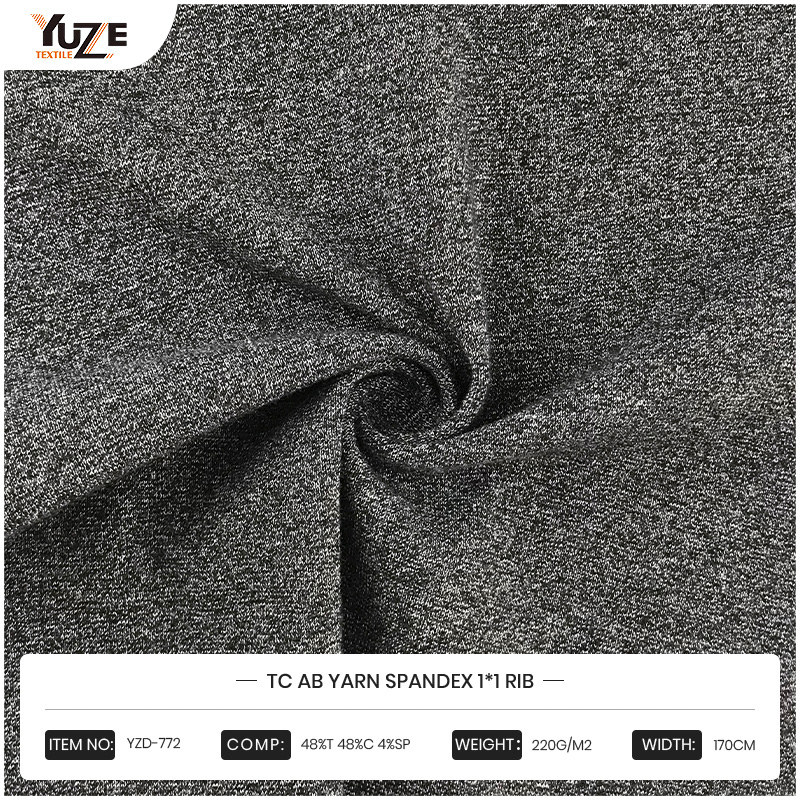
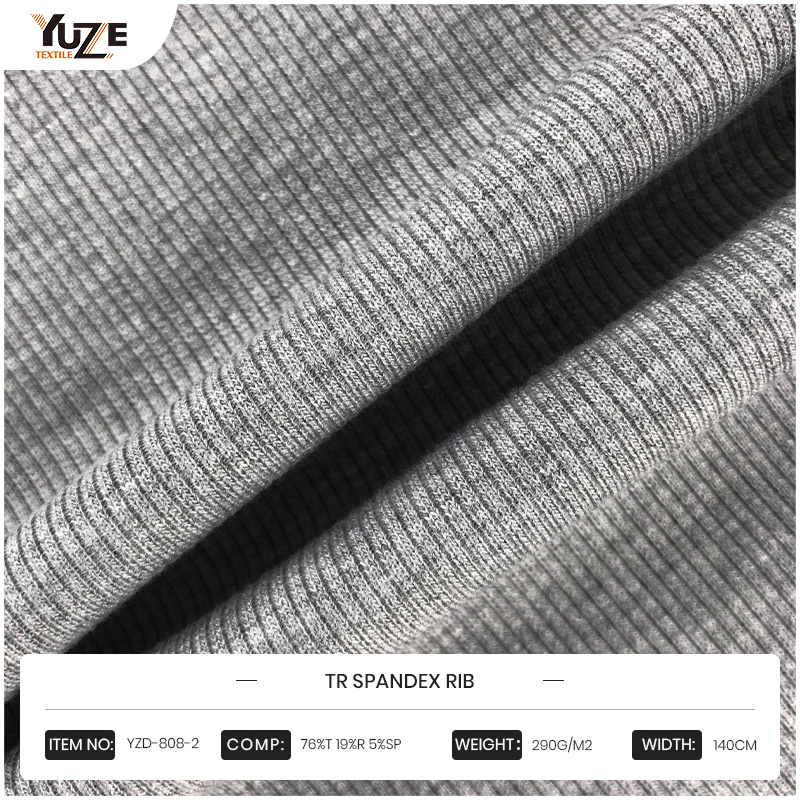
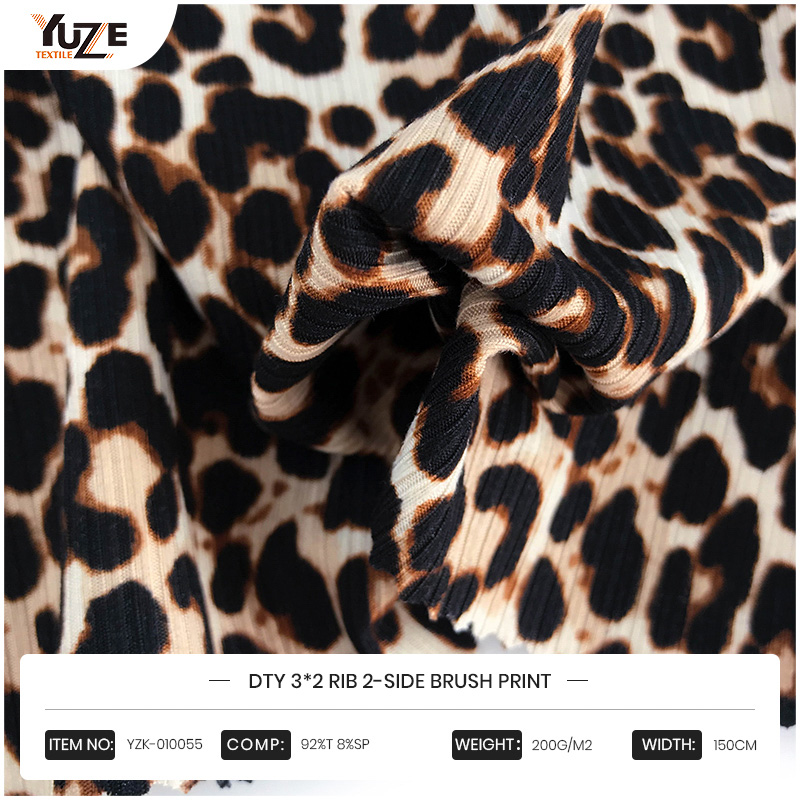
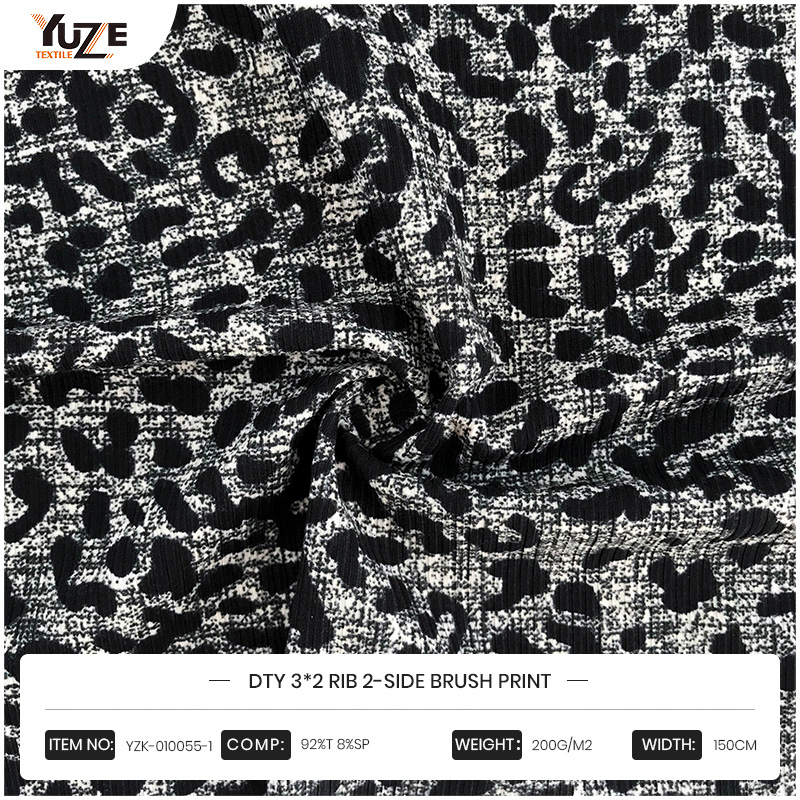
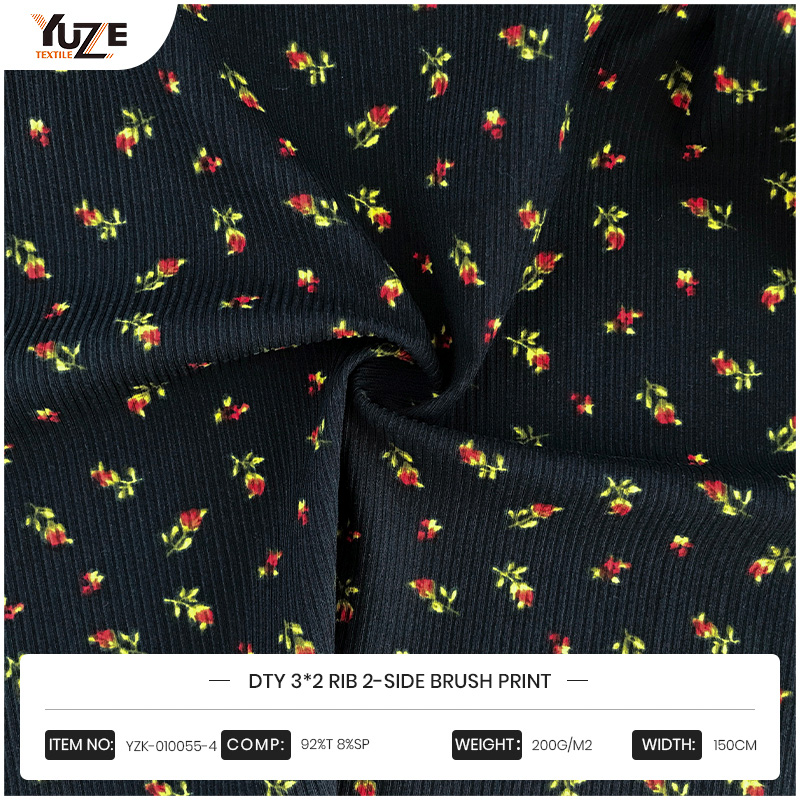
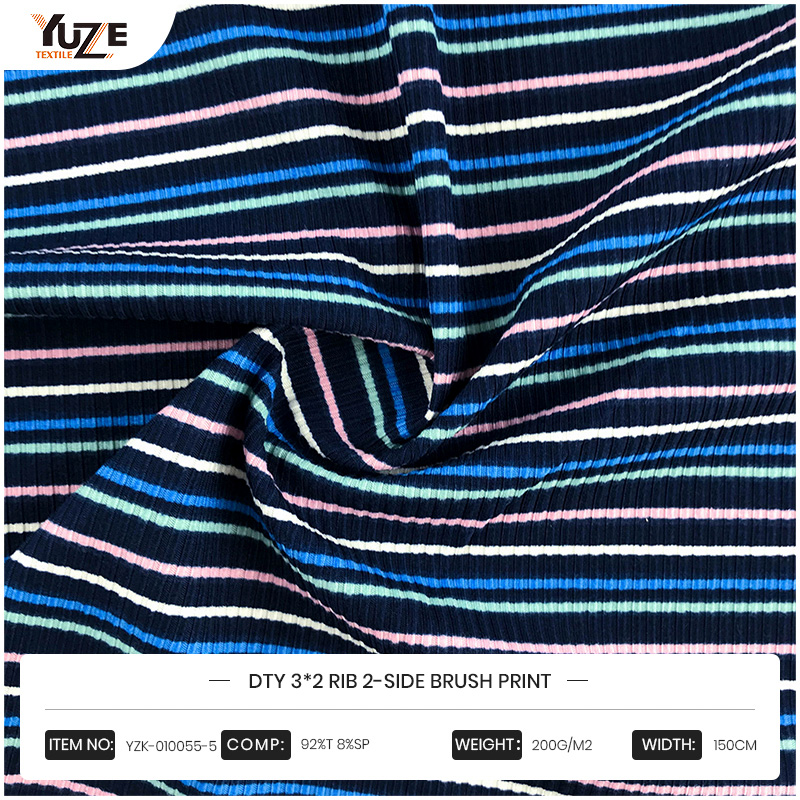
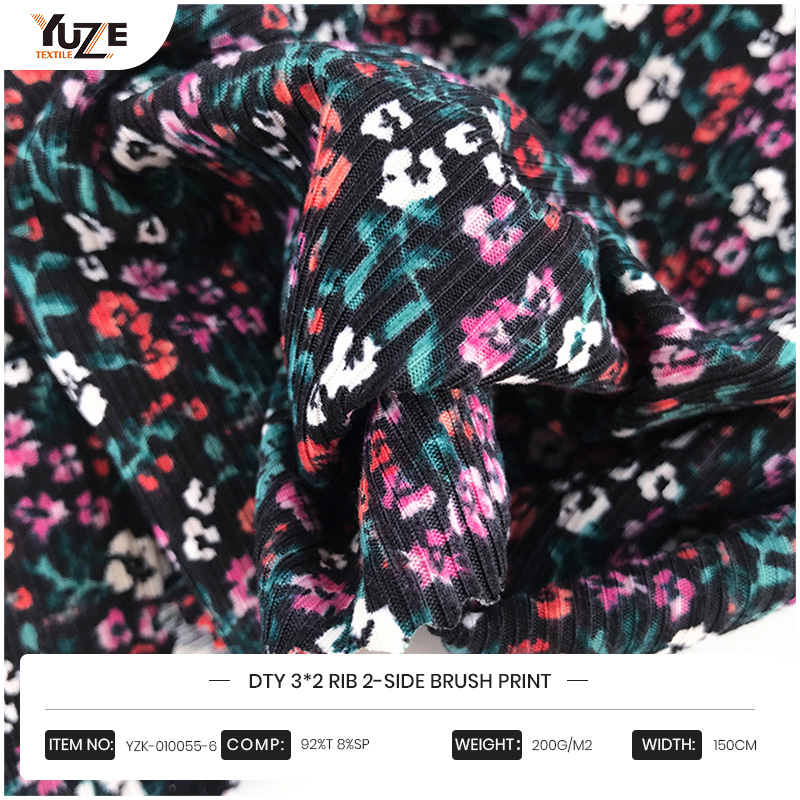
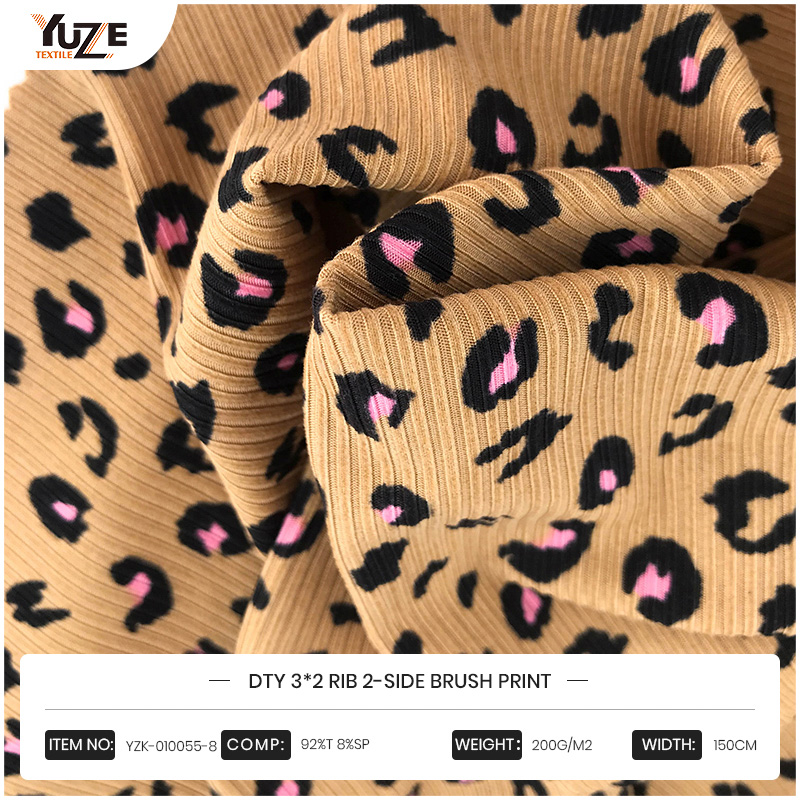
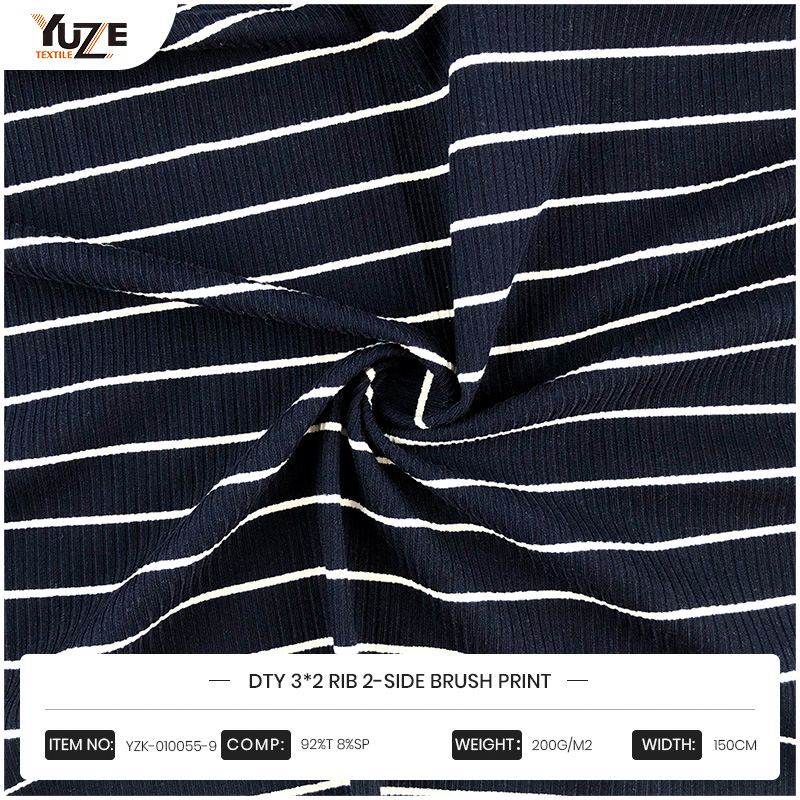
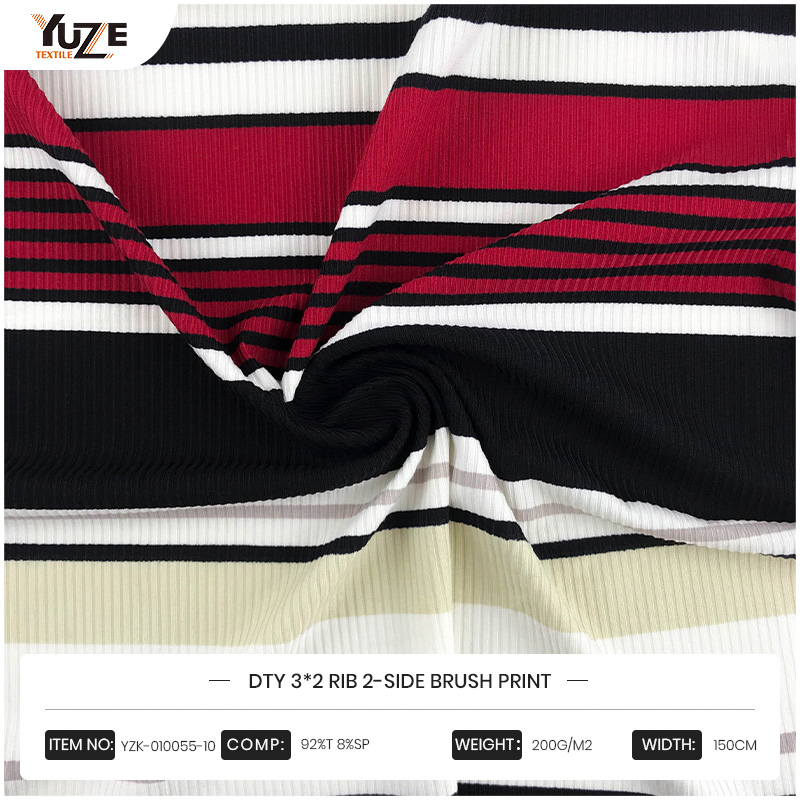
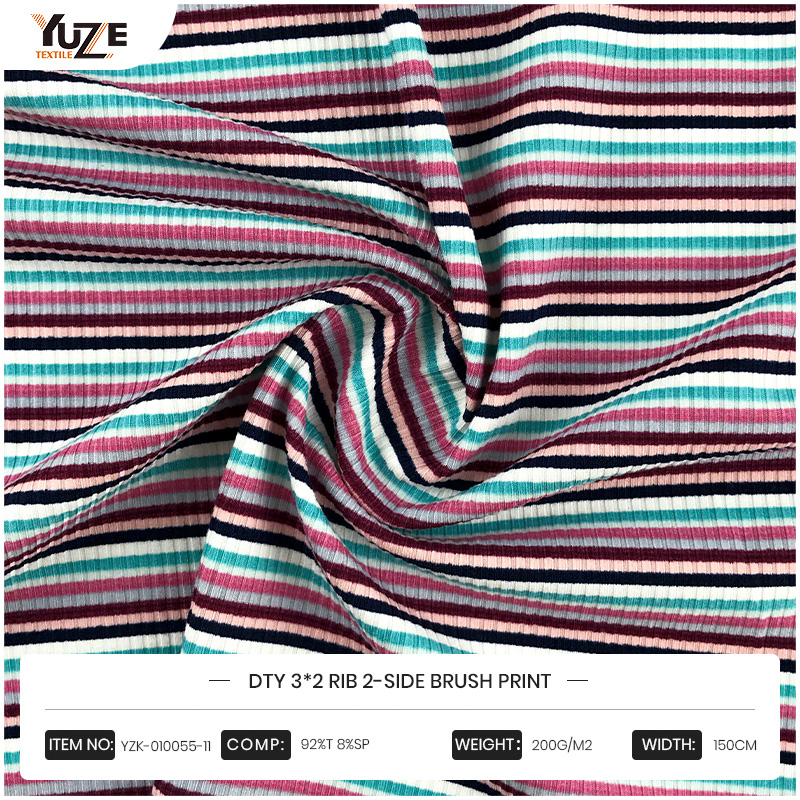
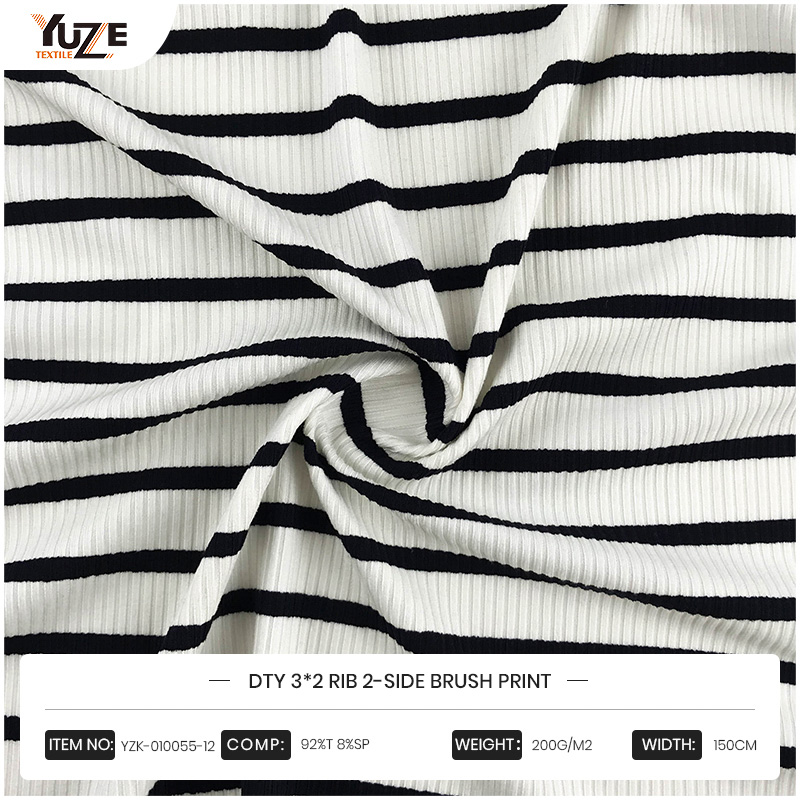
Rib Knit: This type of fabric features alternating raised rows of knit and purl stitches, creating a corrugated texture. Rib Knit is famous for its high lateral stretch and excellent recovery. This makes it the preferred choice for areas that need to expand and contract frequently, such as collars, cuffs, waistbands, and form-fitting dresses.
-
Interlock Fabric: Often considered a premium version of a rib knit, Interlock Fabric is a double-knit construction where two layers of jersey are effectively knitted together back-to-back. This results in a fabric that looks smooth and identical on both sides. It is significantly thicker, more stable, and does not curl at the edges, making it ideal for high-end polo shirts and children's wear.
Warp Knitting: The Industrial Powerhouse
Warp Knitting involves thousands of yarns that run vertically and zigzag along the length of the fabric. Because each needle is fed by its own individual yarn, this process is incredibly fast and efficient. Most importantly, it produces a fabric that is "run-proof," meaning it will not unravel if a single thread is cut.
Key Warp Knit Technologies
-
Tricot Fabric: This is the most common warp knit, often found in swimwear, lingerie, and the lining of luggage. Tricot Fabric is known for its smooth surface on the face and a textured, crosswise rib on the back. It is thin but incredibly durable and resistant to friction.
-
Raschel Knit: Raschel Knit machines are more complex and can produce intricate, open-work patterns that resemble lace, crochet, or industrial netting. The Properties of tricot and raschel warp knits allow for a wide range of applications, from high-fashion decorative fashion overlays to heavy-duty cargo nets used in transportation.
Knit vs. Woven: A Comparative Analysis
When selecting materials for a specific project, the most frequent debate is the Difference between knit and woven fabrics. While Woven Fabric is praised for its structural integrity, crispness, and ability to hold a sharp crease, Knitted Fabric wins on comfort, ease of movement, and adaptability.
Detailed Performance Comparison
|
Feature |
Knitted Fabric |
Woven Fabric |
|---|---|---|
|
Construction Method |
Interlooped yarns (Knitted loops) |
Interlaced yarns at 90-degree angles |
|
Elasticity & Movement |
Excellent, featuring natural Four-way stretch |
Limited; requires Lycra for any stretch |
|
Wrinkle Resistance |
High Wrinkle resistance due to loop memory |
Low; usually requires ironing after washing |
|
Aesthetic Drape |
Fluid, soft, and body-contouring Fabric drape |
Structural, crisp, and voluminous |
|
Breathability |
High, forming Breathable textiles |
Depends on weave; can be very restrictive |
|
Edge Stability |
Edges may curl or unravel (run) |
Edges fray and require overlocking/hemming |
|
Maintenance |
Wash and wear; very easy to maintain |
Often requires careful pressing or dry cleaning |
Why the Industry Prefers Knits: Advantages of Using Knit Fabrics in Apparel
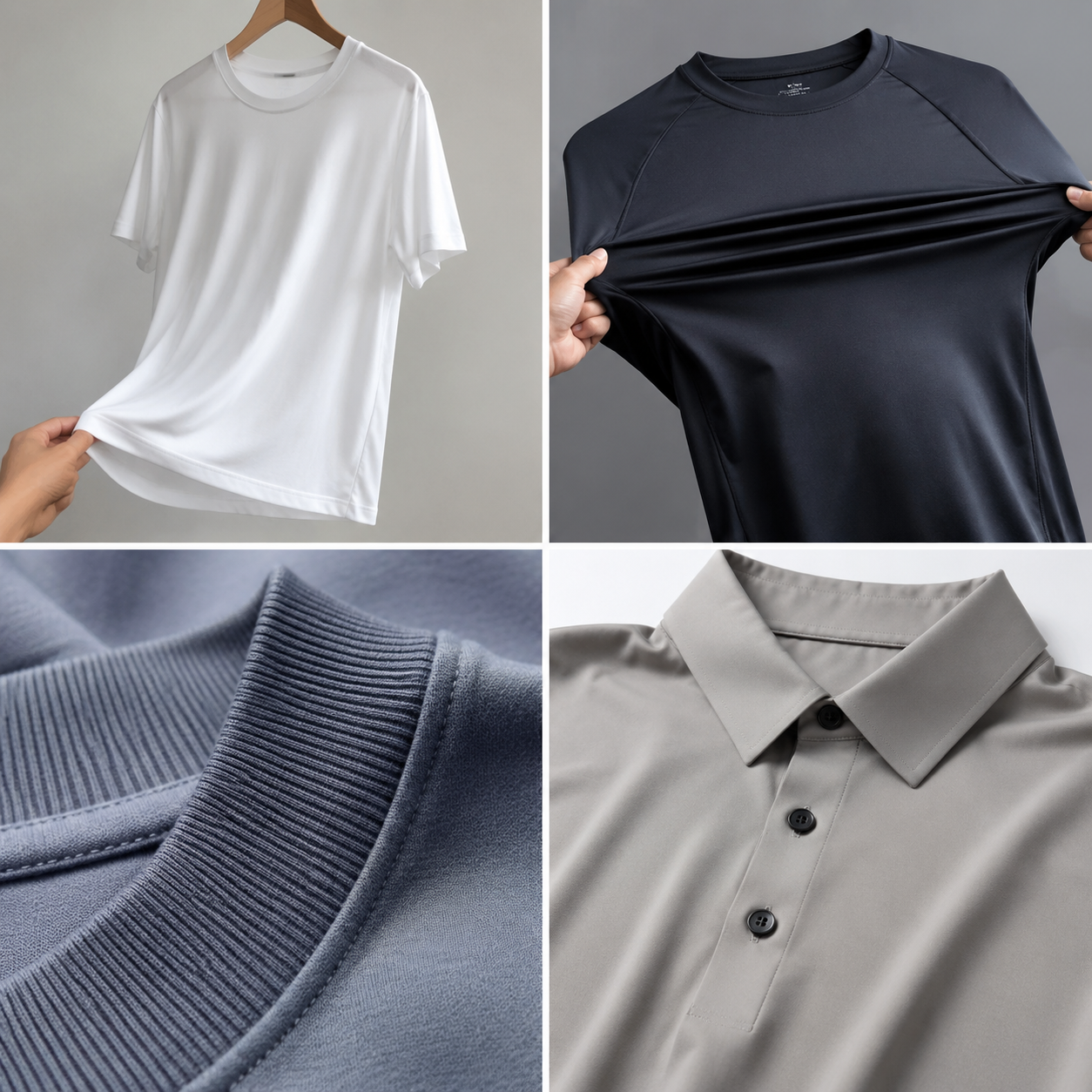
The global shift toward "athleisure" and the casualization of the workplace is no accident. The Advantages of using knit fabrics in apparel are grounded in the functional and physiological needs of the modern human who values both style and comfort.
Enhanced Comfort and Breathability
Because of the looped structure, there is significantly more "open space" between the fibers compared to the tight interlacing of a weave. This makes knits the ultimate Breathable textiles. They allow moisture and heat to escape from the body, keeping the wearer cool in summer. Conversely, the air trapped within the loops can act as a natural insulator, providing warmth in winter without the excessive weight of heavy woven wools.
Superior Drape and Fit
The way a fabric falls and flows over a physical form is known as Fabric drape. Knits have a low "shear stiffness," meaning they naturally follow the three-dimensional contours of the human body. This provides a flattering silhouette without the need for complex tailoring, darts, or rigid seams. It makes the garment feel like a "second skin" rather than a rigid shell.
Resilience and Travel-Friendliness
For frequent travelers or busy professionals, Wrinkle resistance is a critical deciding factor. Knitted items can be compressed in a suitcase or folded in a drawer for days and still be worn immediately upon arrival. The looped fibers have a natural "memory"—they want to return to their original shape, which effectively pushes out any temporary creases.
Specialized Applications: Activewear and Technical Gear
In high-performance environments, such as professional athletics or extreme outdoor exploration, the material requirements become even more stringent. The Best knit fabric for activewear usually involves a sophisticated blend of synthetic microfibers (like polyester or nylon) with high-density spandex to achieve maximum compression and performance.
The Role of Four-way Stretch
In sports like yoga, mountain climbing, or competitive cycling, the fabric must move exactly as the body moves. A Four-way stretch knit is engineered to expand both crosswise and lengthwise simultaneously. More importantly, it must have "high recovery," returning to its original dimensions instantly after being stretched to its limit. This prevents the "bagging" or "sagging" effect often seen in lower-quality materials after a few hours of wear.
Technical Warp Knits in Athletics
The Properties of tricot and raschel warp knits are frequently leveraged by major sports brands in the creation of athletic footwear and high-ventilation jerseys. Because warp knits can be engineered with varying densities in a single piece of fabric, designers can create "mapped" garments—zones of high support and compression combined with zones of extreme breathability and mesh-like openness.
Sourcing and Manufacturing Considerations
Choosing between Weft Knitting and Warp Knitting depends largely on the intended production scale, the complexity of the design, and the desired end-use functionality.
-
For Small-scale Fashion & Bespoke Items: Weft knits like Single Jersey and Rib Knit are highly accessible. They can be produced in smaller batches and are easy to source in a staggering variety of colors, prints, and fiber blends (cotton, bamboo, modal, etc.).
-
For Large-scale Industrial & Technical Use: Warp knitting machines are massive and expensive to set up, but they are incredibly efficient for massive production runs. If you are manufacturing millions of pairs of leggings or high-performance swimwear, the stability and speed of Tricot Fabric production are unmatched.
Fabric Care and Longevity
To maintain the quality of knits, consumers should be aware that their looped structure makes them prone to "pilling" (small fuzz balls) and snagging. Washing knits in a mesh bag and avoiding high-heat drying can significantly extend the life of these comfortable textiles.
Choosing the Right Fabric for Your Needs
In summary, the choice between Knitted Fabric and Woven Fabric defines the very essence of a garment’s performance and feel. For those seeking maximum comfort, dynamic elasticity, and ease of care, knits are the unrivaled champion of the textile world. By understanding the subtle nuances between Single Jersey, Interlock Fabric, and the technical Properties of tricot and raschel warp knits, you can make informed decisions that align with both aesthetic goals and functional requirements.
As the textile industry continues to innovate with 3D knitting and sustainable fiber technology, the boundaries between categories are blurring. Advanced knitting machines can now simulate the structural look of traditional woven materials while retaining the inherent Wrinkle resistance and Breathable textiles qualities that define a knit. Whether you are a novice designer or an experienced sourcer, staying updated on these developments ensures that your projects remain at the cutting edge of modern textile science.
Key Takeaways for Beginners:
-
Identify the Grain with Precision: Mastery of knits starts with recognizing the Wale and Course. Always inspect the vertical columns (wales) to ensure the fabric grain is perfectly aligned before cutting. Misalignment can lead to "torquing," where the side seams of a garment twist toward the front after washing, a common sign of poor quality control.
-
Maximize Mobility with Stretch Factors: When designing for movement, prioritize high-quality Four-way stretch materials. Unlike two-way stretch which only expands widthwise, four-way stretch accommodates complex joint movements in activewear and compression gear. Always verify the "elastic recovery" rate to ensure the garment doesn't lose its shape over time.
-
Strategic Weight Selection: Choosing the right weight is critical for garment functionality. The Characteristics of single jersey knit fabric—being lightweight and having a soft hand—make it the ultimate choice for everyday breathable T-shirts and inner layers. Conversely, the dense, double-layered structure of Interlock Fabric provides the necessary warmth, opacity, and stability for structured apparel like tailored knit blazers and winter base layers.
-
Durability and Security Check: For high-performance apparel or items subject to heavy friction, prioritize warp knits for their "run-proof" industrial security. Understanding the Properties of tricot and raschel warp knits allows you to select fabrics that won't unravel if snagged, making them indispensable for swimwear, intimate apparel, and technical mesh inserts.



.jpg)
