.png)
 English
 Español
Understanding the precise nature of knitted fabric material requires exploring how textile structures are constructed at a microscopic level. Unlike woven textiles that rely on two distinct sets of threads crossing each other at perpendicular right angles, knitted fabric is produced through a continuous series of interlocking yarn loops. This fundamental structural difference gives knitted fabric its characteristic stretch, soft hand feel, high breathability, and natural drape. The interlooping process allows the material to yield under tension while flexing smoothly around three dimensional curves, making it one of the most versatile and essential textile forms in global garment production and technical textile applications.
Fundamental Mechanics and Loop Structures of Knitted Fabric
The unique physical behavior of knitted fabric stems directly from its underlying geometry. The loop is the single structural unit of all knitted textiles, and its shape dictates how the resulting cloth reacts to mechanical stress, thermal movement, and moisture transmission.
The Interlooping System and Structural Elasticity
When a knitting needle draws a fresh strand of yarn through a previously formed loop, it creates a new structural unit called a stitch. Every loop possesses three distinct components, including the head at the top curve, the legs along the sides, and the feet at the base where it links to adjacent loops. Because these loops are curved rather than held in tight linear tension, they act as tiny flexible springs distributed evenly across the entire surface of the fabric.
When tension is applied to a piece of knitted fabric, the individual loops deform and elongate in the direction of the pulling force. The legs of the loops straighten out and slide against neighbor units, allowing the fabric to expand considerably without snapping the individual fibers. Once the external pulling force is released, the intrinsic resilience of the yarn combined with the geometrical memory of the looped design encourages the structure to retract back toward its relaxed equilibrium state. This built in structural elasticity allows knitted fabric to stretch substantially even when manufactured from non stretch fibers like pure cotton or linen.
Courses and Wales in Knitted Textures
To systematically evaluate the density, stability, and geometry of knitted fabric, textile specialists analyze two intersecting orientation axes known as courses and wales. These directional rows function as the fundamental coordinates of knitted construction.
A course represents a continuous horizontal row of loops running across the width of the fabric from edge to edge. The number of courses contained within a measured inch indicates the vertical stitch density of the textile. Conversely, a wale is a continuous vertical column of interlocked loops running parallel to the length of the fabric. The count of wales per inch reflects the horizontal density and is directly controlled by the spacing and needle bed count of the manufacturing equipment. The ratio between courses per inch and wales per inch determines the dimensional balance, stretch distribution, and directional stability of the finished material.
Structural Elastic Recovery and Thermal Retention
The spatial arrangement of interlocking loops creates small air pockets within the interior architecture of knitted fabric. These microscopic voids act as effective thermal barriers, trapping ambient body heat while facilitating natural airflow. The openness of the loop configuration allows body moisture to evaporate and pass through the interstitial spaces between yarns, providing impressive physiological comfort across varying atmospheric conditions.
Furthermore, the mechanical freedom of the loops gives knitted fabric superior elastic recovery compared to flat woven structures. When a woven cloth is pulled, the straight yarns immediately absorb the force until they reach their tensile limit or tear. In a knitted fabric, the yarn loops flex and slide across one another, redistributing mechanical stress over a wide area. This structural freedom minimizes permanent deformation, helping garments retain their original form throughout daily wear cycles.
Main Categories of Knitted Fabric Constructions
Knitted fabric production is broadly divided into two major operational categories based on the direction in which the yarn travels during loop formation. These primary methods are weft knitting and warp knitting, each producing distinct structural characteristics and physical performance profiles.
Weft Knitting Processes and Single Jersey Characteristics
In weft knitting, a single yarn feed travels horizontally across the width of the fabric, forming sequential loops across adjacent needles in a row. This process can be carried out using flatbed machines or continuous high speed circular knitting cylinders.
Single jersey is the most widespread variety of weft knitted fabric. It is constructed using a single bed of needles, creating a clear visual distinction between the front and back surfaces of the material. The technical face displays vertical V shaped loop legs arranged in neat wales, while the technical back presents horizontal crescent shaped loop heads and feet forming a textured purl surface. Single jersey is lightweight, highly flexible, and possesses good crosswise stretch. However, its asymmetric single bed structure gives it a natural tendency to curl at cut edges toward the technical face along the horizontal margins and toward the technical back along the vertical edges. Additionally, if a single loop breaks in a jersey structure, the entire column can unravel downward in a failure known as laddering or running.
Double Knit Variations Including Rib and Interlock Structures
Double knitting utilizes two opposing beds of needles operating simultaneously to construct complex multi layered textiles that resist curling and offer superior dimensional stability.
-
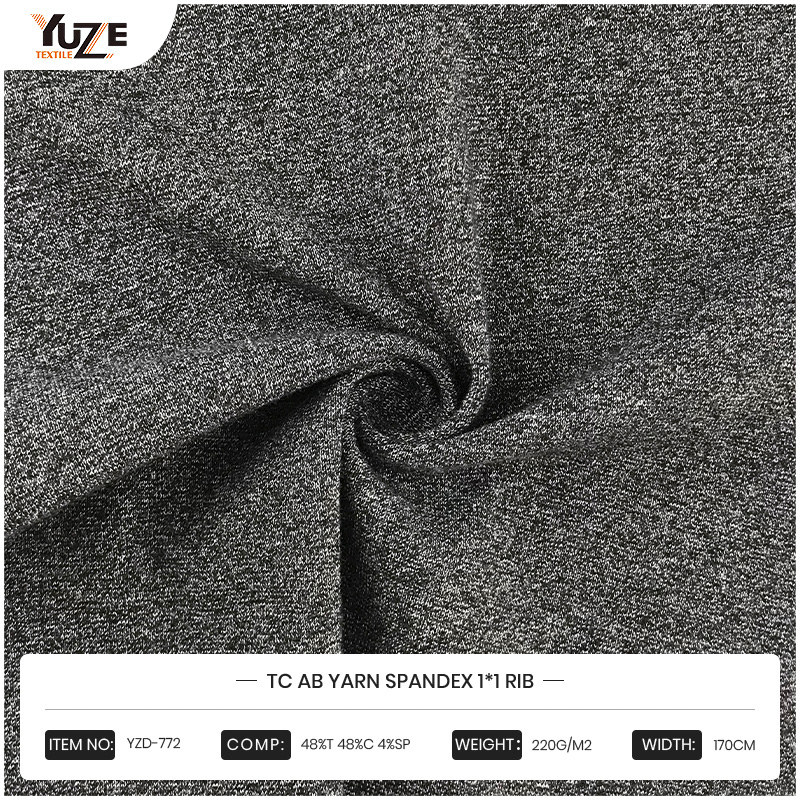
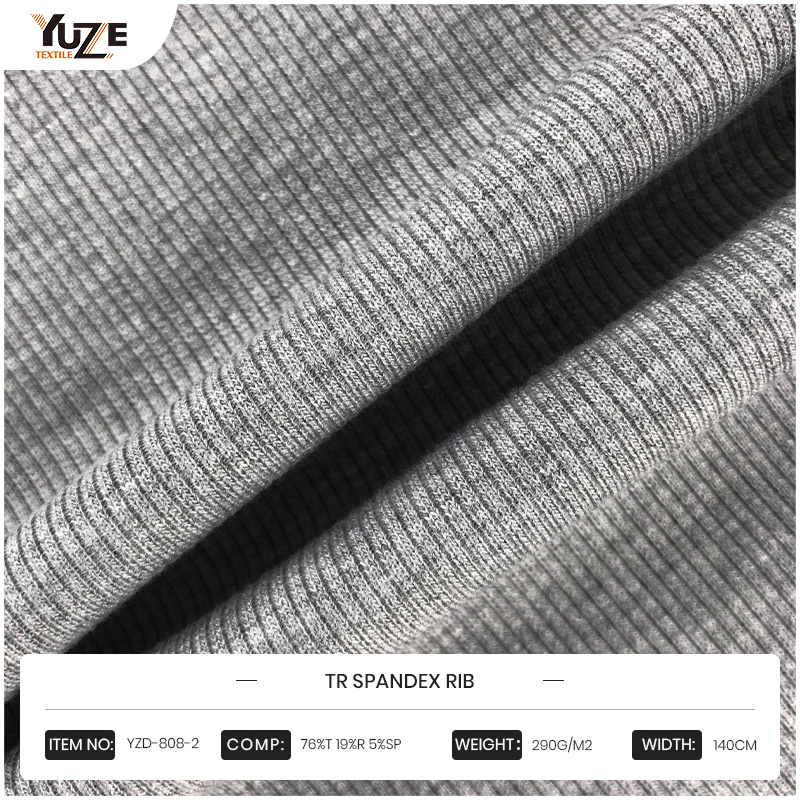
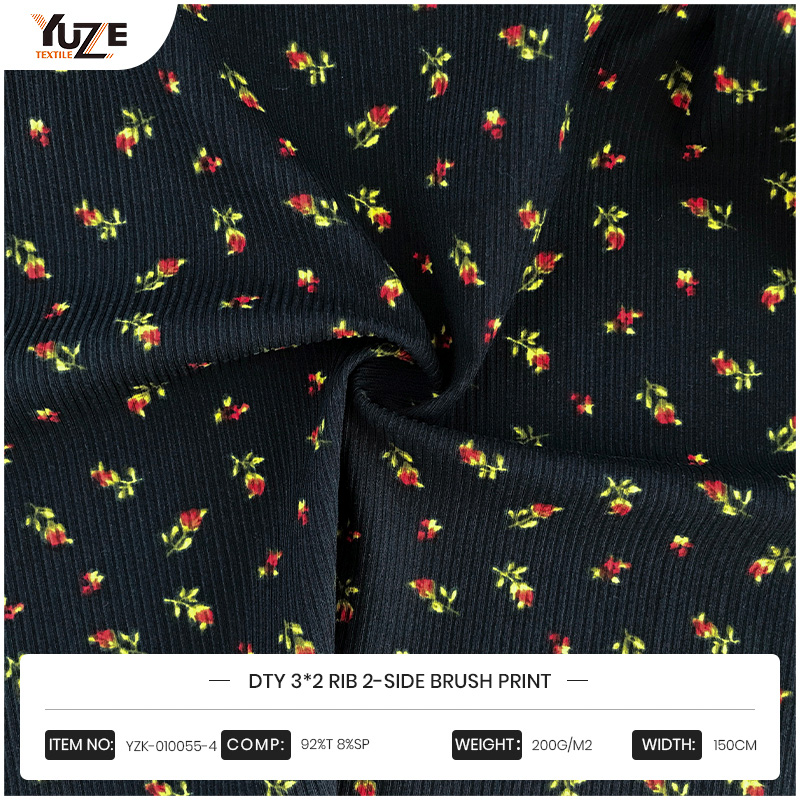
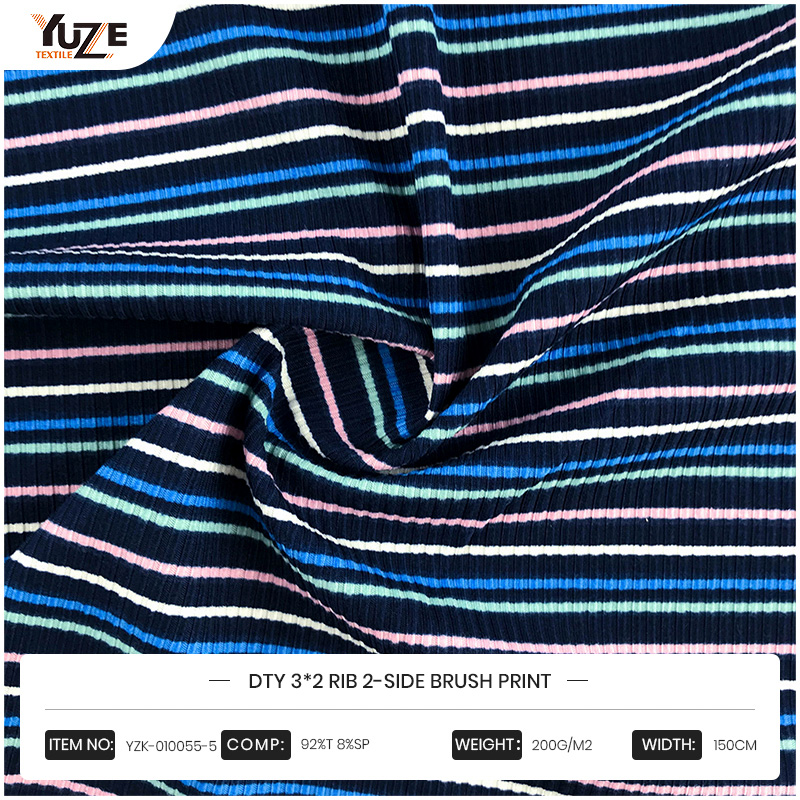
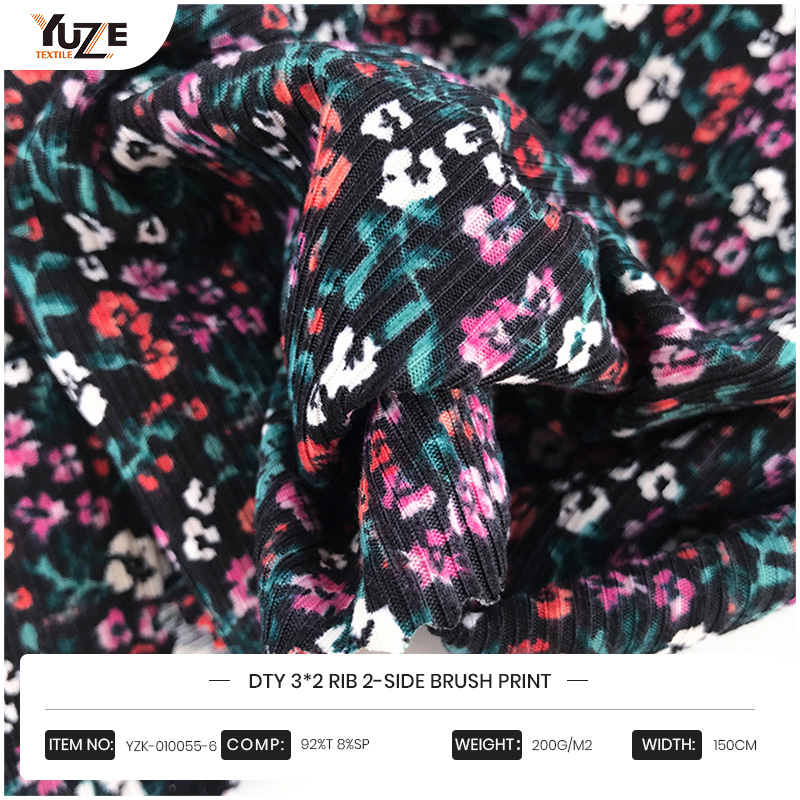
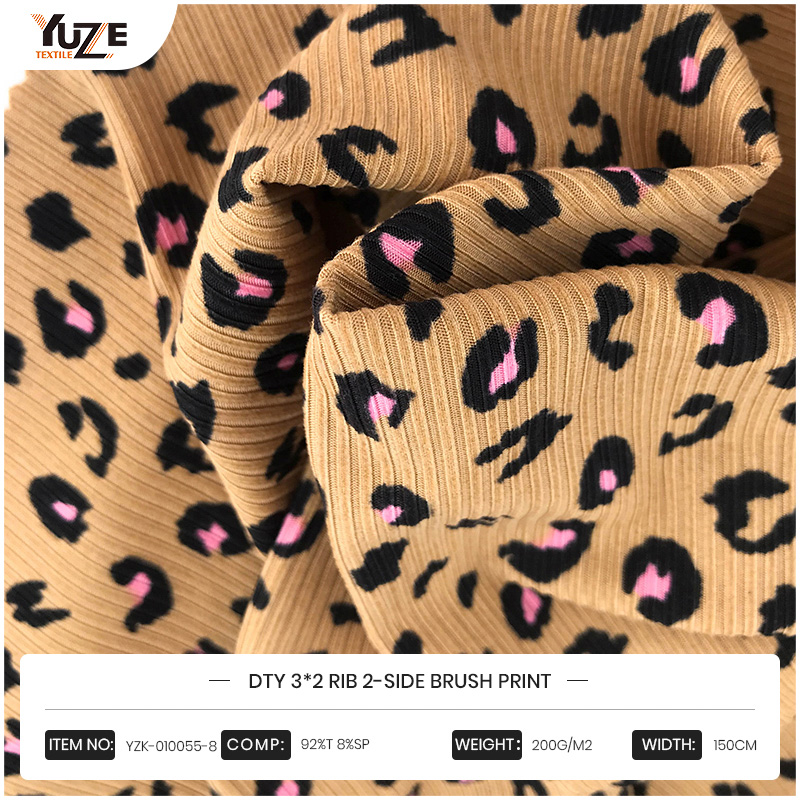
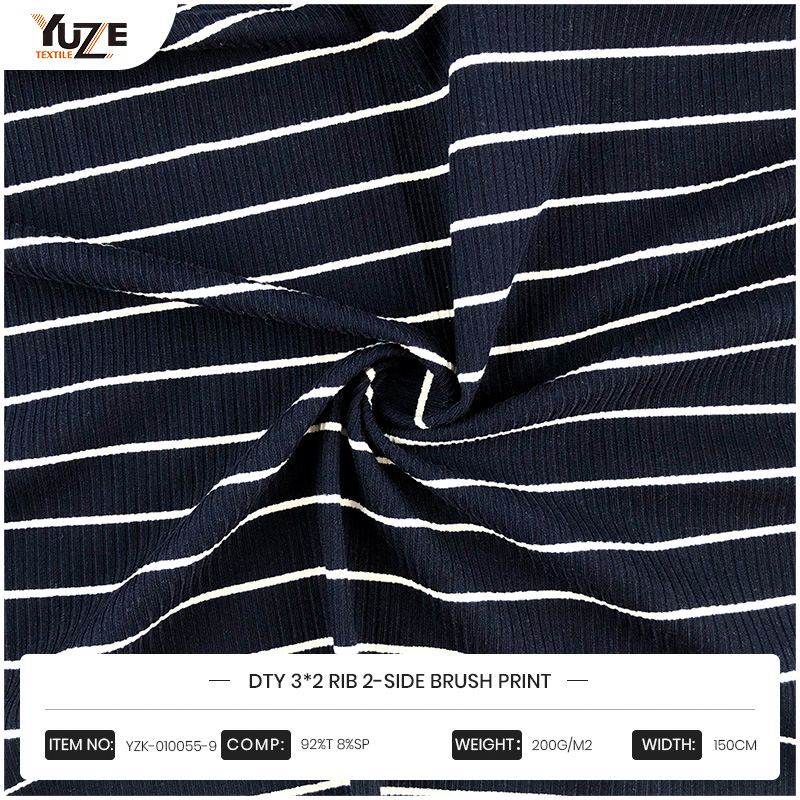
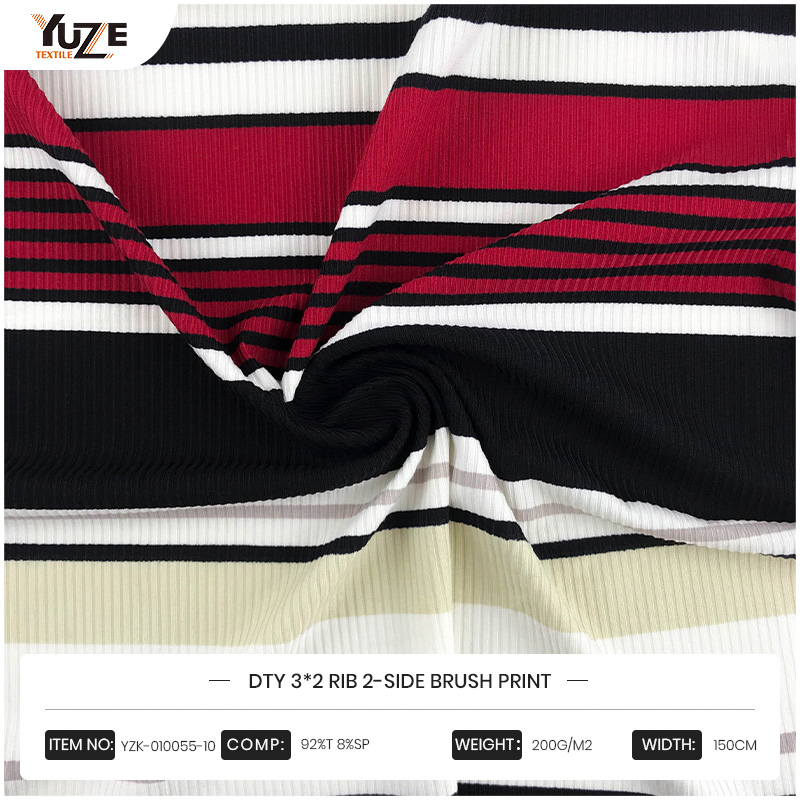
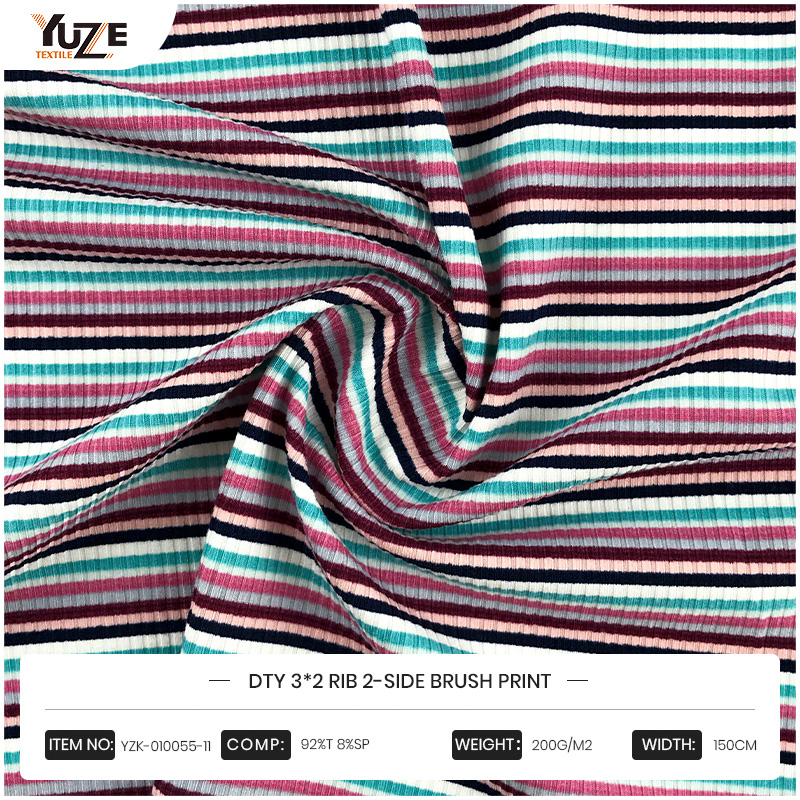
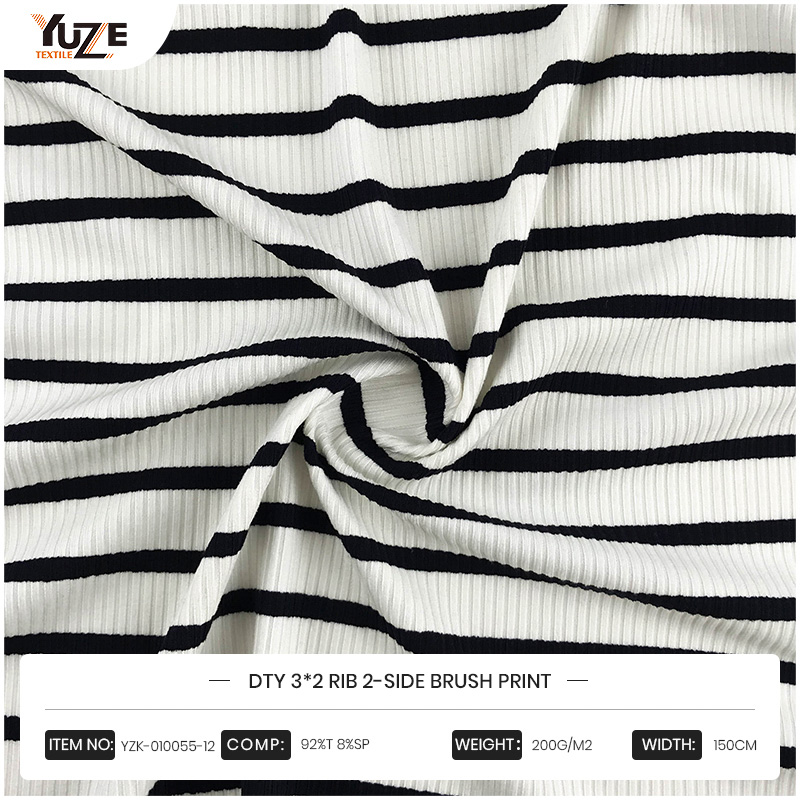
Rib knit structures are produced by alternating face loops and back loops across the same course. This arrangement creates raised vertical ridges on both sides of the fabric. Rib knits offer exceptional lateral stretch and recovery, making them the preferred structural choice for garment cuffs, collars, waistbands, and form fitting athletic tops.
-
Interlock knit fabric is essentially formed by interlocking two individual 1x1 rib structures together back to back. The needles on the double needle beds are positioned directly opposite each other, creating a dense, smooth, and identical appearance on both the front and back faces. Interlock fabric is significantly thicker, firmer, and more opaque than single jersey, with virtually zero tendency to curl at cut edges or run when cut.
-
Purl knit materials are created by alternating courses of face loops and back loops, producing horizontal ridges across the surface. Purl knits feature equal extension capacity in both vertical and horizontal directions, providing high flexibility and soft cushioning suited for infants wear, traditional outerwear, and heavy blankets.
Warp Knitting Mechanics with Tricot and Raschel Fabrics
Warp knitting differs fundamentally from weft knitting because it requires an entire sheet of parallel yarns, known as a warp beam, fed simultaneously into the knitting zone. The yarns travel predominantly in a vertical zigzag pattern down the length of the fabric, with individual needles linking adjacent warp ends together.
Tricot knit fabrics are characterized by a fine, smooth face with fine longitudinal ribs paired with a crosswise zigzag pattern on the reverse side. Tricot machines operate at high manufacturing speeds to produce lightweight, dimensionally stable, and run resistant textiles. Because the loops cross diagonally between adjacent columns, tricot fabric will not ladder or unravel when punctured, making it exceptionally reliable for activewear, performance linings, intimate apparel, and swimwear.
Raschel warp knitting employs specialized guide bars and latch needles capable of handling a wide variety of yarn densities and textures. Raschel machinery can create complex openwork patterns, intricate lace effects, thick dimensional meshes, and plush pile fabrics. Raschel knitted fabric is widely used in technical meshes, high strength net structures, thermal base layers, and decorative lace trims due to its structural stability and resistance to tearing.
Comprehensive Structural Comparison Matrix
The table below outlines the primary mechanical attributes, structural characteristics, and performance traits across major knitted fabric categories alongside traditional woven cloth for comparative context.
|
Structural Category |
Primary Loop Orientation |
Edge Curl Susceptibility |
Ladder Resistance |
Relative Elasticity |
Primary Practical Usage |
|---|---|---|---|---|---|
|
Single Jersey Weft Knit |
Horizontal Continuous Feed |
High Surface Edge Curl |
Low Resistance to Running |
High Lateral, Moderate Vertical |
T-Shirts, Casual Tops, Summer Dresses |
|
Rib Weft Knit |
Alternating Face and Back |
Nil Edge Curl |
Moderate Resistance |
Exceptional Lateral Stretch |
Cuffs, Collars, Form-Fitting Ribbed Tops |
|
Interlock Double Knit |
Interlocked Dual Needles |
Nil Edge Curl |
High Resistance to Running |
Balanced Moderate Stretch |
Polos, Baby Clothes, Structured Athleisure |
|
Tricot Warp Knit |
Vertical Zigzag Warp Sheet |
Very Low Edge Curl |
Exceptional Run Resistance |
High Directional Elasticity |
Swimwear, Lingerie, Performance Linings |
|
Raschel Warp Knit |
Complex Multi-Guide Vertical |
Nil Edge Curl |
Exceptional Run Resistance |
Variable Dependent on Pattern |
Technical Mesh, Thermal Wear, Lace Fabrics |
|
Traditional Woven Textile |
Perpendicular Thread Grid |
Minimal Fraying Instead |
Total Resistance to Running |
Minimal Mechanical Stretch |
Dress Shirts, Denim, Formal Trousers |
Natural and Synthetic Raw Materials Used in Knitted Fabric
The physical characteristics of any knitted fabric are heavily influenced by the chemical nature and structural orientation of its constituent fibers. Combining specific fiber profiles with appropriate loop geometries allows textile engineers to fine tune warmth, moisture management, durability, and surface feel.
Plant Based Fibers and Natural Blend Properties
Cotton remains the most widely processed natural fiber in knitted fabric manufacturing due to its inherent softness, breathability, and non irritating contact with skin. Cotton fibers consist of high purity cellulose, providing substantial moisture absorption capacity and high thermal stability. When knitted into single jersey or interlock structures, cotton yields comfortable daily apparel that allows heat and perspiration to escape easily.
Linen derived from flax fibers can also be blended into knitted structures to add a crisp hand feel and rustic visual slub texture. Linen adds high cool touch properties and rapid drying speed, though pure linen knits can lack elastic recovery if not blended with more elastic fibers like cotton or elastane.
To enhance dimensional stability and reduce shrinkage, natural cellulosic fibers are frequently blended with synthetic polymers. A typical cotton polyester blend combines the absorbent skin comfort of natural cotton with the crease resistance, colorfastness, and tensile strength of polyester.
Protein Fibers for Premium Knitted Wear
Animal protein fibers like wool, cashmere, alpaca, and silk bring luxury tactile qualities and advanced thermal regulating mechanisms to knitted textiles.
Wool fibers possess a complex natural three dimensional crimp structure covered in microscopic overlapping scales. This physical geometry traps massive volumes of stationary air within the yarn matrix, creating superb insulation against cold climates. Furthermore, wool is hygroscopic, meaning it can absorb up to thirty percent of its dry weight in moisture vapor without feeling damp to the touch. When processed into heavy gauge weft knitted sweaters or fine merino base layers, wool provides soft thermal comfort while active, managing humidity build up naturally.
Silk provides high tensile strength alongside a smooth surface luster. Knitted silk fabrics slide effortlessly over the skin, providing temperature regulation in fine gauge cardigans, luxury thermal undergarments, and lightweight scarves.
Synthetic Polymers and High Performance Fibers
Synthetic filament yarns and staple fibers have revolutionized performance oriented knitted fabric design by introducing specialized hydrophobic qualities, extreme durability, and controlled elastic recovery.
-
Polyester is widespread in technical sports apparel due to its high strength, resistance to chemical degradation, and low moisture retention. Polyester fibers can be engineered with non circular cross sections, such as multi lobed channel shapes, that pull liquid sweat away from the skin surface via capillary action, spreading it across the outer fabric face for rapid evaporation.
-
Polyamide, commonly known as nylon, offers exceptional abrasion resistance, high tensile strength, and a smooth tactile touch. Nylon is widely utilized in warp knitted tricots, high performance compression wear, hosiery, and rugged outdoor garments where friction resistance is paramount.
-
Elastane, often referred to by the trade names Lycra or Spandex, is a synthetic block copolymer capable of stretching up to five hundred percent of its relaxed length and snapping back instantly without permanent distortion. Incorporating even tiny quantities of elastane, typically three to eight percent by weight, into a cotton or polyester knitted fabric vastly increases shape memory, eliminates knee or elbow bagging, and provides comfortable form fitting compression.
Distinguishing Knitted Fabric from Woven Textiles
Understanding how knitted fabric compares with woven textiles highlights why specific manufacturing methods are selected for distinct garment categories and industrial products.
Tensile Flexibility and Mechanical Stretch Differences
The most immediate practical difference between knitted fabric and woven cloth is the degree of inherent mechanical extension. Standard woven fabrics are formed by tight interlocking grids of vertical warp and horizontal weft yarns. Because the yarns are pulled straight and flat during weaving, the resulting cloth has minimal structural give along the primary axes unless elastomeric threads are explicitly introduced into the weave.
In contrast, knitted fabric possesses multi directional mechanical flexibility built into its fundamental geometric structure. Even when crafted from rigid, non stretch raw yarns, the looped matrix naturally opens, rotates, and elongates whenever force is applied. This intrinsic flexibility allows knitted garments to expand and compress seamlessly in response to muscle movement, joint articulation, and body posture changes.
Drape Behavior and Body Conforming Attributes
Drape refers to how a fabric hangs, folds, and flows under its own weight when suspended. Woven fabrics tend to possess a stiffer, more structural drape that creates crisp architectural silhouettes, sharp folds, and defined tailored lines ideal for suits, formal jackets, and heavy outerwear.
Knitted fabric exhibits a soft, supple drape that conforms fluidly to complex anatomical contours. The supple nature of interlocked loops allows the textile to fall in smooth, rounded folds without creating harsh stiffness or angular bulk. This body conforming quality makes knitted fabric the ideal choice for bodycon dresses, soft lounge apparel, athletic tights, and base layer garments that need to sit close against the skin without restricting natural movement.
Dimensional Stability and Wrinkle Resistance
While knitted fabric excels in stretch and comfort, woven textiles generally provide higher dimensional stability and structural durability. Woven fabrics hold their fixed shape reliably over extended wear and maintain precise grainlines through repeated laundering cycles without twisting or slanting.
Conversely, knitted fabric offers superior inherent resistance to wrinkling. When a woven garment is folded, compressed, or crumpled, the straight fibers absorb bending stress at sharp angles, creating visible persistent creases that require ironing to remove. When a knitted garment is crushed, the curved loop network easily absorbs and redistributes the displacement stress across thousands of neighboring flexible units. As a result, wrinkles naturally smooth out and disappear shortly after the garment is unfolded or placed on the body.
Primary Applications of Knitted Fabric Across Apparel and Industries
The unique mechanical balance of elasticity, softness, breathability, and structural versatility makes knitted fabric indispensable across diverse sectors ranging from high fashion to technical medical products.
Athletic Wear and Active Life Apparel
The global sports apparel sector relies heavily on high performance knitted fabric to support athletic movement and body temperature regulation.
Warp knitted tricots and specialized double knits dominate the activewear market due to their run resistant nature and multidirectional stretch capabilities. In high intensity applications like cycling shorts, running tights, and athletic jerseys, elastane enhanced knitted fabrics provide targeted muscle containment, reduce mechanical drag, and eliminate chafing through smooth flatlock seams. Furthermore, specialized circular knitting techniques allow manufacturers to produce seamless activewear, strategically varying loop density across a single garment panel to create breathable ventilation zones over high heat body areas while increasing structural density around major muscle groups.
Everyday Casual Wear and Undergarment Production
The daily wardrobe of modern consumers is built largely upon comfortable weft knitted fabric items that demand zero restrictive tailoring.
-
T-shirts, tank tops, and casual dresses are predominantly crafted from soft single jersey cotton blends that provide breathable everyday comfort and low maintenance care.
-
Sweatshirts, hoodies, and sweatpants utilize heavy gauge fleece knits, French terry fabrics, or brushed back jersey. These materials incorporate extra floating yarns on the technical back that are mechanically napped to create a soft, high loft interior layer capable of trapping warm air close to the body.
-
Socks, hosiery, and undergarments depend entirely on the high lateral elasticity of rib knits and fine gauge circular jersey structures. These items must expand significantly to pass over body contours like ankles and hips before snapping back securely to hold their precise position throughout daily movement.
Technical Textiles and Medical Wear Applications
Beyond conventional consumer fashion, engineered knitted fabric plays an increasingly vital role in advanced medical, industrial, and automotive applications.
In the medical sector, circular and warp knitted tubular structures are utilized for graduated compression stockings that improve venous blood circulation in patients. Knitted medical meshes constructed from bio compatible synthetic polymers are implanted during surgical procedures to reinforce weakened tissues or repair abdominal hernias. The open loop matrix of knitted medical meshes allows natural body tissue to grow through the interstitial pores, integrating the synthetic material smoothly into the biological structure over time.
In the automotive industry, warp knitted raschel and tricot fabrics are used for car seat covers, interior headliners, and door panel trims. These technical knits provide high resistance to UV degradation, stand up to continuous mechanical abrasion, and conform smoothly over complex ergonomic seat forms without puckering or sagging.
Essential Maintenance and Care Guidelines for Knitted Garments
Because knitted fabric relies on a delicate intermeshed loop network rather than a rigid fixed weave, improper laundering and storage practices can quickly distort garment geometry, cause unsightly pilling, or ruin structural elasticity.
Washing Protocols to Prevent Snagging and Distortion
Caring for knitted fabric requires minimizing harsh mechanical friction during the washing process to preserve loop integrity and prevent surface fiber damage.
When machine washing knitted items, turning the garments inside out protects the outer technical face from abrasive contact against machine drum walls and hardware like zippers or metal snaps. Placing delicate or lightweight knits inside fine mesh washing bags prevents long loops from catching on other items, avoiding pulled threads and structural distortion. Utilizing gentle or delicate wash cycles with cold or lukewarm water prevents heat sensitive fibers like wool, elastane, and delicate synthetics from shrinking or losing their recovery memory. Mild liquid detergents are preferred over aggressive powdered formulas, as undissolved detergent granules can lodge inside dense loop networks and cause localized fiber degradation.
Drying and Storage Strategies for Shape Retention
The drying phase is critical for maintaining the dimensional stability and correct proportional length of knitted fabric garments.
Knitted garments should never be hung vertically on traditional clothes hangers while thoroughly wet. The immense weight of absorbed water pulling downward on the relaxed loop network will permanently stretch the garment lengthwise, distorting shoulders, elongating sleeves, and narrowing the body width. Instead, excess moisture should be gently pressed out by rolling the freshly washed garment inside a clean dry towel before laying it completely flat on a ventilated drying rack away from direct heat sources or intense sunlight.
For long term storage, folded placement on flat wardrobe shelves or inside drawers is vastly superior to hanging. Hanging heavy knitted garments like sweaters over time causes gravity to slowly pull down on the shoulder loops, leading to permanent shoulder dimples and vertical sagging. Storing folded knits in cool, dry, and well ventilated spaces preserves loop structure, maintains original fit, and ensures long lasting garment performance.



.jpg)
