.png)
 English
 Español
The textile industry relies on a sophisticated array of manufacturing techniques to produce fabrics that meet the diverse demands of modern fashion, activewear, and home furnishings. Among these techniques, knitting stands out as one of the most popular and versatile methods of fabric construction. Unlike woven fabrics that utilize perpendicular systems of warp and weft yarns, knitted fabrics are constructed by interlocking loops of a single continuous thread or a series of yarns. Within this broad category, regular knits and Jacquard Knitted Fabric represent two major pillars of design and performance.
While both fabric styles are created using loops, they differ significantly in their mechanical production, structural stability, and aesthetic capabilities. Choosing the correct knit style is critical for ensuring that a garment performs as intended, holds its shape over time, and delivers the desired level of comfort. By analyzing the physical science of loop manipulation, the behavior of different yarn configurations, and the capabilities of modern knitting machinery, designers and consumers can make informed decisions that match their specific requirements.
Understanding the Fundamentals of Regular Knitted Fabrics
To build a reliable foundation for comparison, it is first necessary to examine how standard regular knitted fabrics are constructed. Regular knits are the workhorses of the apparel industry, providing the essential materials for everyday items such as t shirts, athletic wear, and undergarments.
The Construction of Jersey and Rib Knits
Regular knitted fabrics are typically produced using basic repeating sequences of stitches on a single needle bed or a double needle bed. The most common type of regular knit is single jersey, which is created by having all the needles on a knitting machine work in unison to form loops in a single direction. This process produces a fabric that has a smooth, flat surface on the face, where the vertical columns of stitches are visible, and a textured appearance on the reverse side, which is dominated by horizontal loops. Single jersey is lightweight, highly breathable, and possesses a natural drape, though its edges are prone to curling when cut.
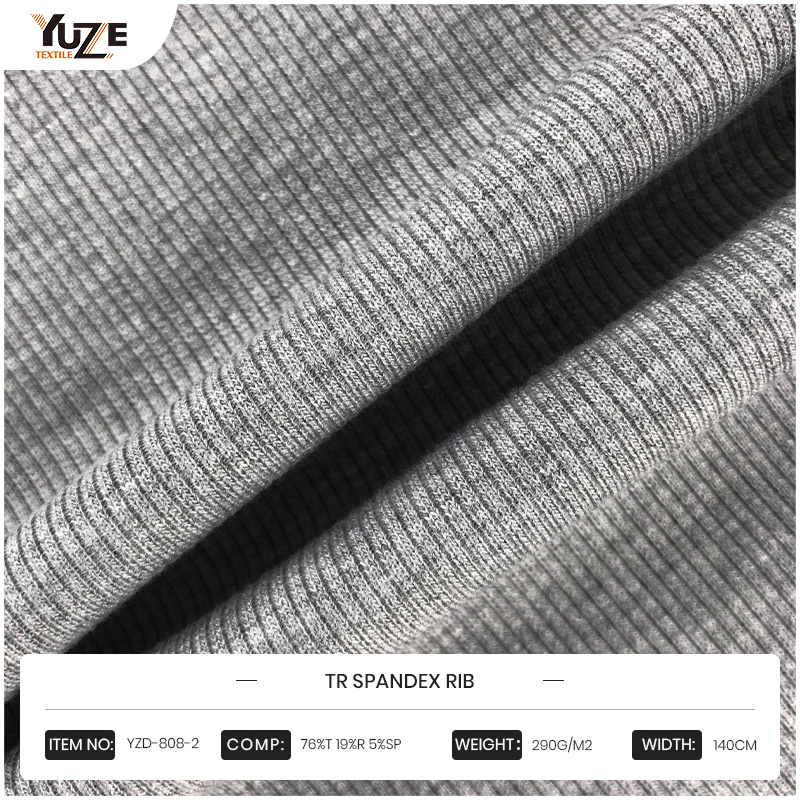
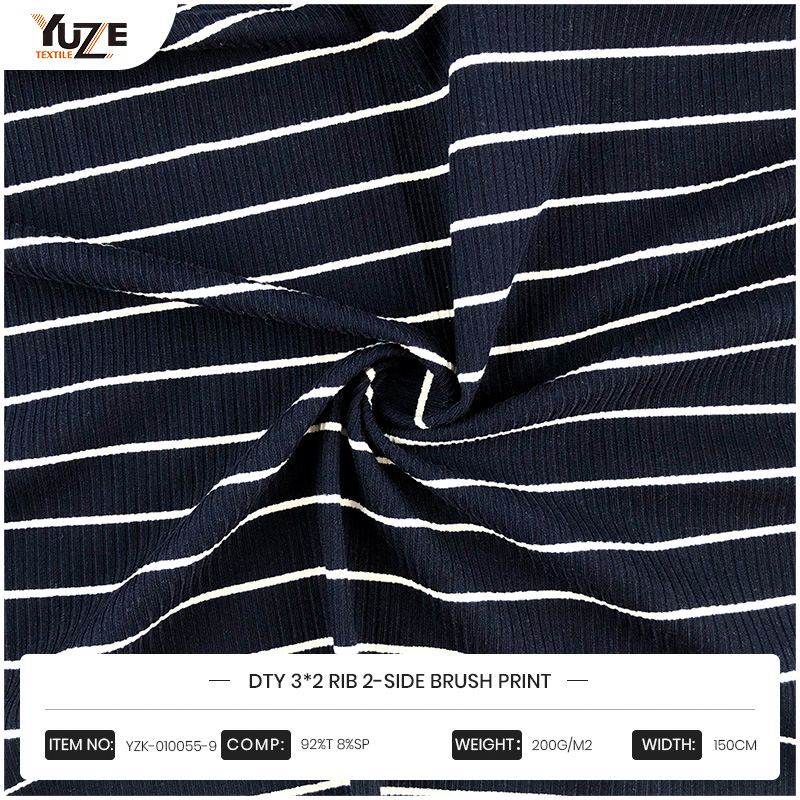
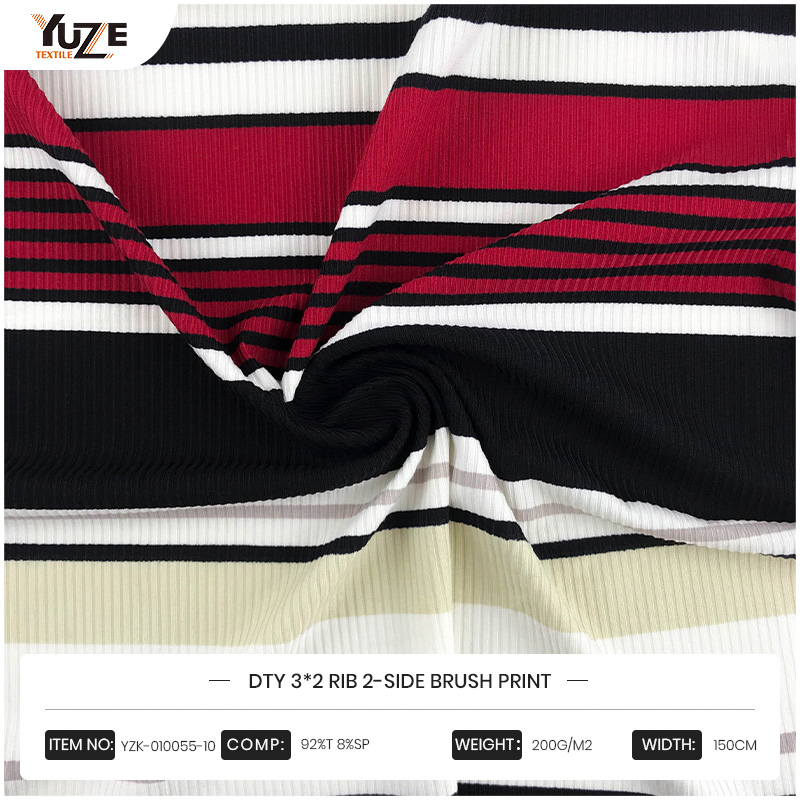
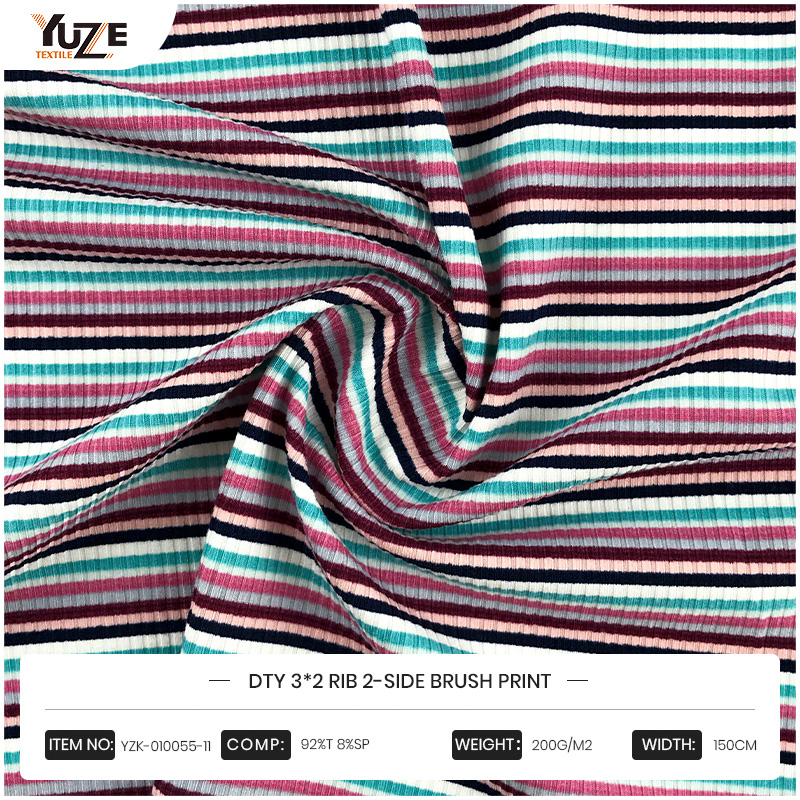
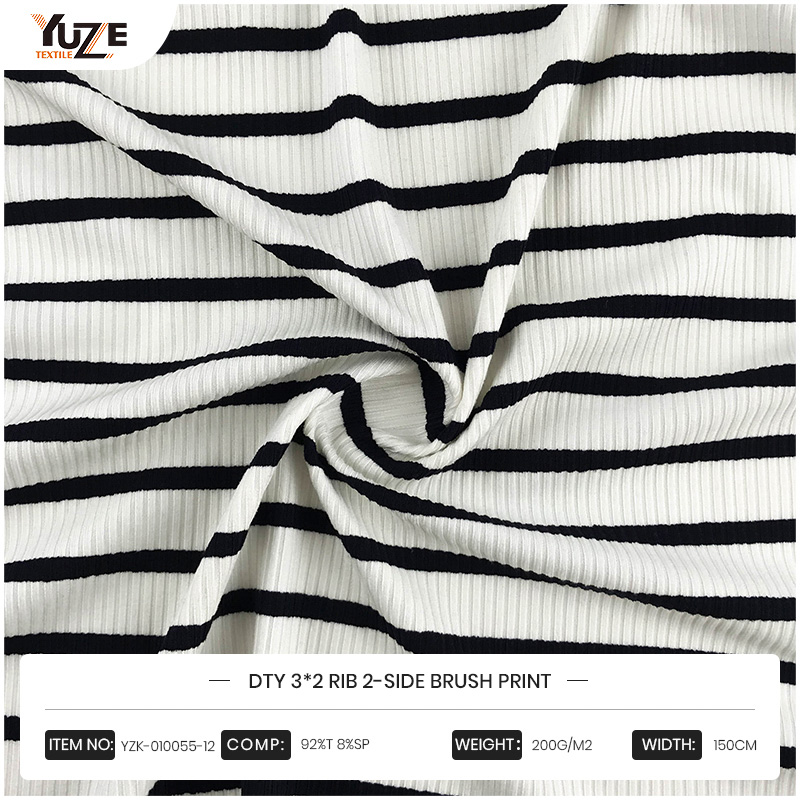
Another major category of regular knit is the rib knit, which is manufactured by alternating columns of knit and purl stitches. This alternation creates vertical ridges on both the front and back of the fabric, resulting in exceptional crosswise elasticity. Rib knits are highly valued for collars, cuffs, and form fitting garments because they can stretch significantly and return to their original dimensions without losing shape. Interlock knit is a double knit variation of the rib structure, where two separate rib structures are knitted together to form a thicker, more stable fabric that is smooth on both sides and resists curling entirely.
Physical Performance and Elasticity of Regular Knits
The defining physical characteristic of regular knitted fabrics is their high level of natural stretch. Because the loop structure is uniform and unrestricted by complex pattern locks, the yarns can slide and adjust easily when tension is applied. This fluidity allows regular knits to conform to the contours of the body and move dynamically with the wearer, making them the standard choice for high performance activewear and comfortable loungewear.
However, this high level of flexibility comes with a trade off in terms of dimensional stability. Regular knits, especially lightweight single jerseys, are susceptible to stretching out of shape over time if subjected to excessive tension or improper laundering. If a single loop in a regular knit is broken or cut, the adjacent loops can easily unravel, leading to runs or ladders that can destroy the integrity of the garment. To prevent this, manufacturers often blend natural fibers like cotton or wool with synthetic elastane fibers to improve the elastic recovery and durability of the finished textile.
The Complex Engineering of Jacquard Knitted Fabric
While regular knits prioritize uniform elasticity and simplicity, Jacquard Knitted Fabric represents a major advancement in structural complexity and design integration. This method of knitting allows manufacturers to build intricate, multicolored patterns directly into the physical matrix of the fabric.
Mechanized Loop Manipulation and Needle Selection
The term Jacquard refers to a specialized control mechanism that allows for the independent movement of individual needles during the knitting process. This technology was originally developed by Joseph Marie Jacquard for weaving looms in the early nineteenth century, but it has since been adapted for high speed electronic knitting machines. In a modern electronic knitting machine, computerized actuators receive instructions from digital design files, raising or lowering specific needles at precise moments during each course.
This independent needle control means that the knitting machine can switch between different colored yarns, create raised textures, or form open lace patterns within a single row of knitting. Instead of printing a decorative pattern onto the surface of a finished fabric using liquid dyes or pigments, a Jacquard Knitted Fabric has its design integrated into the structure itself. This structural integration ensures that the pattern will never fade, crack, or peel off, maintaining its visual clarity and color depth throughout the entire lifespan of the textile.
The Difference Between Single and Double Jacquard Knits
When manufacturing Jacquard Knitted Fabric, designers must choose between single jacquard and double jacquard constructions, which behave very differently in terms of weight and stability. Single jacquard is produced on a single needle bed and is often utilized for lightweight patterned fabrics. When a specific color of yarn is not needed on the face of the fabric to form the pattern, that yarn is allowed to float across the reverse side of the material. These loose floats of unused yarn can be a major disadvantage, as they are highly susceptible to snagging on jewelry, zippers, or rough surfaces during wear and washing.
Double jacquardratr much more robust and stable construction, produced using two needle beds that work in synchronization. In a double jacquard structure, there are no loose floats on the reverse side of the fabric. Instead, any yarn that is not forming the pattern on the face is knitted into the backside weand material, creating a double sided fabric that is flat, smooth, and securely locked on both surfaces. The reverse sidets er double jacquard fabric often exhibits a bird eye pattern sens mirror image of the front design iner has a relatively low melting point compared to natural fibers, and a hot iron can easily scorch the fabric, leaving an unsightly shiny mark or melting a hole directly through the material. Using a damp pressing cloth between the iron and the polyester fabric provides an excellent thermal barrier, distributing the heat gently and ensuring that the garment restores its original, crisp lines without suffering from direct heat damage.
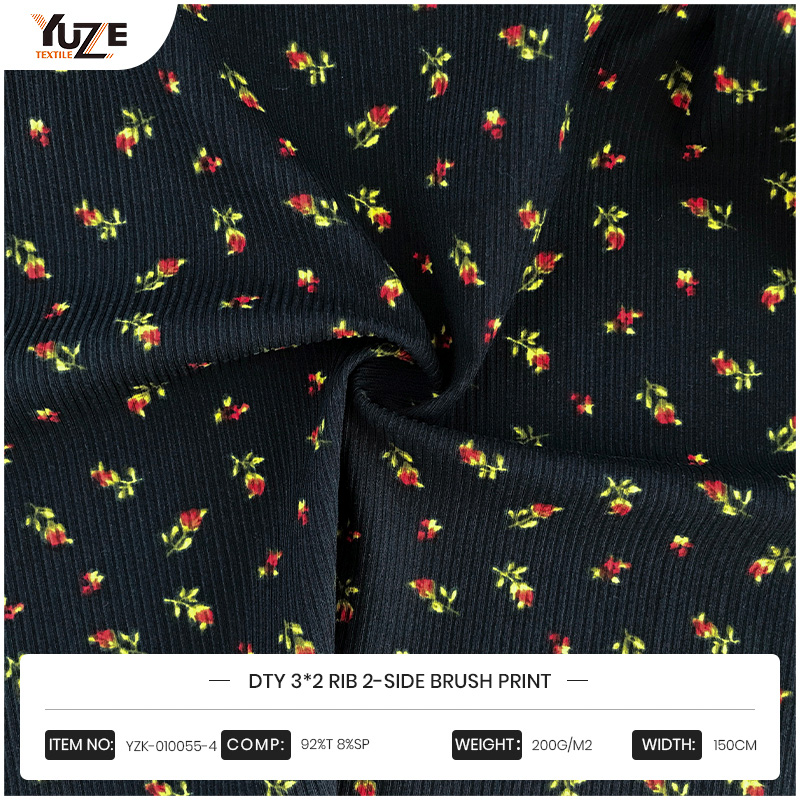
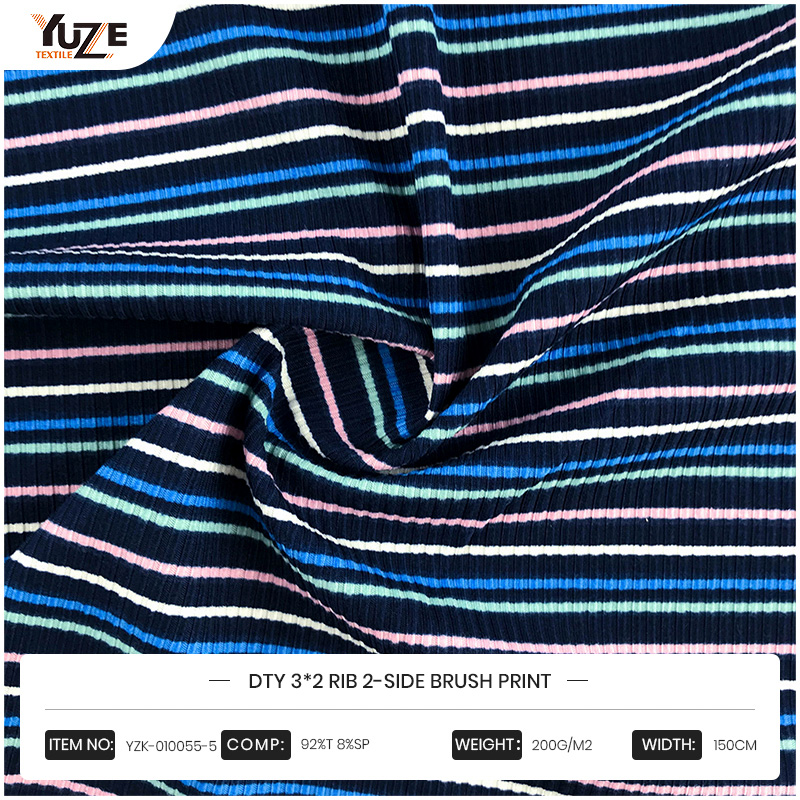
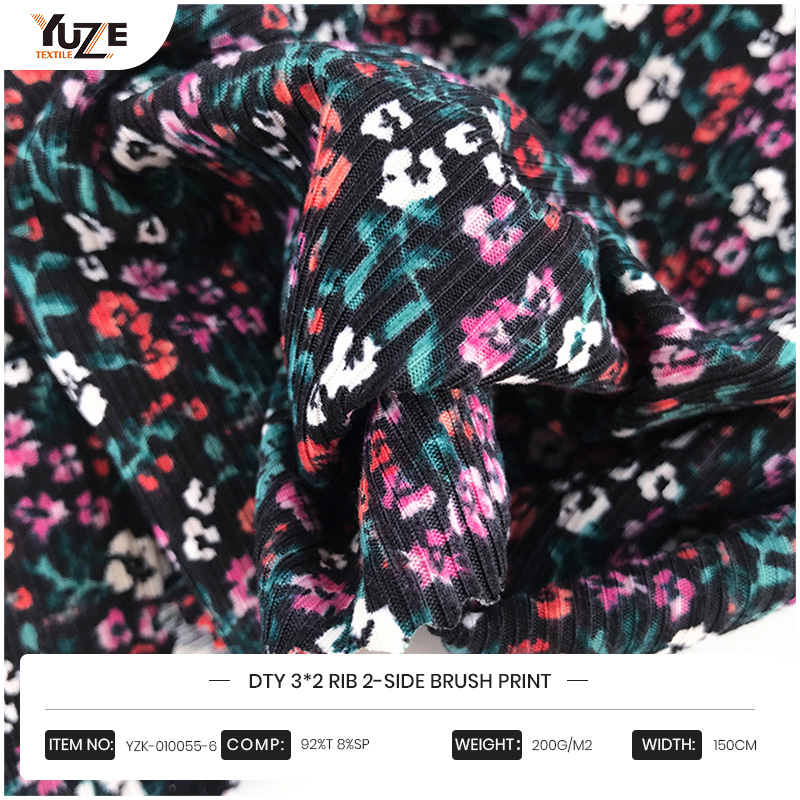
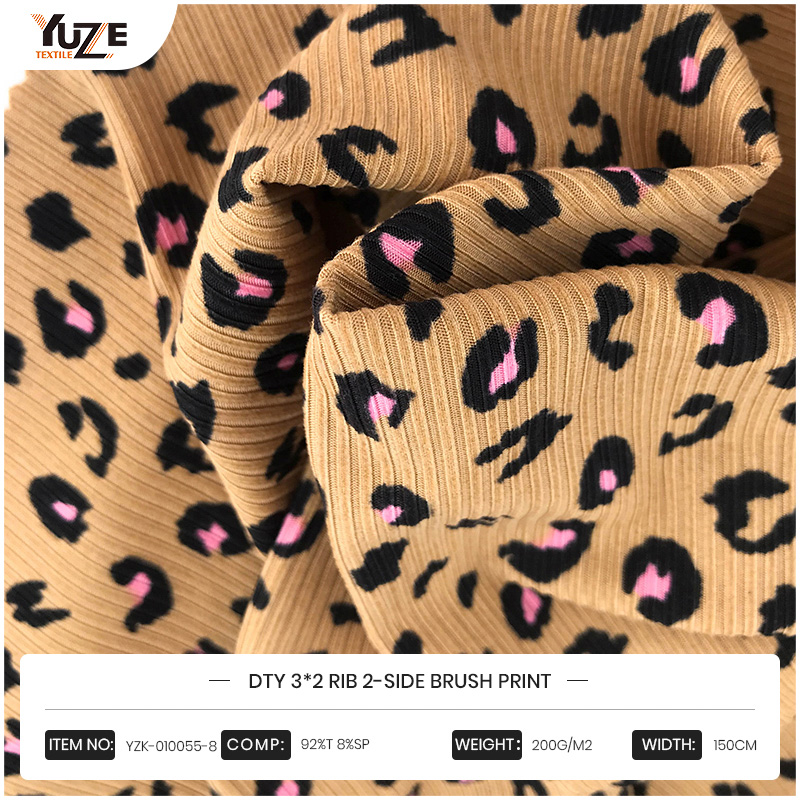



.jpg)
