.png)
 English
 Español
Which Fabric Type Wins for Your Application?
The choice between knit, woven, and non woven fabric is not about a single “best” option but about matching material properties to specific end use requirements. For applications demanding stretch, comfort, and conformability, knitted fabric is the undisputed leader, making up over 55% of all apparel globally. For strength, durability, and a crisp finish, woven fabric remains the gold standard, representing roughly 40% of the textile market. Non woven fabric, while accounting for only about 5% of the total textile volume, dominates in single use or high performance technical applications where cost efficiency and specific barrier properties are paramount. Your selection should be driven by the primary performance metric: stretch, strength, or sterility/cost.
Decoding the Core Structures: How Each Fabric is Made
Knitted Fabric: The Loop Structure
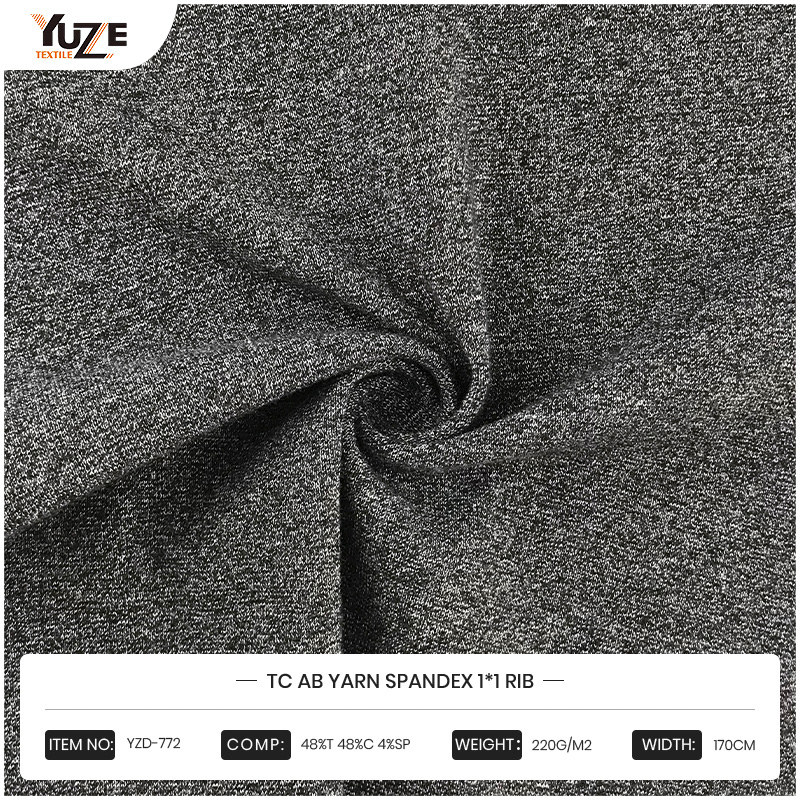
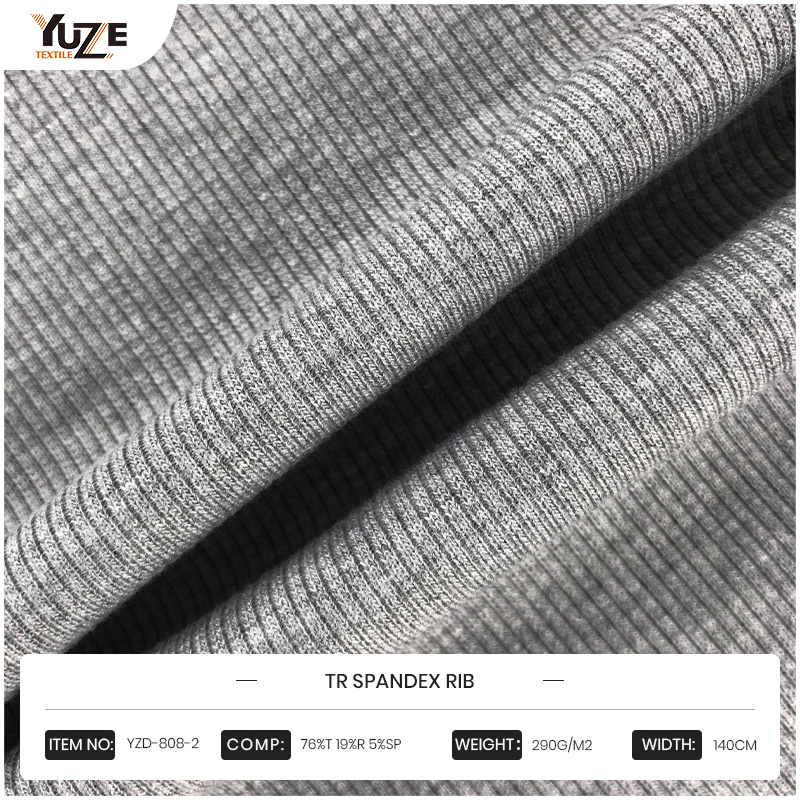
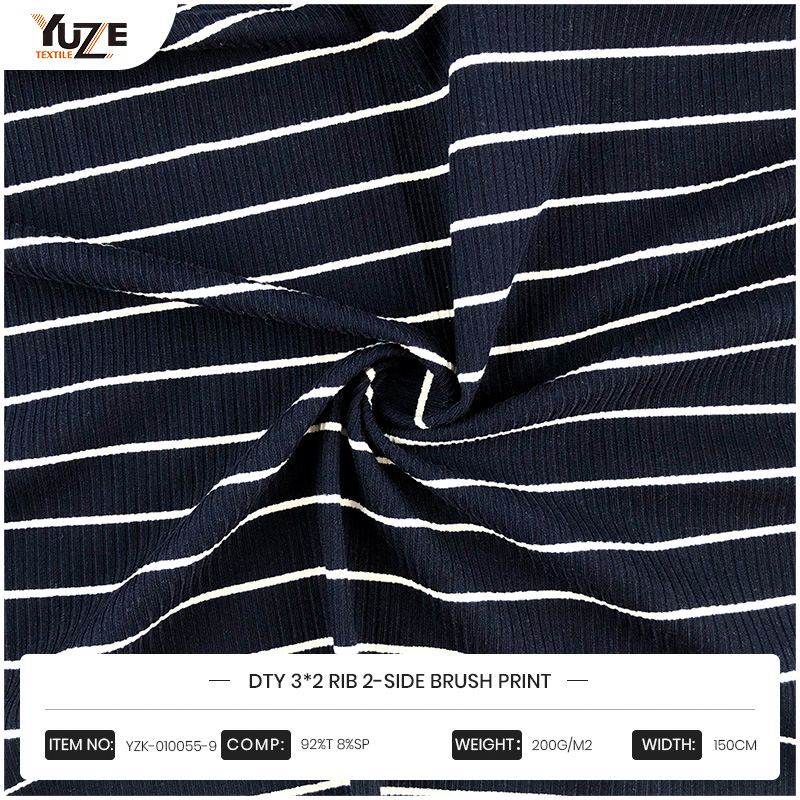
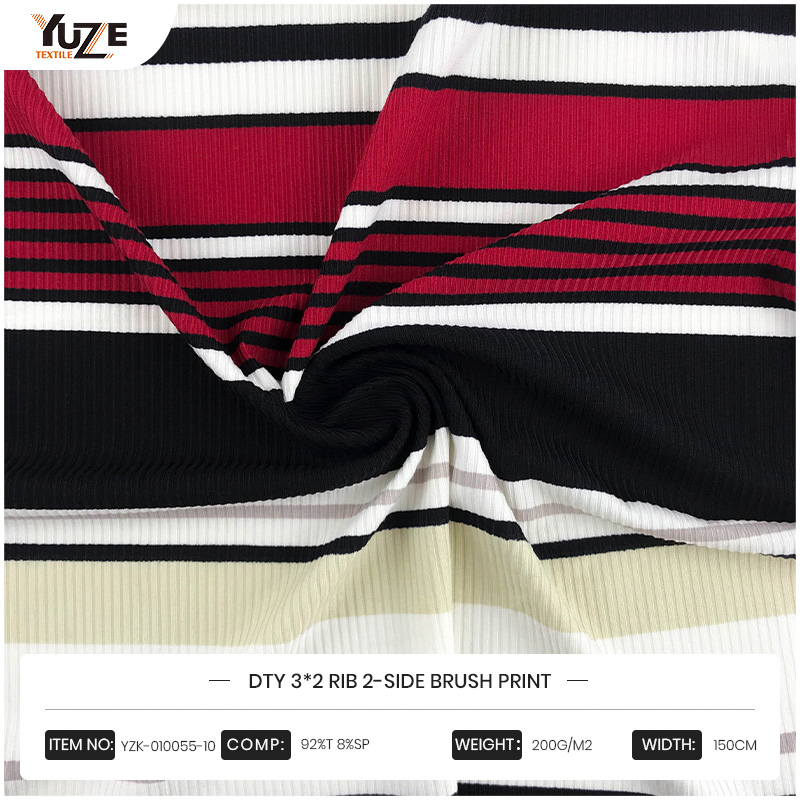
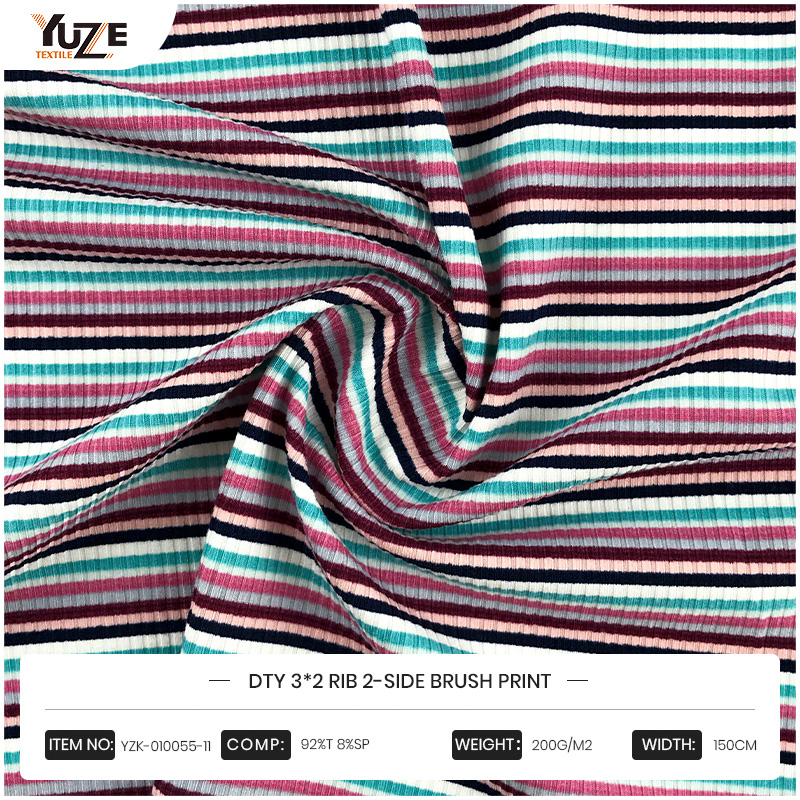
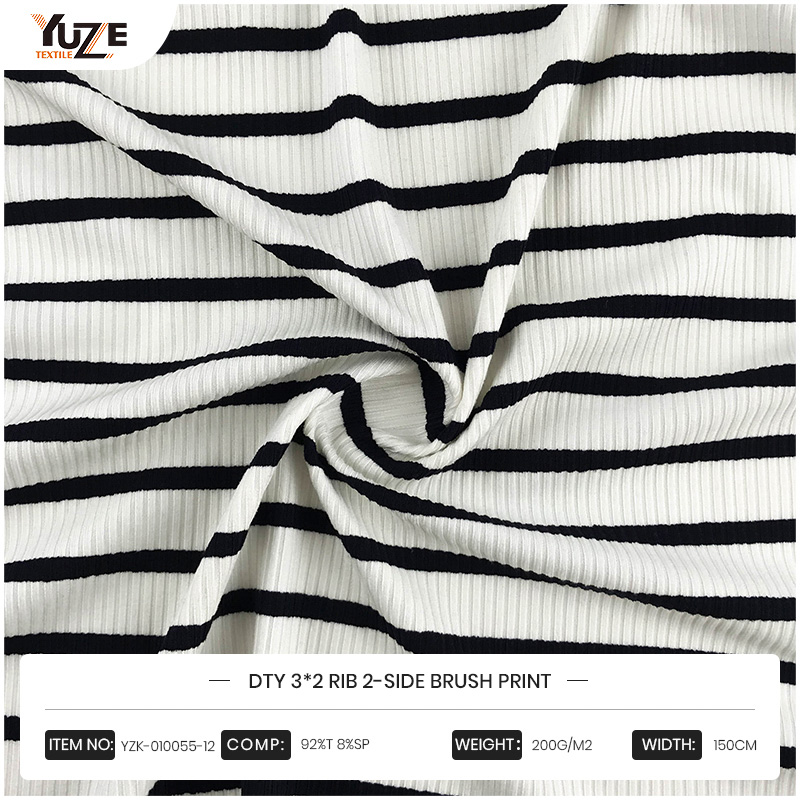
Knitted fabric is constructed from a single continuous yarn that is formed into interlocking loops. This looped structure is the source of its legendary stretch and recovery. There are two primary subcategories: weft knit and warp knit. Weft knitting, used for t shirts and sweaters, involves yarns running horizontally, creating a fabric that stretches easily in both directions. Warp knitting, used for lingerie and technical textiles, involves yarns running vertically, producing a more stable yet still stretchy fabric. The global knit fabric market was valued at over USD 75 billion in 2025, driven by the athleisure trend.
Woven Fabric: The Interlacement Grid
Woven fabric is created by interlacing two distinct sets of yarns at right angles: the warp (lengthwise) and the weft (crosswise). This interlacing creates a stable, grid like structure. The three basic weaves are plain, twill, and satin, each offering different properties. Plain weave is the most common, offering a balanced, durable surface, while twill provides superior drape and satin offers a luxurious, smooth finish. Over 70% of industrial and home furnishing textiles are woven due to their inherent structural integrity.
Non Woven Fabric: The Engineered Web
Non woven fabric is neither knitted nor woven. Instead, it is a web of fibers bonded together through mechanical, chemical, thermal, or solvent means. The process starts with carding or air laying to form a loose web, which is then consolidated. Spunbond and meltblown are the most common production methods, with meltblown being critical for producing fine microfibers essential for filtration. The global non woven market is projected to exceed USD 60 billion by 2028, fueled by the hygiene and medical sectors.
Head to Head Comparison: Property Analysis
To make an informed decision, you must understand how each fabric performs across key metrics. The following data driven comparison reveals the critical differences.
Table 1: Comprehensive Performance Comparison of Knit, Woven, and Non Woven Fabrics| Property | Knitted Fabric | Woven Fabric | Non Woven Fabric |
|---|---|---|---|
| Stretch & Recovery | Excellent (30%-50%+) | Minimal (2%-5%) | Variable (5%-15%) |
| Tensile Strength | Moderate | Highest | Low to Moderate |
| Dimensional Stability | Low | Excellent | Moderate |
| Air Permeability | High | Moderate | Low to High (engineerable) |
| Abrasion Resistance | Good | Excellent | Poor to Good |
| Pilling Resistance | Low | High | Moderate |
| Production Cost | Moderate | High | Lowest |
| Fabric Weight (gsm) | 100-500 | 100-600+ | 10-500+ |
Stretch and Recovery: The Decisive Factor
The fundamental difference lies in the yarn structure. Knitted fabric can stretch up to 50% of its original size due to its loop configuration, making it ideal for activewear, underwear, and fitted garments. In contrast, woven fabric, with its interlaced perpendicular yarns, has limited give, typically only 2% to 5% stretch along the bias (diagonal). Non woven fabrics, depending on fiber orientation, can exhibit some stretch in specific directions but generally lack the recovery of knits. For a sports bra, a knit with high spandex content (10%-20%) is essential to provide compression and support, while a denim jacket woven from cotton provides shape retention without stretch.
Strength and Durability: Woven Wins
When tensile strength and abrasion resistance are critical, woven fabric is the clear choice. The interlacing of yarns creates a robust structure that resists tearing. Cotton canvas woven fabric has a breaking strength of over 200 lbs per square inch, compared to a comparable knit which might break at 80-100 lbs. This is why workwear, tents, and upholstery rely heavily on woven structures. Non woven fabrics, despite advances, have lower tear strength, with most spunbond polypropylene non wovens having a tensile strength of 15-30 N/5cm, making them unsuitable for heavy duty applications.
Air Permeability and Comfort
Knitted fabrics are inherently more breathable. The interconnected loop spaces allow for excellent air circulation and moisture vapor transmission. A cotton jersey knit can have an air permeability of over 200 cm³/cm²/s, making it comfortable for summer wear. Woven fabrics like poplin have lower permeability, around 50-100 cm³/cm²/s. Non woven fabrics, particularly meltblown types, can be engineered for very low permeability, making them ideal for medical gowns and surgical masks where a barrier is required, achieving over 98% bacterial filtration efficiency.
Application Specific Recommendations: Real World Uses
Understanding the theoretical properties is only half the battle. Here is a practical guide to selecting the right fabric for common scenarios.
Apparel and Fashion: The Knit vs Woven Debate
In apparel, the decision is often based on garment silhouette and function. Activewear, athleisure, and sports apparel are 80% to 90% knitted fabrics due to their stretch and wicking properties. Brands like Lululemon and Nike primarily use circular knits and warp knits for their performance lines. Conversely, formal wear, suits, shirts, and tailored pants are overwhelmingly woven fabrics (Oxford, Twill, Satin) because they hold shape and present a crisp, professional appearance. A men's dress shirt is almost exclusively woven broadcloth, as a knit would look casual and lose its structure. The seam slippage in woven fabrics (resistible up to 25 lbs) also ensures that high stress areas like shoulders and armholes do not pull apart.
Home Furnishings: Upholstery and Sheets
For upholstery, woven fabrics are preferred for heavy use furniture due to their high abrasion resistance (over 15,000 double rubs on the Martindale test). However, knit fabrics, especially warp knits like velour, are popular for softer, more plush pieces. For bed sheets, the choice is often between percale (woven) and jersey (knitted). Percale woven sheets are crisp, cool, and durable, while jersey knit sheets are soft, stretchy, and prone to pilling. Non woven fabrics are rarely used in home furnishings except as backing materials or disposable dust covers due to their lack of aesthetic appeal.
Medical and Hygiene: The Domain of Non Woven
This is where non woven fabric truly shines. The healthcare industry relies on non wovens for their cost effectiveness and barrier properties. Over 80% of surgical gowns and masks are made from polypropylene spunbond meltblown spunbond (SMS) non woven fabric. They provide a sterile, disposable barrier against bloodborne pathogens while being breathable. In hygiene products like diapers and feminine care, non wovens are used for the topsheet (to stay dry) and the absorbent core. They offer a combination of softness, fluid management, and low cost that knit and woven fabrics cannot match. For example, a single baby diaper uses a combination of spunbond (for durability) and meltblown (for absorption) non wovens to achieve a liquid strike through time of under 3 seconds.
Industrial and Technical Applications
Woven fabrics dominate industrial applications like geotextiles, conveyor belts, and airbags due to their high tenacity. Nylon 6,6 woven fabric is used in airbags because it can withstand the high pressure of deployment (over 200 psi). Non woven fabrics, particularly needlepunched and thermally bonded types, are widely used as roofing felt, carpet backing, and automotive insulation. They provide excellent sound absorption and thermal insulation at a lower cost. The automotive industry consumes over 4 million tons of non woven fabric annually for interior components like headliners and trunk liners, where their moldability and acoustic properties are valued over strength.
Cost and Production Efficiency Analysis
The economic viability of each fabric type significantly impacts selection. Production speeds, raw material costs, and finishing requirements vary dramatically.
Production Speeds and Costs
Non woven fabrics have the fastest production rates. A modern spunbond line can produce fabric at speeds exceeding 600 meters per minute, making it incredibly cheap for high volume products. The raw material cost for polypropylene non woven is around USD 1.2 to USD 1.5 per kilogram, contributing to its low final product cost. Knitting is the next fastest, with circular knitting machines operating at 40-60 meters per hour. The cost of yarn and the need for lubrication and dyeing add to the expense. Woven fabric is the slowest, with a typical air jet loom producing 400-600 picks per minute, translating to only 8-12 meters per hour. The high capital cost and slower speed make woven fabric the most expensive on a per yard basis for comparable weights.
Dyeing and Finishing Considerations
Dyeing processes vary. Knitted fabric, being absorbent, dyes easily but requires careful handling to prevent distortion. Piece dyeing is common for knits, with a typical cycle taking 4-6 hours. Woven fabrics, especially those with polyester, are often yarn dyed (like denim or oxford shirts), which is more expensive but provides colorfastness and pattern design. Non woven fabrics are primarily colored by pigment dyeing or solution dyeing. Solution dyeing of non woven polypropylene offers excellent lightfastness (rating 7-8 out of 8) and is preferred for outdoor applications. Each dyeing process adds 15% to 30% to the final fabric cost.
Environmental Impact and Sustainability
The ecological footprint is increasingly a deciding factor for consumers and brands. Each fabric type faces unique challenges and opportunities.
Knit and Woven: Natural vs Synthetic
The sustainability of knit and woven fabrics heavily depends on fiber choice. Organic cotton woven fabric has a much lower environmental impact than conventional cotton, using 90% less water and eliminating pesticides. However, the cultivation of cotton still requires significant land. Knitted polyester is made from petrochemicals, contributing to microplastic pollution. Washing a single polyester knit garment releases over 1,900 microfibers per wash, which is a major ecological concern. However, the durability of woven cotton means it lasts longer, potentially offsetting its production impact through extended use (an average lifespan of 5-7 years vs 3-4 years for a knit).
Non Woven Fabric: The Disposable Dilemma
Non woven fabrics are often criticized for their single use nature. Over 90% of non wovens are used in disposable products, with the largest volume ending up in landfills or incinerators. However, significant strides are being made in biodegradability. PLA (polylactic acid) non woven fabric can compost in 60-90 days in industrial facilities, offering a viable alternative to polypropylene. Furthermore, the material efficiency of non wovens is high; they generate less fabric waste during production (typically 5%-8% trim waste) compared to woven (15%-20% waste) due to pattern cutting.
Making the Final Choice: A Decision Framework
To crystallize your decision, use this priority based framework. Rank your requirements from 1 to 5 (5 being most critical).
- If Stretch and Comfort are Priority (Rating 5): Choose Knitted Fabric. It will outperform all others. Example: Yoga pants, T-shirts.
- If Strength and Shape Retention are Critical (Rating 5): Choose Woven Fabric. It is the only choice for tailored garments and heavy duty use. Example: Work shirts, backpacks.
- If Cost and Barrier Properties are Paramount (Rating 5): Choose Non Woven Fabric. It offers unmatched efficiency for single use or filtration. Example: Medical masks, tea bags.
- If Aesthetics and Drape are Needed (Rating 5): Woven fabrics with fine yarns (like silk or high twist cotton) or certain warp knits are options. But generally, woven satin offers superior luster.
- If Warmth and Insulation are Needed (Rating 5): Heavier knits (like fleece) or non woven batting are best. Non wovens are widely used as thermal insulation in jackets.
By scoring your project against these criteria, the correct fabric becomes self evident. There is no one size fits all answer, but there is one optimal answer for your specific need.
Specific Examples in Practice
- For a Summer T-Shirt: A lightweight, combed cotton ring spun knit (160-180 gsm) offers the best blend of breathability, softness, and cost.
- For a Heavy Duty Apron: A woven cotton duck canvas (300-400 gsm) provides the necessary cut resistance and durability.
- For a Surgical Mask: A three layer non woven SMS construction (25-30 gsm per layer) provides the required bacterial filtration and breathability at the lowest cost.
- For an Athleisure Legging: A warp knit nylon spandex blend (250-280 gsm) with over 40% stretch recovery is the industry benchmark.
- For a Tablecloth: A woven polyester or cotton polyester blend offers stain resistance, a smooth surface for printing, and dimensional stability.
Future Trends in Textile Technology
The boundaries between these categories are blurring with innovation. Hybrid fabrics, like weft knitted structures that mimic woven aesthetics or non woven spunlaced fabrics that look and feel like textiles, are emerging. Spunlaced non woven fabric, which uses high pressure water jets to entangle fibers, has seen a 15% annual growth because it offers a soft, drapeable fabric without the cost of knitting or weaving. Additionally, advancements in circular knitting are producing fabrics with zonal compression and engineered stretch, specifically tailored for medical hosiery and sports recovery. The integration of smart textiles, such as conductive yarns woven or knitted into fabrics, is creating new categories where the traditional definitions are less relevant, but the core structural principles still dictate performance.
Conclusion: Synthesizing the Core Message
To conclude, the selection of fabric type is a strategic decision with major implications for product performance, cost, and sustainability. For comfort and stretch, knitted fabric is irreplaceable, constituting over 55% of the apparel market. For durability and structure, woven fabric is the superior choice, dominating in industrial and formal wear segments. For cost efficiency and specialized barrier properties, non woven fabric offers the best solution, with a market share growing at 6% CAGR due to hygiene and medical demands. By analyzing your specific requirements through the lens of stretch, strength, and economics, you can confidently determine which material will drive your product's success. The future lies not in choosing one over the other exclusively, but in intelligently combining these technologies to create hybrid solutions that maximize the strengths of each.
Frequently Asked Questions (FAQ)
- Is non woven fabric better than woven fabric? Not universally. It is better for single use, filtration, and cost, but inferior in durability and strength.
- Can you tell knit vs woven by just looking? Yes. Look for a knit's visible V shaped loops on the surface. Woven has a tight, grid like, interlaced appearance.
- Which fabric type is more breathable, knit or woven? Knitted fabric is generally more breathable due to its porous loop structure, offering higher air permeability.
- Is non woven fabric waterproof? Not inherently. However, it can be laminated or treated to become highly water resistant or waterproof.
- What is the most durable fabric, knit or woven? Woven fabric is significantly more durable and abrasion resistant than knitted fabric.
- Does woven fabric shrink more than knit? Not necessarily. Shrinkage depends on the fiber content (e.g., cotton) and finishing. However, woven is more dimensionally stable.
- Can non woven fabric be washed and reused? Most non wovens are designed for single use. Washing them often degrades the fiber bond, causing them to disintegrate.
- Why are most medical masks made from non woven fabric? Because non woven fabric provides a superior cost effective barrier to bacteria and fluids while remaining breathable.
- What is the cheapest fabric type to produce? Non woven fabric is the cheapest to produce on a large scale due to its high speed, continuous production process.
- Which fabric is better for sensitive skin, knit or non woven? A high quality cotton knit is often best for sensitive skin due to its softness and breathability. Some non wovens can be rough and abrasive.



.jpg)
