.png)
 English
 Español
When a fabric buyer opens a brief for a wrinkle-resistant blouse, a quick-drying sports top, a soft fleece hoodie, and a structured outerwear shell, one polymer tends to appear in all four answers: polyester. It is not a single material in the practical sense but a family of synthetic polymers built around ester bonds, and in the textile world the name is usually shorthand for polyethylene terephthalate (PET) fibre. Because polyester can be spun as fine filament yarn, crimped into bulky staple fibre, microdenier fibre, or combined with spandex and natural fibres, its applications stretch from fashion garments to tyre cord, conveyor belts, and medical textiles. The real question is not whether polyester can do the job, but which form of polyester, which fabric structure, and which finishing route fit the end use.
This article explains what polyesters are used for, why the material behaves the way it does, and what buyers should verify before specifying a polyester fabric. The focus is on textile applications, with practical notes drawn from manufacturing experience in Shaoxing, one of China's main fabric sourcing centres.
Why Polyester Appears in So Many Products
Polyester is best understood as a family of long-chain polymers containing ester groups in their repeating units. The two commercial textile polyesters you will encounter most often are PET and poly-1,4-cyclohexylene dimethylene terephthalate (PCDT). PET is the workhorse: it is used in clothing, home textiles, bottles, films, and industrial fabrics. PCDT is less common but has better resilience and a softer hand, which makes it attractive for faux suede, heavy-duty apparel, and some carpet applications. In the market, however, the word "polyester" almost always means PET.
For a fabric manufacturer, the most useful property of polyester is its thermoplastic behaviour. When the fibre is heated, it can be shaped, textured, or heat-set so that yarns stay in place after washing. This is why polyester pleats hold, why knit collars keep their shape, and why a polyester woven fabric can be made crease-resistant without a chemical finish. The polymer chains can also be stretched and recovered at a molecular level, which gives polyester good elasticity and strength even when used in fine filaments.
Polyester also has a low moisture regain. A standard PET fibre absorbs only about 0.4 percent of its weight in moisture, compared with cotton's roughly 8 percent at standard conditions. Fabrics made from polyester dry quickly and are often selected for rainwear, sportswear, swimwear, and anything that will be washed and worn frequently. The same low absorbency, however, makes polyester less comfortable next to the skin when worn alone in hot, humid conditions, which is why mills blend it with cotton, rayon, Tencel, modal, or spandex.
The manufacturing flexibility of polyester is just as important as its physical properties. It can be extruded as smooth flat filament yarns for satin and taffeta, false-twist textured yarns for knitwear, spun staple yarns that mimic cotton, or microfibres with a soft peach-skin hand. It can be dyed deep shades with disperse dyes, printed with heat-transfer ink, brushed into fleece, sheared, bonded, embossed, flocked, and laminated. No other fibre in the mid-priced apparel range offers the same combination of strength, low cost, and processability, which is why polyester accounts for more than half of global textile fibre production.
Polyester in Clothing and Fashion
Clothing is the largest single market for polyester fibre. The material appears in nearly every category of garments, but the fabric structure matters more than the fibre name. A buyer asking for a polyester fabric for summer dresses is not looking for the same polyester as a buyer asking for a winter sweatshirt fabric, even though both may be 100 percent PET.
Dresses, Blouses, and Light Wovens
In women's fashion, polyester wovens are widely used for blouses, dresses, skirts, linings, and scarves. A classic case is a light polyester chiffon fabric: it is lightweight, semi-transparent, fluid, and able to hold its crinkle or crepe texture after washing. Chiffon and georgette are made from highly twisted yarns, which give them a dry, sandy hand. The same family includes satin, crepe de chine, organza, taffeta, and many printed styles used in fast-fashion and seasonal collections.
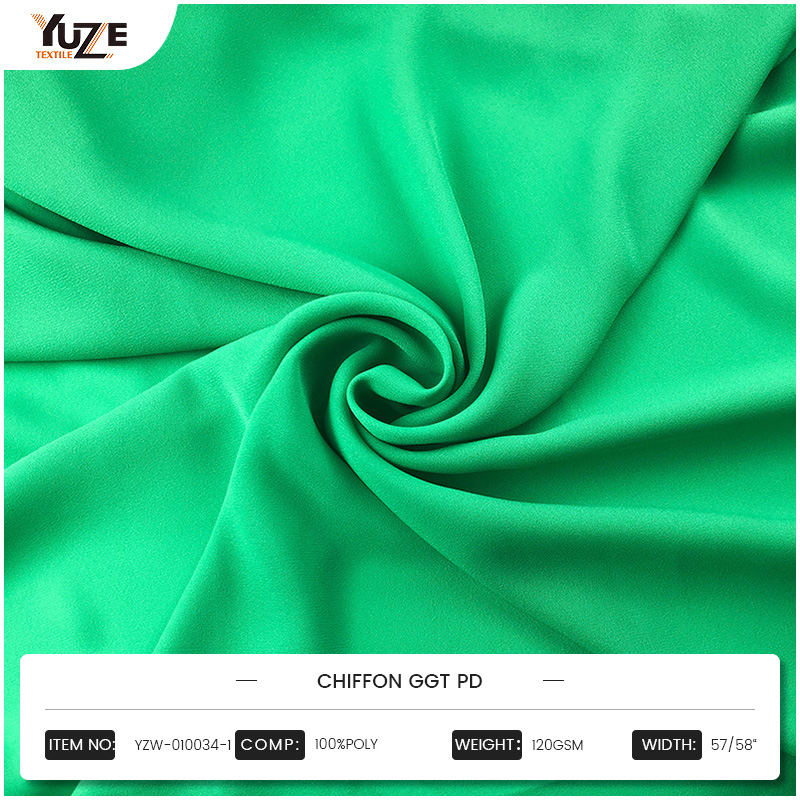 Custom YZW-010034-1 CHIFFON GGT PD-Polyester Woven Fabric Suppliers, Factory - SHAOXING YUZE TEXTILE CO., LTD is China YZW-010034-1 CHIFFON GGT PD-Polyester Woven fabric suppliers and factory, - CHIFFON GGT PD -ITEM ...View Product →
Why polyester instead of rayon or silk for these silhouettes? Polyester holds colour well with disperse dyes, resists shrinking, does not stretch out of shape as easily as rayon when wet, and can be engineered to maintain a crisp or fluid drape. Some polyester wovens are blended with elastane, while others are made with high-twist yarns to create a natural-looking crinkle. The result is a garment that can be packed into a suitcase, worn all day, and hung up without visible creases. This explains why so many affordable dresses, skirts, and blouses list polyester as the main fibre.
Knitwear and Seasonal Layers
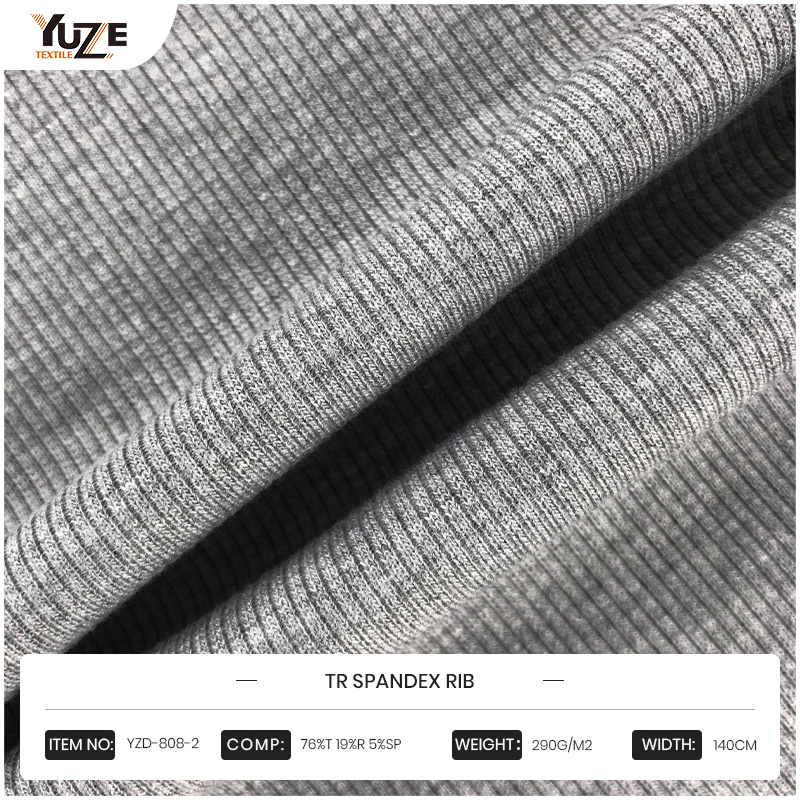
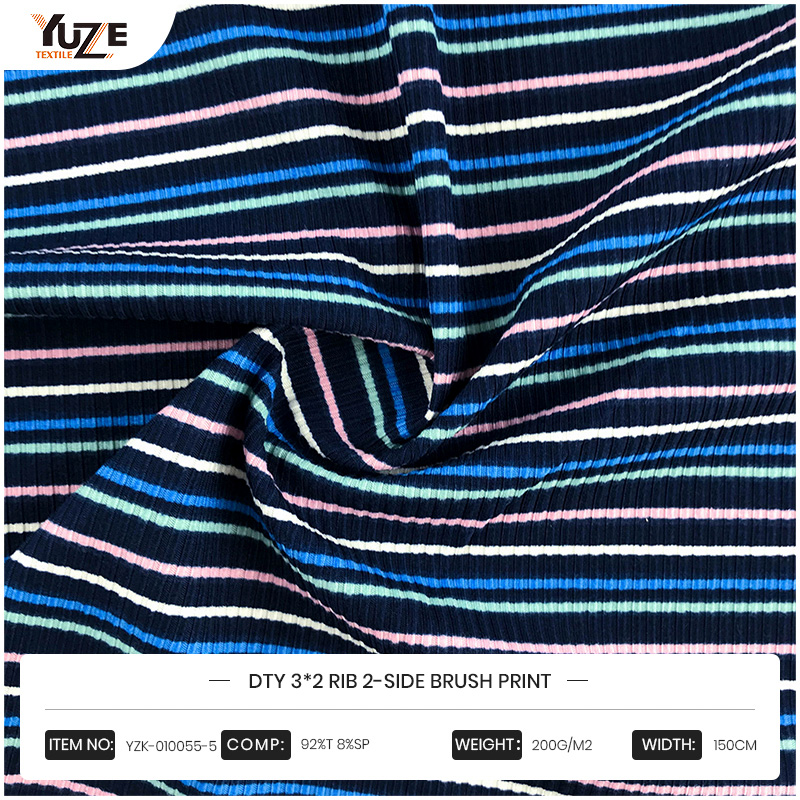
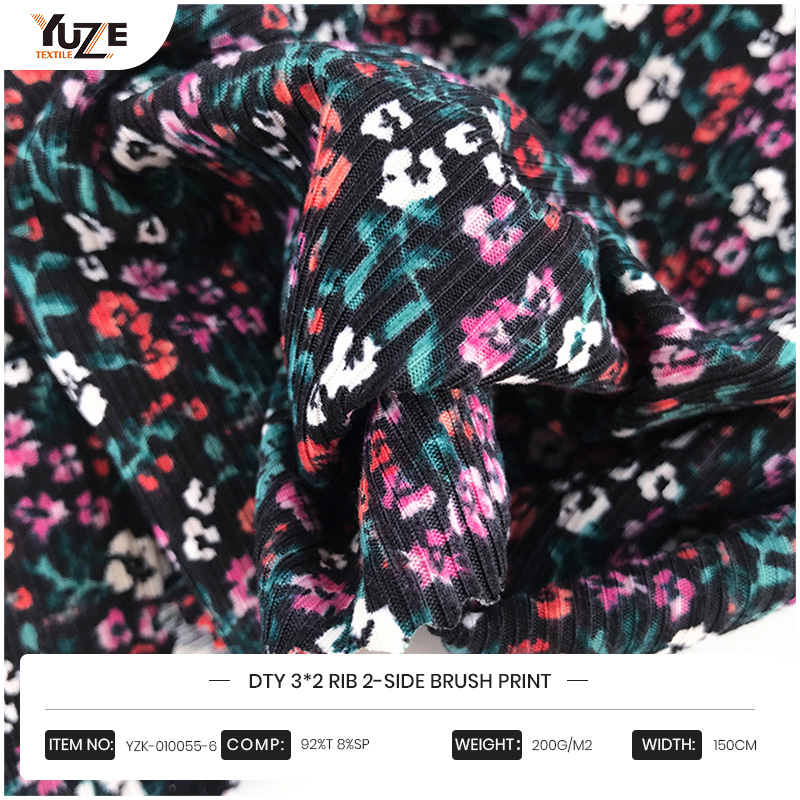
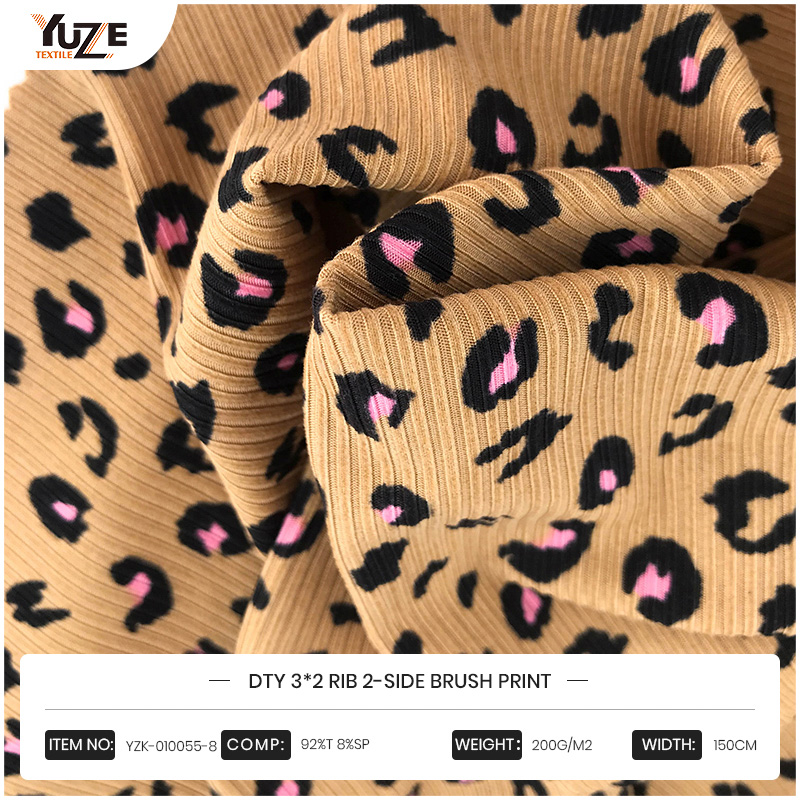
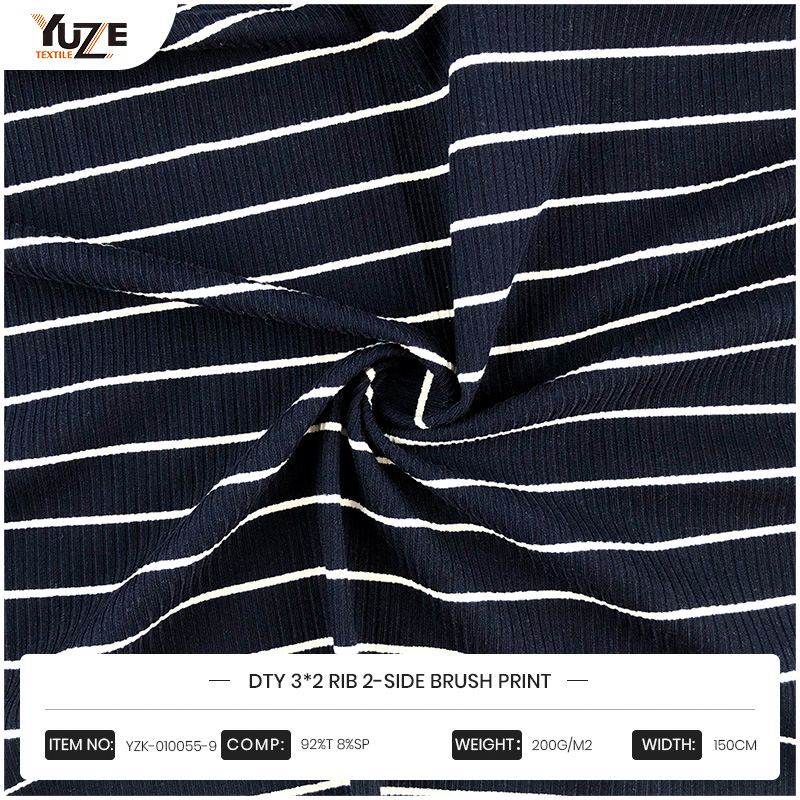
Polyester is also a major fibre in knitted fabrics. Single jersey, rib, French terry, fleece, and hacci are all built on knitting machines, and polyester versions are common across seasons. A lightweight single jersey with polyester and spandex is used for t-shirts, dresses, and fitted tops because it recovers quickly and holds its shape. Heavier knits such as brushed fleece and French terry are used for sweatshirts, hoodies, joggers, and loungewear. These fabrics are warm without being heavy, and the brushed surface adds softness that consumers expect from casual wear.
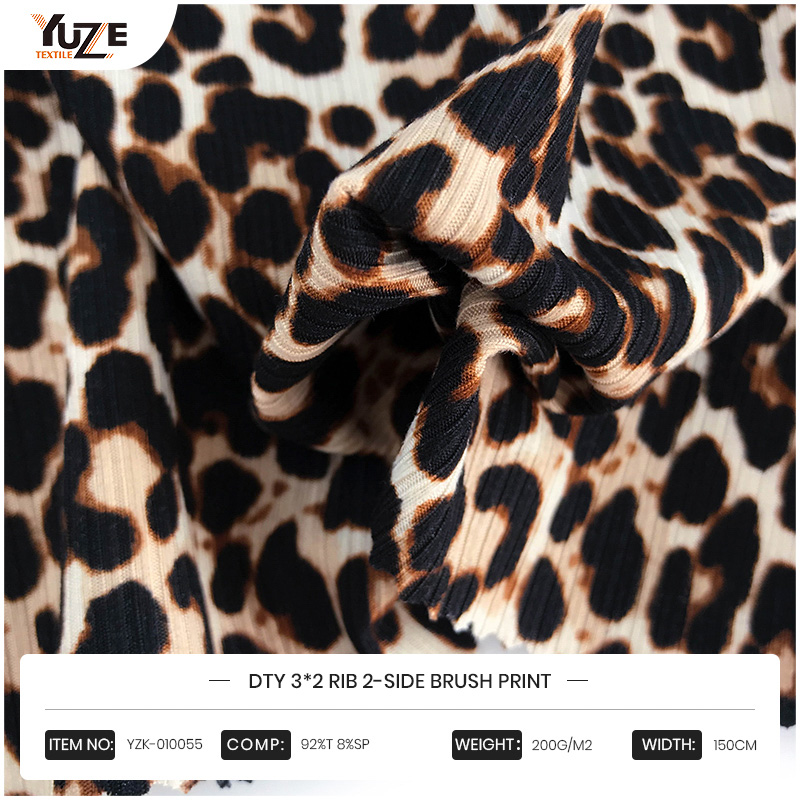
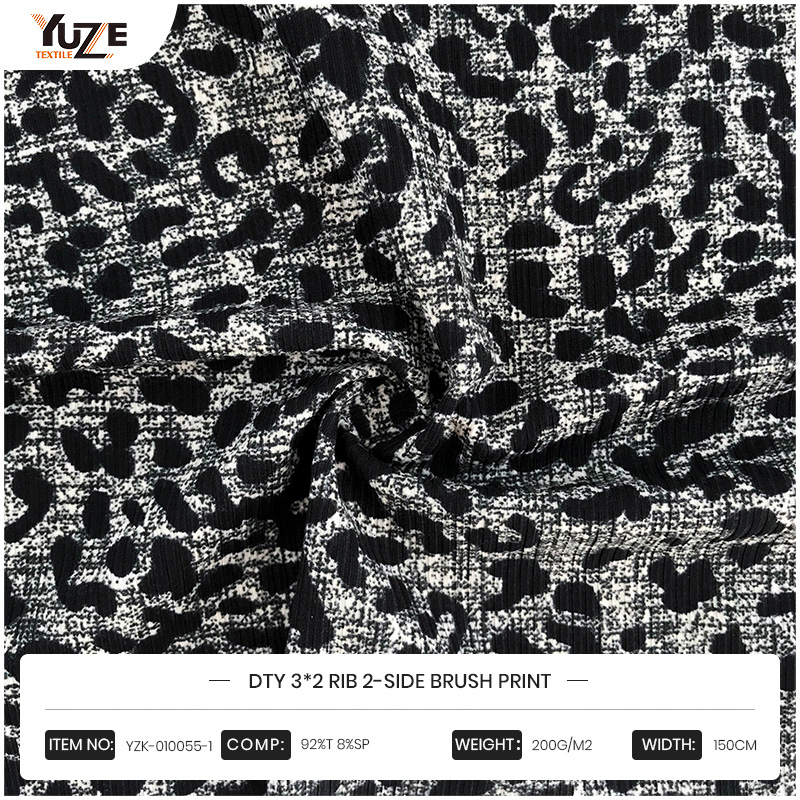
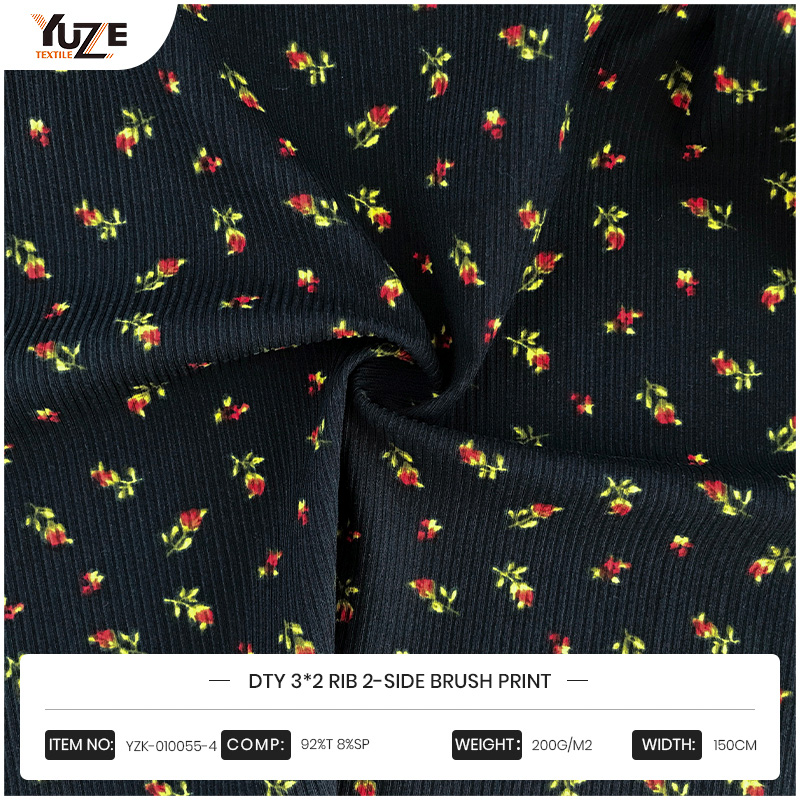
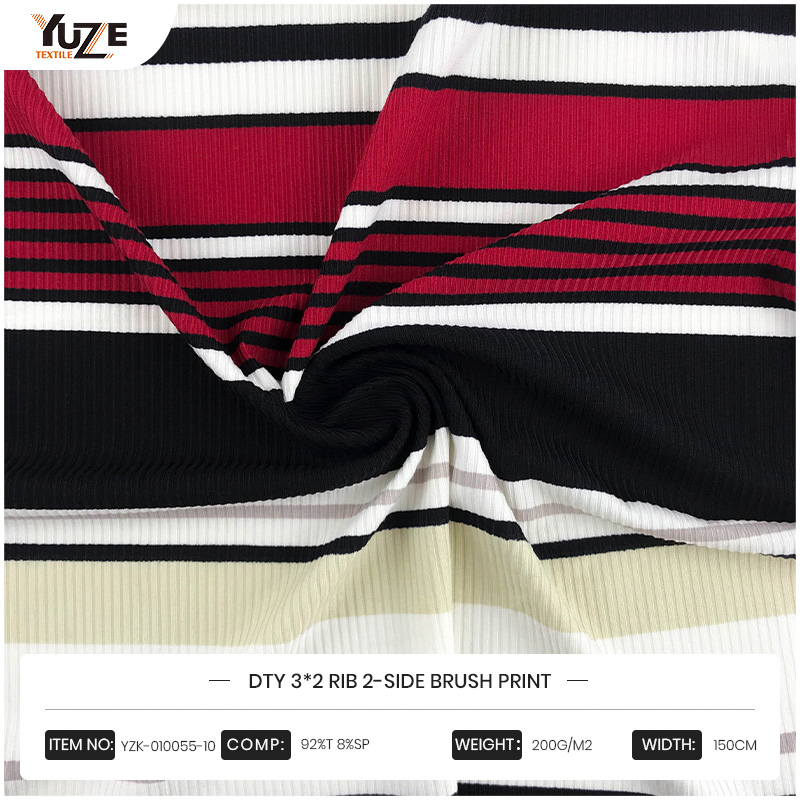
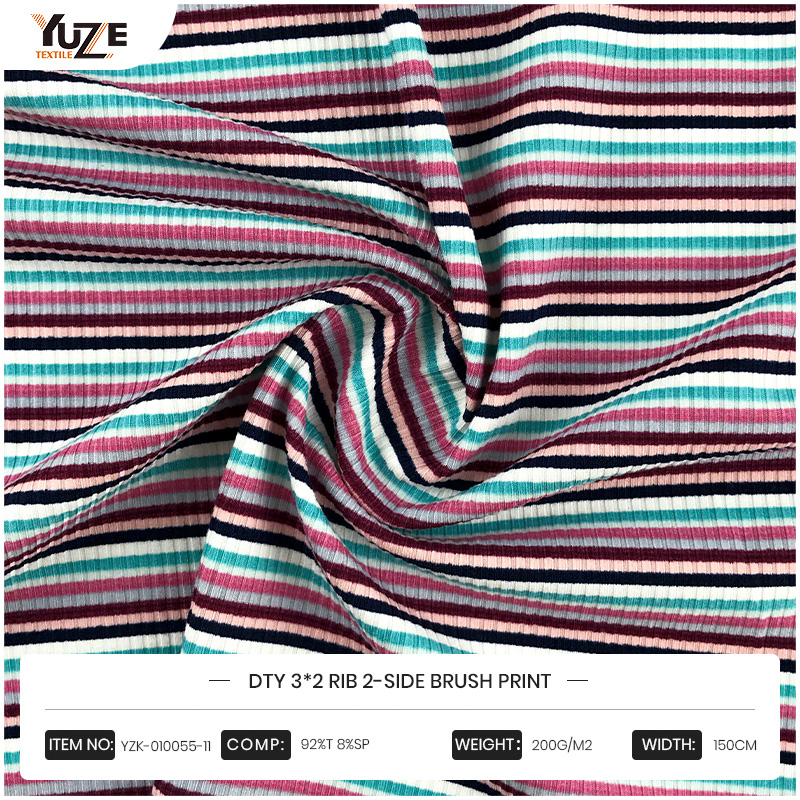
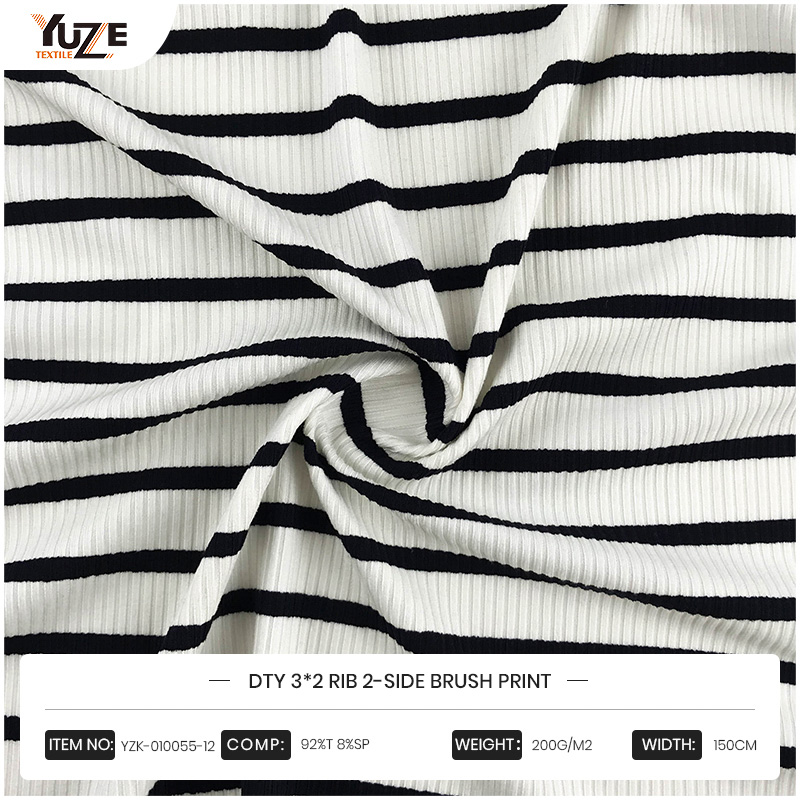
Fibre engineering plays a big role in how these fabrics feel. Microfibre polyester can be brushed into a suede-like or peached finish. Hollow polyester fibres trap air and improve insulation. Cationic-dyeable polyester is blended with regular polyester to create tone-on-tone effects. And textured polyester yarns such as DTY give knitted fabrics bulk, elasticity, and a cotton-like surface even though the fibre is entirely synthetic. For a knitwear buyer, the decision is usually less about whether polyester is suitable and more about the right yarn count, knitting structure, and brushing process.
Activewear and Athleisure
Few fibres compete with polyester in activewear. Its low moisture regain helps move sweat away from the skin, and its resistance to abrasion and UV radiation makes it a logical choice for sports tops, leggings, shorts, and track jackets. Many performance fabrics are made from polyester with a moisture-wicking finish, and others are constructed with mesh or engineered channels to improve airflow. Polyester is also used in swimwear because it dries quickly and resists chlorine damage better than many natural fibres.
Stretch is usually added with spandex or by choosing a mechanically stretchable structure. For garments that need movement in every direction, a polyester four-way stretch woven fabric gives the clean finish of a woven with the recoverable stretch of a knit. This fabric is used for cycling jerseys, yoga bottoms, sports dresses, and fitted uniforms. The stretch is stable, the dye depth is even, and the fabric can be printed with the vivid colours that sportswear brands require.
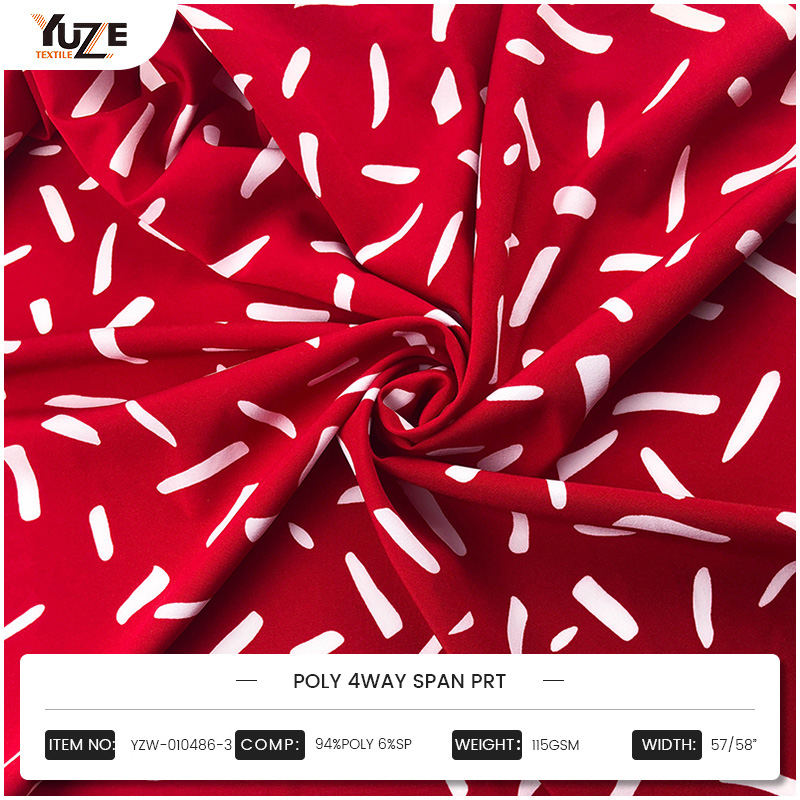 Custom YZW-010486-3 POLY 4WAY SPAN PRT-Polyester Woven Fabric Suppliers, FactorySHAOXING YUZE TEXTILE CO., LTD is China YZW-010486-3 POLY 4WAY SPAN PRT-Polyester Woven fabric suppliers and factory, - POLY 4WAY SPAN PR...View Product →
Outerwear and Tailored Pieces
Polyester is also a backbone of outerwear. Taffeta and ripstop constructions are used for windbreakers, puffer jackets, and rain shells. Bonded polyester fabrics are laminated to knit backings or membranes to add weather protection, and brushed fleece layers are used as warm mid-layers under jackets. Tailoring uses polyester blends with wool or rayon to improve wrinkle resistance and reduce cost. Even formal wear depends on polyester: satin lapels, lining fabrics, bridesmaid dresses, and tuxedo details are frequently made from polyester because it can be dyed to match across different fabric types and finishes.
Polyester in Home Textiles and Interior Applications
Home textiles are another major outlet for polyester. In a typical household, polyester can be found in bedding, curtains, cushions, blankets, carpets, tablecloths, and upholstery. The common thread is that consumers want items that are easy to clean, colourfast, durable, and affordable. Polyester checks those boxes, especially when it is converted into microfiber, brushed knit, or high-density woven structures.
Bedding is a good example. Polyester microfiber sheets have a soft, smooth hand, resist pilling, and dry faster than cotton sheets. Duvet covers and pillowcases made from polyester satin are inexpensive and do not need ironing. Polyester fill is widely used in duvets, pillows, and mattress toppers because it is hypoallergenic, washable, and cheaper than down. The same polymer that makes the outer fabric also makes the filling, which simplifies care for consumers who want to machine-wash bedding at home.
Curtains and drapes are often made from polyester because they hang well, do not fade quickly in sunlight, and do not shrink when washed. Polyester also accepts flame-retardant treatments, which is why it is used in public spaces, hotels, offices, and event venues. For upholstery, polyester is valued for its abrasion resistance and colour retention. It can be woven as a durable twill or suede-like microfibre, and it is easier to clean than natural silk or linen. Carpets and rugs made from PET fibre are common in both residential and commercial settings, and many of them are made from recycled plastic bottles.
A brushed polyester fabric is especially popular for blankets, throws, and loungewear. For example, a polyester woven flannel fabric can provide the brushed hand expected of flannel while retaining dimensional stability after repeated washing. Flannel bedding, plaid shirts, and warm blankets all benefit from this construction: the brushing creates softness, while the polyester base keeps the fabric light and quick-drying. Seasonal home products such as sherpa throws, coral fleece, and polar fleece blankets are almost always made from polyester because the fibre can be napped and sheared without losing strength.
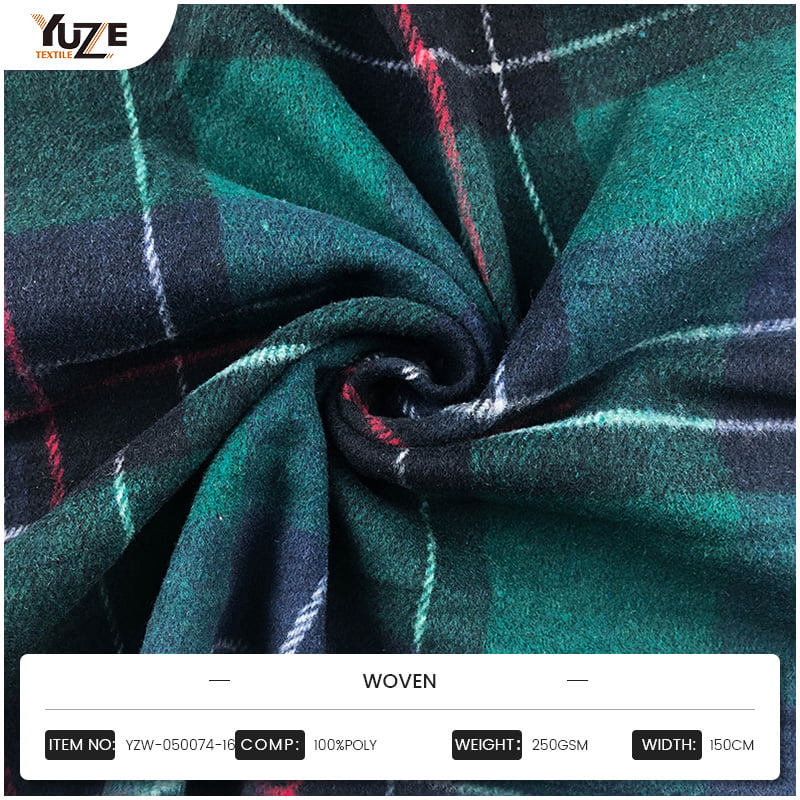 Custom YZW-050074-16 WOVEN-Flannel Woven Fabric Suppliers, Factory - SHAOXING YSHAOXING YUZE TEXTILE CO., LTD is China YZW-050074-16 WOVEN-Flannel Woven fabric suppliers and factory, - WOVEN -ITEM NO COMP WEIGHT WIDT...View Product →
Industrial and Technical Applications of Polyester
Outside the clothing store and the living room, polyester is a serious engineering material. Its strength, creep resistance, and chemical stability make it valuable in products that most consumers never think about. In industrial markets, polyester is used in both fibre and resin form, and the demands are often stricter than in apparel.
One of the oldest industrial uses is tyre cord. Polyester yarn is twisted and woven into cords that reinforce the rubber structure of car and truck tyres. The yarn must withstand heat, flexing, and high tensile load without stretching permanently. Polyester is preferred in many passenger tyre belts because it has low shrinkage and good fatigue resistance. Similar cord constructions are used in conveyor belts, hoses, and V-belts, where rubber needs a stable reinforcing skeleton.
Safety equipment also relies on polyester. Seat belts are typically made from high-tenacity polyester webbing because it has the right balance of strength, flexibility, and minimal elongation. Slings, cargo straps, climbing ropes, and tow ropes use polyester for the same reason. Unlike nylon, polyester loses less strength when wet and resists mildew, so it performs well outdoors. Fishing nets, sports nets, and hammocks are often made from polyester, though nylon is still used where abrasion resistance or elasticity is more important.
Geotextiles and nonwovens add another layer of industrial value. Polyester nonwoven fabrics are used for road construction, drainage, erosion control, and landfill liners. They separate soil layers, filter water, and reinforce ground conditions. In construction, polyester is used in insulation batts, roofing membranes, and protective clothing. In the medical and hygiene sectors, polyester nonwovens appear in wound dressings, surgical drapes, face masks, and absorbent pads. Because the polymer can be made into continuous filaments, fibres, films, and moulded parts, one material can serve dozens of industrial specifications.
PET is also the basis of the clear plastic bottle commonly used for water and soft drinks. The PET resin can be blown into bottles, extruded into strapping and film, or spun into fibre. Polyester film, often sold under trade names such as Mylar, is used for electrical insulation, packaging, labels, and solar panels. This versatility explains why polyester production is so large: the same chemistry that makes a T-shirt also makes a water bottle and a tyre cord.
Sports, Outdoor, and Mobility Applications
Polyester is the dominant fibre in outdoor and sports equipment because it combines light weight, strength, and weather resistance. Tents, backpacks, sleeping bags, rucksacks, and ground sheets are commonly made from polyester woven fabrics with water-repellent coatings or laminated membranes. Polyester resists UV damage better than some competing synthetics, so it is a sensible choice for goods that spend long hours in sunlight. Ripstop polyester is especially popular for lightweight tents and backpacks because the reinforcing grid stops small tears from growing into large holes.
Sleeping bags rely on polyester insulation as an alternative to down. Synthetic insulation made from fine polyester fibres traps air even when wet, unlike down, which collapses when moisture enters the loft. This makes polyester-filled sleeping bags reliable for camping, hiking, and emergency use. Polyester fleece layers are used in outdoor jackets and base layers because they dry quickly and continue to insulate when damp.
Luggage is another significant end use. Soft-shell suitcases, duffel bags, and packing cubes are typically made from polyester fabrics with a polyurethane coating or a bonded backing. The fabric is selected for high tensile strength, scuff resistance, and easy cleaning. The same qualities apply to car interiors: polyester is used in seat covers, headliners, parcel shelves, and load-compartment liners. Car seat fabrics made from polyester resist fading, wear, and staining, and they can be woven or knitted in patterns that match the interior design.
Marine and aerial equipment also depend on polyester. Sails, sail covers, and canvas materials are made from coated polyester because it holds its shape and resists rot. Parachutes sometimes use polyester for specific components, and many safety harnesses use polyester webbing. Even smaller items such as swimming goggles, helmet straps, shoe laces, and sport shoe uppers use polyester. The common requirement is a fibre that stays strong, does not absorb too much water, and can be dyed or printed with durable colours.
Medical, Hygiene, and Protective Products
Polyester is also present in hospitals, clinics, and everyday hygiene products. Medical-grade polyester is manufactured under controlled conditions and can be sterilised, but the basic polymer is the same PET used in textiles. Surgical gowns, patient drapes, masks, caps, and shoe covers are often made from disposable polyester nonwovens. These products need to block fluids and particles while remaining breathable, and polyester can be engineered to meet those requirements.
Reusable surgical textiles are another category. Surgeon gowns and instrument wraps may contain polyester blended with cotton for comfort, or constructed with a polyester filament warp that gives strength and a cotton weft for absorbency. Laboratory coats are frequently made from polyester-cotton blends because they withstand repeated industrial laundering and resist wrinkles. Hospital curtains and bedding use polyester for infection control and durability.
Hygiene products such as sanitary pads, diapers, and adult incontinence products use polyester in their nonwoven topsheet, acquisition layer, or backsheet. Polyester fibres can be made hydrophobic, helping the liquid pass through to the absorbent core, or hydrophilic, helping the liquid spread evenly. Wipes and cleaning cloths are often made from polyester microfibres because they trap dust and can be washed and reused.
High-performance medical applications include vascular grafts, hernia mesh, heart valve sewing rings, and sutures. These uses require special fibre grades, cleaning processes, and biocompatibility testing. A textile manufacturer normally does not make these products directly, but the raw material is still a polyester yarn with carefully controlled diameter, strength, and surface properties. This segment is much smaller than clothing and home textiles, but it shows how versatile the polyester molecule can be when it is processed under medical standards.
Types of Polyester and How They Change the Application
Buyers often ask whether all polyester is the same. The short answer is no. Fibre producers and textile mills work with different PET grades, yarn types, and polymer variants to serve different applications. Understanding the differences helps a buyer avoid specifying the wrong material for a garment or industrial product.
| Type | Key characteristics | Common end uses |
|---|---|---|
| PET | High strength, dimensional stability, heat-set ability, low absorbency | Apparel, home textiles, tyres, bottles, industrial fabrics |
| PCDT | Softer hand, better resilience and flex resistance than PET | Faux suede, resilient carpets, heavy-duty apparel |
| PTT | Good elastic recovery, softness, drapes well | Activewear, stretch wovens, carpets, upholstery |
| PBT | High elastic recovery, chemical resistance | Engineering plastics, some performance textiles |
| Recycled PET | Same chemistry as PET, made from bottles or post-industrial waste | T-shirts, fleece, bags, automotive textiles, packaging |
| Bio-based PET | PET made partly from renewable feedstocks | Bottles, apparel, films |
The yarn form matters as much as the polymer type. Flat filament yarns create smooth, lustrous fabrics such as satin and taffeta. Textured yarns create voluminous, soft knits. Spun staple yarns create a cotton-like surface. Microdenier yarns create a soft and drapey hand that is completely different from standard polyester. A buyer looking for a crisp outerwear shell should not choose a microfibre spun yarn, just as a buyer looking for a soft brushed fleece should not choose a flat filament taffeta.
In practice, most polyester apparel is made from PET yarns with a specific yarn count, filament denier, and cross-section. A trilobal cross-section adds sparkle, a hollow cross-section adds insulation, and a flat cross-section changes the lustre. These details are usually not visible in a showroom sample, but they affect how the fabric drapes, dyes, and performs after washing. A reliable mill can explain what its polyester yarn looks like under a microscope and whether it is suitable for the buyer's end use.
Key Properties That Decide Whether Polyester Is the Right Choice
Polyester is not always the best fibre. It is stronger and more wrinkle-resistant than cotton in many applications, but it is also less breathable and more prone to static. The decision should start with the performance requirements of the final product, not with general assumptions about the fibre.
- Durability: Polyester has high tensile strength and abrasion resistance. It is suitable for workwear, outerwear, upholstery, and sports gear. Pilling can occur, however, when short staple yarns are used without anti-pilling finishing, so a brushed staple jersey may fuzz more than a flat filament satin.
- Garment care: Polyester is machine-washable, quick-drying, and resistant to shrinking and creasing. This makes it practical for everyday clothing and home textiles. It can be damaged by high heat, so ironing should be done at a low temperature or with a pressing cloth.
- Colour and printing: Polyester is dyed with disperse dyes and can be printed with sublimation printing. Colour fastness is usually good, especially for deep shades, when the mill uses the correct dyeing process and afterwashing. Buyers should request colour fastness tests for perspiration, rubbing, light, and washing, especially for bright shades and sports products.
- Comfort and breathability: Polyester has low moisture absorption, which helps it dry quickly but can make it feel clammy in hot weather. Many polyester garments are blended with cotton, rayon, modal, or Tencel to improve moisture management and softness. For activewear, a moisture-wicking finish is often applied to the fabric surface.
- Stretch and recovery: Polyester itself is not as elastic as spandex, but it can be made into textured yarns that stretch and recover. Most stretch polyester fabrics contain spandex or elastane yarn in the weft or knit. The amount of spandex determines how much stretch the garment will have and how quickly it returns to shape.
- Heat sensitivity: Polyester melts at around 250°C, so it responds well to heat-setting and pleating but is sensitive to high ironing temperatures and friction heat during cutting. Cutting and sewing lines need to adjust blade speeds to avoid melted edge marks.
- Chemical resistance: Polyester resists many acids, oxidising agents, and organic solvents. It is less resistant to strong alkalis at high temperatures, so processing must be managed carefully. This resistance makes it useful for industrial filters and protective clothing.
These properties explain why polyester is such a common choice for garments that will be worn, washed, and packed repeatedly. The weaknesses, mainly breathability and static, can be addressed with blending, finishing, and fabric structure. A buyer who understands these options can specify a polyester that performs much closer to a natural-fibre blend, while still keeping the cost advantage that makes polyester attractive.
What to Check Before Sourcing Polyester Fabric
Sourcing polyester fabric is more complicated than picking a sample from a swatch card. Even two fabrics that look identical can perform differently if the yarn quality, knitting or weaving tension, dyeing process, or finishing route is different. Here are the checks that matter when a brand or trading company is evaluating a polyester fabric supplier.
Define the End Use First
The same polyester jersey can be used for a t-shirt, a dress, or athleisure leggings, but the ideal weight, stretch, and finish will be different. Write down the garment type, season, target market, and care label requirements before contacting a mill. A lightweight chiffon dress with a floaty drape needs a different specification from a structured jacket lining, even though both are woven polyester.
Check Fabric Construction and Weight
Woven polyester is used for shirts, dresses, jackets, linings, and outerwear. Knitted polyester is used for t-shirts, dresses, loungewear, activewear, and fleece. The construction affects stretch, drape, recovery, and seam strength. Weight is another quick filter: a 60 gsm chiffon is not suitable for a pair of trousers, and a 320 gsm fleece is not suitable for a summer blouse. Ask for the fabric weight in grams per square metre and confirm it against the sample.
Confirm Yarn Type and Composition
Polyester fabrics can be made from FDY, DTY, or spun yarns, and the choice changes the hand and performance. A fabric label that says 100% polyester does not tell the buyer whether the yarn is a flat filament, a textured yarn, or a staple spun yarn. Ask about yarn denier and filament count. A lower denier per filament usually creates a softer, more drapable fabric. For stretch fabrics, confirm the spandex percentage and the base yarn quality, because poor spandex causes bubbling and poor recovery after washing.
Understand Dyeing and Printing
Polyester is dyed with disperse dyes, but the process differences matter. High-temperature dyeing produces deeper, more stable colours. Cationic dyeable polyester can create special blended effects. Digital printing on polyester is popular for fashion, but the hand can become slightly stiffer depending on the print paste. If the print must be white or bright, check the coverage and colour fastness with a wash test.
Check Finishing and Performance Tests
Most polyester fabrics pass through at least one finishing process: anti-static, anti-pilling, water-repellent, wicking, brushed, peach-skin, or softener. A plain unfinished fabric may look dull or feel harsh. Ask what finish has been applied and whether it will survive repeated washing. For apparel, the key tests include dimensional stability, colour fastness to water and rubbing, pilling resistance, and tensile or tear strength. For outerwear, add water absorption or hydrostatic head tests. For activewear, add moisture management or air permeability tests.
Request Samples and a Bulk Trial
Sampling is essential, but a small sample cannot show everything. A stain, a change in hand, or a hidden shrinkage problem may only appear after a full wash cycle. Ask for a sample large enough to make a simple garment or at least a full washing and ironing test. Confirm whether the bulk order will use the same yarn lots and dyeing process as the sample. A reliable mill will inspect every piece before packing and keep records of the production parameters, so the buyer can compare bulk quality against the approved sample.
Environmental Impact and Recycled Polyester
No discussion of polyester is complete without addressing its environmental footprint. Polyester is made from petroleum-derived raw materials, and its production is energy-intensive. When polyester garments are washed, tiny microfibres can be released into wastewater, and because the fibre is not biodegradable, it can persist in the environment. These are real concerns, and they have pushed the industry toward recycled polyester, more efficient production, and better garment care education.
Recycled polyester, commonly called rPET, is made by melting existing PET products and spinning the polymer back into fibre. Most rPET comes from plastic bottles, though some is made from pre-consumer textile waste. Recycled polyester has the same chemical identity as virgin PET, so it can be used for many of the same applications: t-shirts, fleece jackets, bags, sportswear, and home textiles. The environmental benefit depends on the system: using bottle waste reduces the amount of new plastic produced, but the fibre still sheds microplastics and is not necessarily circular if the garments are not recycled again at the end of life.
Some brands are moving toward bio-based polyester, where part of the raw material comes from renewable sources such as sugarcane. These products reduce dependence on crude oil, but they do not solve the microfibre issue by themselves. Certification schemes such as the Global Recycled Standard help buyers verify that the recycled content is genuinely tracked. The most effective step a buyer can take is to design garments for longer life: choose a fabric weight that matches the use, add finishes that reduce pilling, and test the construction so the garment does not end up in landfill after a few washes.
In practical sourcing terms, recycled polyester is no longer a niche product. A mill in a major fabric market can supply recycled-content versions of jersey, fleece, chiffon, satin, and taffeta, often with similar prices to virgin polyester when the order volume is large enough. Buyers should ask for certificates, confirm the percentage of recycled content, and make sure the recycled yarn is of the same quality as the virgin version. A claim of "sustainable polyester" should be supported by data, not just by marketing language.
Choosing the Right Polyester Supplier for the Application
The practical message from this article is simple: polyester is not one fabric but a broad system of fibres, yarns, and finishing technologies. The question is not only what polyester is used for, but which polyester is right for a specific product. A mill that understands the full production chain, from yarn selection to dyeing and finishing, can help a buyer avoid costly mistakes such as choosing a fabric that is too heavy, too stiff, too shiny, or too weak for the intended garment.
When evaluating a polyester fabric manufacturer, look for range and specialisation together. A supplier with a wide product range can show how the same polymer changes across woven and knitted fabrics, from chiffon and satin to rib, jacquard, and fleece. A supplier with its own design team and sampling service also helps in the early development stage, when a buyer needs prints, colours, and custom finishes in a short time. Free samples and fabric analysis are practical tools for testing before production, and a clear quality-check process is the final safeguard against defects.
In Shaoxing, where the textile market is dense and the supply chain is mature, buyers can usually find any polyester structure they need. The challenge is not availability but specification. The more clearly a buyer explains the end use, the target price, the required tests, and the acceptable lead time, the more accurately the mill can propose the right yarn, construction, weight, and finish. Polyester will continue to serve everything from everyday fashion to industrial reinforcement, but success depends on matching the material to the job.
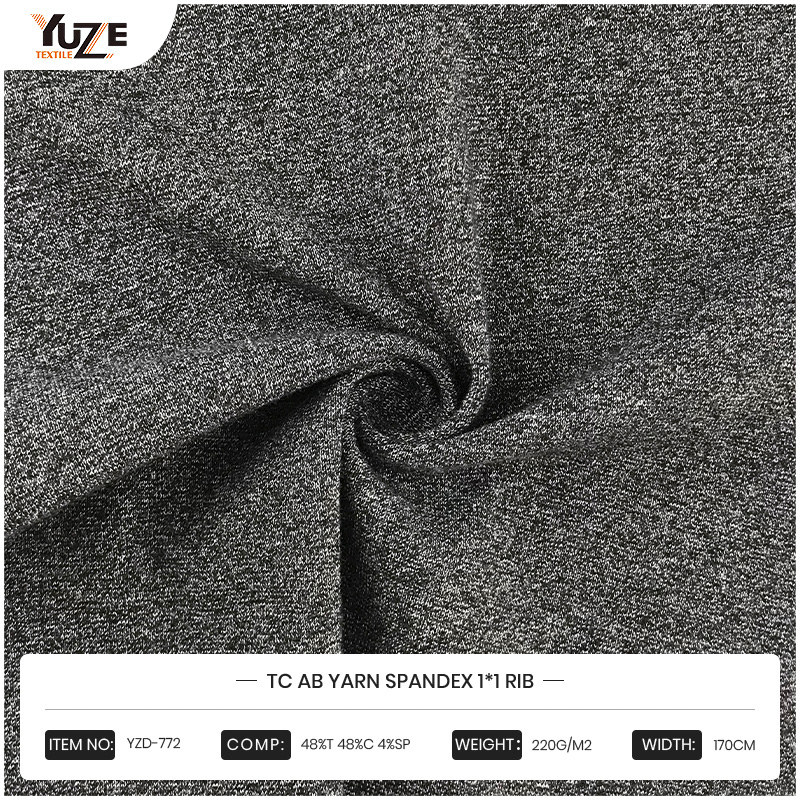



.jpg)
