.png)
 English
 Español
Two rolls of black fabric sit on a sampling table in a factory showroom. They have the same color, a similar price, and nearly identical fiber content, yet when a designer lifts a corner of each, one falls into soft, even folds while the other holds a firm, tubular shape. Garments made from the two materials will look completely different on a hanger and on a body. The property responsible for that difference is drape.
For buyers and designers working with an apparel fabric supplier, drape is one of the first qualities to check, because it decides how a garment will look before a single pattern piece is cut. This guide explains what drape means, what creates it, which woven and knitted fabrics behave in which way, and how to evaluate drape before you commit to a bulk order.
What Does Drape Mean in Textiles?
In simple terms, drape is the way a fabric hangs, folds, and moves under its own weight. A fabric with good drape for a flowing dress follows curves smoothly and creates graceful folds; a fabric with poor drape for that same design stands away from the body and holds its own shape. The word is used both as a noun and as a verb, and both uses appear regularly in fashion and textile conversations.
As a verb, to drape means to hang or cover something loosely, often in a decorative way. You drape a scarf around your shoulders, drape a cloth over a table, or drape a length of silk across a mannequin. In garment construction, the same verb appears when a designer drapes fabric directly on a dress form to shape a garment. As a noun, drape refers to the fabric's ability to fall into folds. Flat on a cutting table, a fluid viscose challis and a stiff cotton duck can look similar in color and pattern. Hang them up, and one collapses into vertical folds while the other stands out like a board. That behavior is the drape of the fabric.
Drape and Hand Are Related but Not the Same
Buyers sometimes confuse drape with hand. Hand is the way a fabric feels when you touch it: soft, crisp, smooth, rough, warm, or cool. Drape is the way a fabric behaves when gravity pulls on it. The two are connected because a soft hand often means a fluid drape, but the connection is not automatic. A soft, fuzzy fleece feels pleasant to the touch yet drapes very little, while a smooth, slippery satin drapes beautifully even though it may feel cool and firm. When you evaluate a fabric, check both qualities separately.
Draping as a Technique in Fashion Design
Drape also has a second meaning in the apparel industry. In pattern making, draping means shaping fabric directly on a mannequin or dress form instead of cutting from a flat pattern. The designer pins, folds, and trims fabric on the form, then transfers the panels to paper. This is how many complex shapes are developed, especially in couture and tailored womenswear. Both meanings matter to anyone who buys fabric, because a draped garment usually requires a fabric that drapes well in the textile sense.
Why Drape Matters Before the First Seam Is Sewn
Drape should be decided early because it determines the silhouette. An A-line skirt depends on fabric that can spread and hold an edge. A bias-cut dress needs fabric with enough fluidity to cling and follow the body. A tailored jacket requires material that holds a pressed line and does not collapse at the lapel. If the drape is wrong, the pattern is wrong, regardless of how carefully the garment is constructed.
Fit is the second reason. Two garments cut from the same pattern will fit differently if one fabric drapes softly and the other is stiff and unforgiving. A close-fitting top in a fluid single jersey will skim the body; the same top cut in a heavy fleece will stand away and add volume. Buyers who specify only measurements and color often receive samples that fit the body but look nothing like the intended design. The measurement table is satisfied, but the design intent is lost.
Movement and comfort are also affected. Soft-draping fabrics move with the wearer, which is why they are chosen for evening wear, summer dresses, and lightweight tops. Stiffer fabrics restrict movement but give structure, which is why they are chosen for blazers, trousers, and coats. Even a garment that fits perfectly will feel wrong if the fabric does not move in the way the design requires. Drape is essentially the hand of the garment in motion.
Design details interact with drape in visible ways. Pleats and gathers need a fabric that can hold the folded shape without becoming bulky. A cowl neckline only works when the fabric is soft enough to fall into those deep, curved folds. Ruffles and flounces look different in a crisp cotton poplin and a fluid rayon challis, even when the pattern is identical. When a designer sketches a garment, the sketch already implies a certain drape; the fabric buyer's job is to match it.
Finally, drape influences perceived quality. A cheap-looking garment is often simply a garment made from a fabric with the wrong drape for its design. A fabric that folds evenly and hangs cleanly reads as expensive, even at a moderate price point. Professional buyers spend as much time feeling and hanging samples as they spend checking price lists, because they know that drape is visible in every photo and every showroom appointment.
The Main Factors That Control Fabric Drape
Drape is not a single number that comes from one source. It is the result of fiber, yarn, structure, weight, and finishing working together. Changing any one of these can move a fabric from fluid to stiff, which is why manufacturers develop drape as deliberately as they develop color and pattern.
Fiber
Each fiber has a natural stiffness. Silk, rayon, modal, and fine polyesters are relatively flexible and produce fabrics that fall in soft folds. Linen, cotton, and coarse polyester are inherently stiffer and produce fabrics that hold their shape. Wool sits in between: wool suiting can drape elegantly, while boiled wool stands away from the body. When a supplier says a fabric has good drape, the fiber is usually the first reason.
Yarn
Yarn thickness, twist, and surface texture modify the fiber's natural behavior. Fine yarns pack tighter and move more easily, which improves drape. High-twist yarns make a fabric crisper, as seen in crepe, where twisting creates a pebbly surface and a springy hand. Low-twist or soft-spun yarns make a fabric softer and more fluid. A brushed or fuzzy yarn traps air, which adds bulk and reduces drape. The same fiber can produce completely different draping fabrics depending on how the yarn is spun.
Structure
Woven and knitted structures behave differently. In a woven fabric, the number of warp and weft threads per inch and the length of the floats control drape. A dense plain weave such as poplin is firm, while a satin weave with long floats is fluid and glossy. In a knitted fabric, the loop size and the tightness of the stitch determine how much the fabric can stretch and follow the body. A fine-gauge jersey drapes like liquid, while a heavy jacquard behaves more like a woven.
Weight
Weight, usually measured in grams per square meter, is another major factor. Lightweight fabrics generally drape more easily because gravity has less material to pull into folds. Heavy fabrics can be either flowing or stiff depending on their construction, but above a certain weight even a soft fiber will hold its own shape. For any given fiber and structure, there is a weight range where drape feels right for specific garments. A 90 GSM chiffon will float; a 300 GSM ponte roma will skim; a 400 GSM fleece will stand away from the body.
Finishing
Chemical and mechanical finishes can change drape dramatically. Softeners loosen the hand and increase fluidity. Starch and resin finishes stiffen the fabric and add body. Brushing and raising create a fleece surface that traps air and reduces drape, which is why brushed fleece is used for cozy outerwear rather than bias-cut dresses. Embossing, calendering, and compressing also alter the hand. A buyer comparing two fabrics with identical fiber content can still see a large difference in drape if the finishes are different.
The table below summarizes typical drape behavior for fabric families commonly used in apparel.
| Fabric family | Construction | Typical drape | Common uses |
|---|---|---|---|
| Chiffon | Woven, very light | Very fluid, transparent | Blouses, evening dresses, scarves |
| Satin | Woven, float-faced | Smooth and fluid | Dresses, lining, bridal wear |
| Crepe | Woven, high-twist yarns | Fluid with a springy surface | Dresses, blouses, skirts |
| Rayon challis | Woven, fine plain weave | Soft and fluid | Dresses, blouses, summer tops |
| Cotton poplin | Woven, dense plain weave | Crisp and stable | Shirts, dresses with volume |
| Twill and denim | Woven, diagonal lines | Firm and structured | Trousers, jackets, workwear |
| Single jersey | Knitted, one set of loops | Follows the body | T-shirts, dresses, activewear |
| Ponte roma | Knitted, double structure | Stable with a clean drape | Dresses, trousers, jackets |
| Fleece | Knitted, brushed | Bulky, limited drape | Hoodies, outerwear, loungewear |
How Woven Fabrics Drape
In woven fabrics, drape begins with the way warp and weft threads cross each other. A loose, open structure with fine yarns drapes easily. A dense structure with thick yarns holds its shape. Float length also matters: in a satin weave, a warp thread floats over several weft threads, which creates a smooth surface and increases flexibility. That is why satin wraps around the body while a poplin of similar weight does not.
For soft, flowing garments such as dresses, bias-cut skirts, and airy blouses, fabric buyers usually turn to chiffon, satin, crepe, and rayon challis. Chiffon is so light that it moves with the slightest breeze. Satin adds a glossy surface and a fluid hand. Crepe gives a subtle textured surface with an elegant fall. Rayon challis is a workhorse for summer dresses because it combines softness, breathability, and a very even fold.
Rayon deserves special attention in a discussion of drape because the fiber is naturally soft and absorbent, which lowers the fabric's resistance to bending. That is why rayon drapes so well in comparison to polyester and cotton of similar construction. For designers who need a fluid printed dress fabric, a rayon challis in a printed finish gives a smooth, silky hand that hangs in clean folds and is easy to sew.
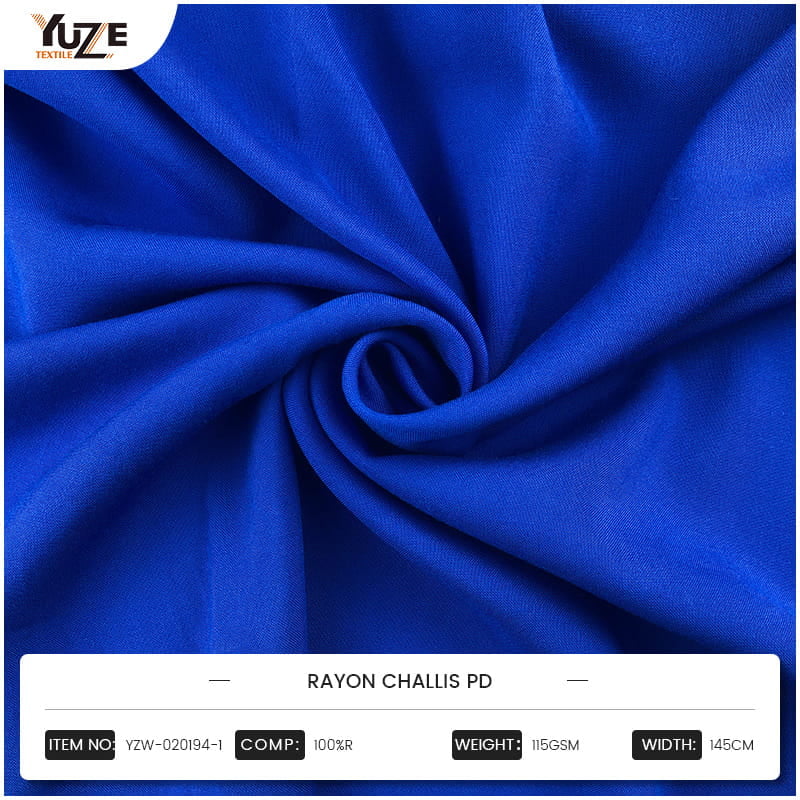 Custom YZW-020194-1 RAYON CHALLIS PD-Rayon Woven Fabric Suppliers, Factory - SHSHAOXING YUZE TEXTILE CO., LTD is China YZW-020194-1 RAYON CHALLIS PD-Rayon Woven fabric suppliers and factory, - RAYON CHALLIS PD -ITEM ...View Product →
At the other end of the woven spectrum are poplin, twill, and denim. These fabrics are more tightly constructed or use thicker yarns, so they hold creases and maintain a shaped line. Cotton poplin is crisp enough for shirt dresses with volume, twill has enough body for trousers, and denim stands away from the body by design. When a garment needs to look structured, these are the right choice, and the limited drape is a feature rather than a flaw.
In between the extremes are fabrics such as cotton double crepe and jacquard weaves, which offer a middle ground. A cotton double crepe has the surface interest of a crepe with a more stable hand than a rayon challis, making it suitable for dresses that need structure without stiffness. A jacquard woven with fine yarns can drape surprisingly well despite its pattern, because the long floats allow the fabric to bend. The lesson for buyers is that a fabric's name alone does not predict its drape; construction details decide the result.
How Knitted Fabrics Drape
Knitted fabrics are made from interlocking loops, which makes them stretch in a way woven fabrics cannot. That stretch changes how drape works. Instead of bending along straight threads, a knitted fabric can extend around curves and then recover. A knit with good drape follows the body closely without sagging; a knit with poor drape for its application adds bulk or bags out after a few hours of wear.
Single jersey is the most common example of a soft-draping knit. It is light, stretches in all directions, and molds to the body, which is why it dominates T-shirts, knit dresses, and activewear. The same loop structure in a finer gauge produces an almost liquid drape, while brushed versions become warmer and less fluid. Jersey made from cotton, rayon, modal, or blends each has its own hand because the fiber changes the loop's flexibility.
Double knits such as ponte roma behave differently. They are thicker and more stable because two layers of loops are connected, so they stretch mainly in width and recover their shape quickly. A 30S rayon spandex roma with a clean, stable hand is a good example: it drapes with moderate, controlled movement, skims the body, and returns to its original shape after stretching. That makes ponte roma a favorite for fitted dresses, trousers, and blazers that need structure and comfort at the same time.
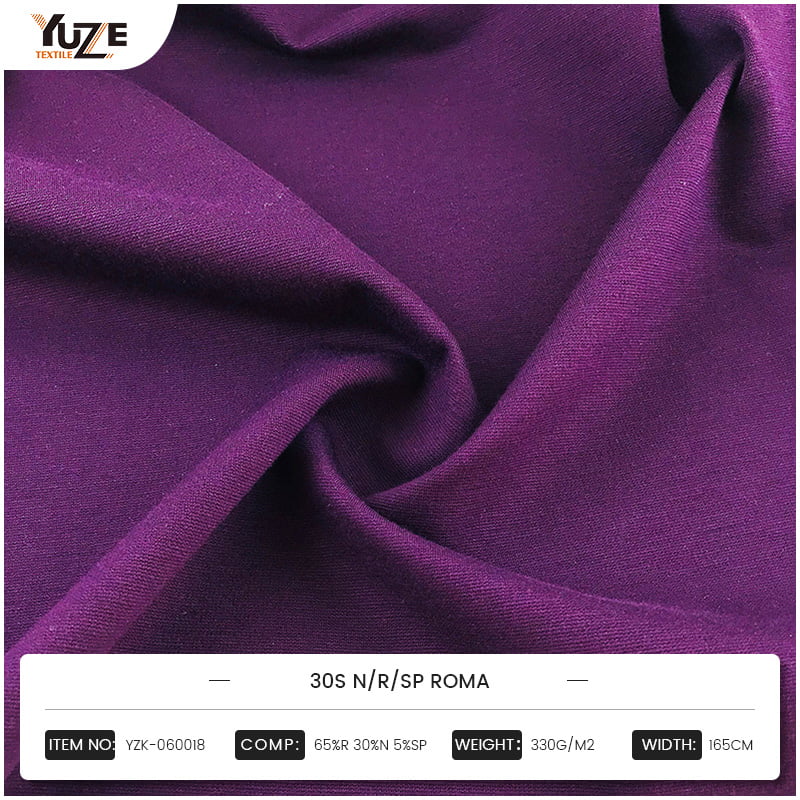 Custom YZK-060018 30S N/R/SP ROMA-Ponti Roma Fabric Suppliers, Factory - SHAOXISHAOXING YUZE TEXTILE CO., LTD is China YZK-060018 30S N/R/SP ROMA-Ponti Roma fabric suppliers and factory, - 30S N/R/SP ROMA -ITEM NO CO...View Product →
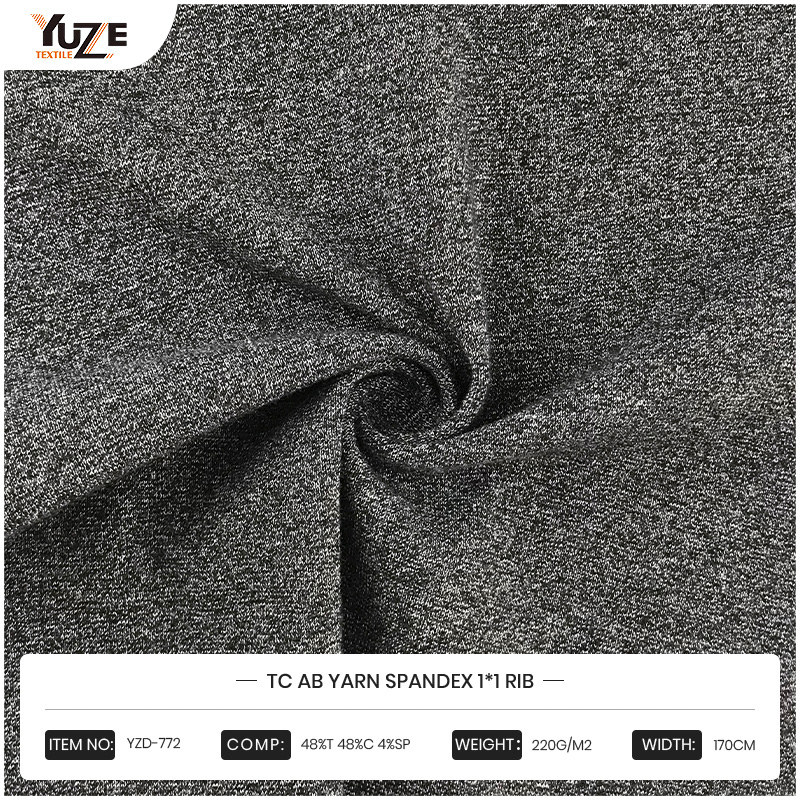
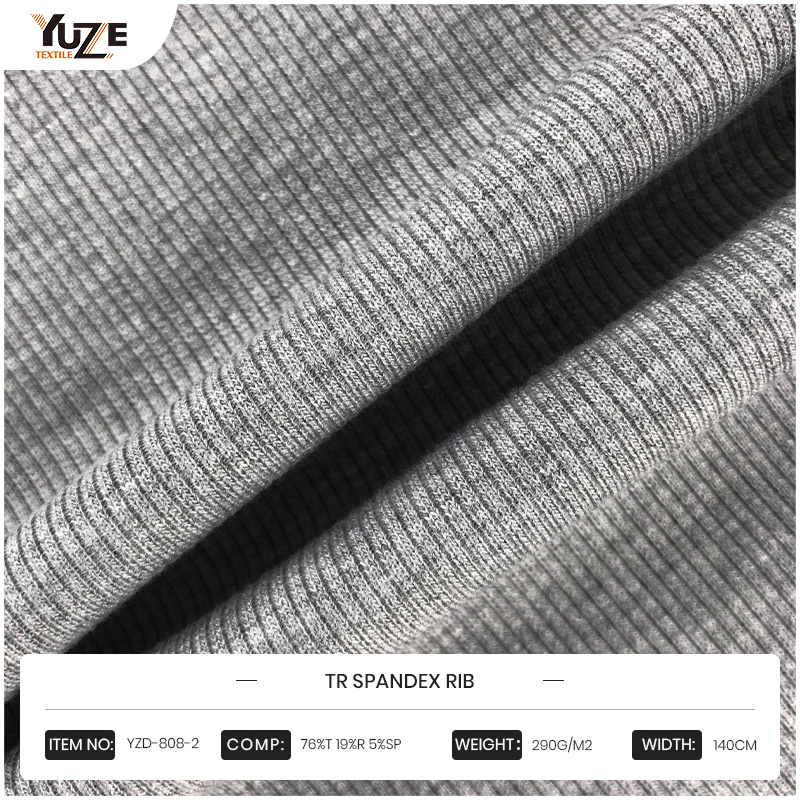
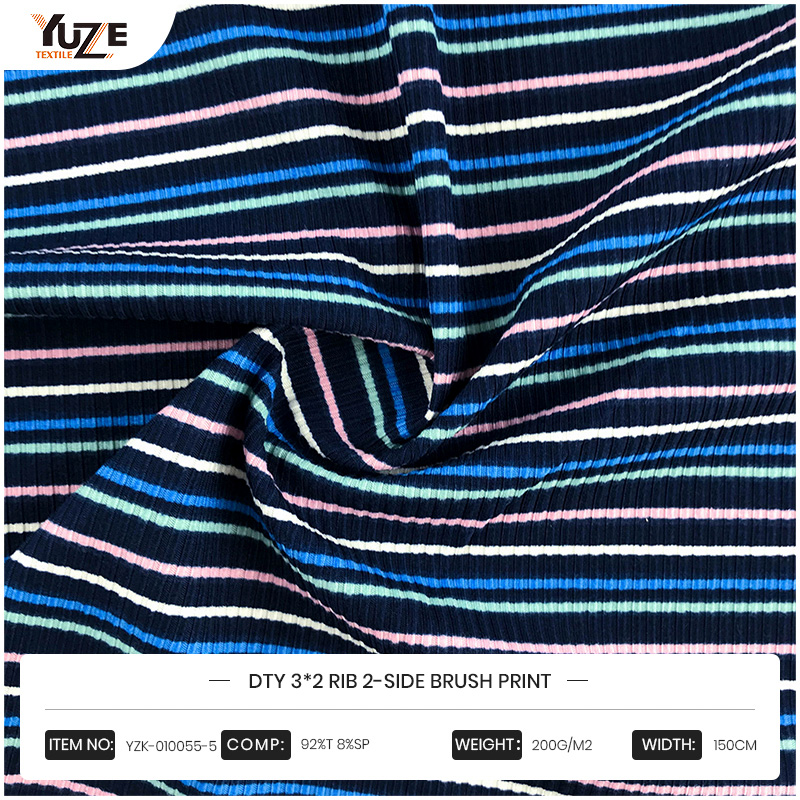
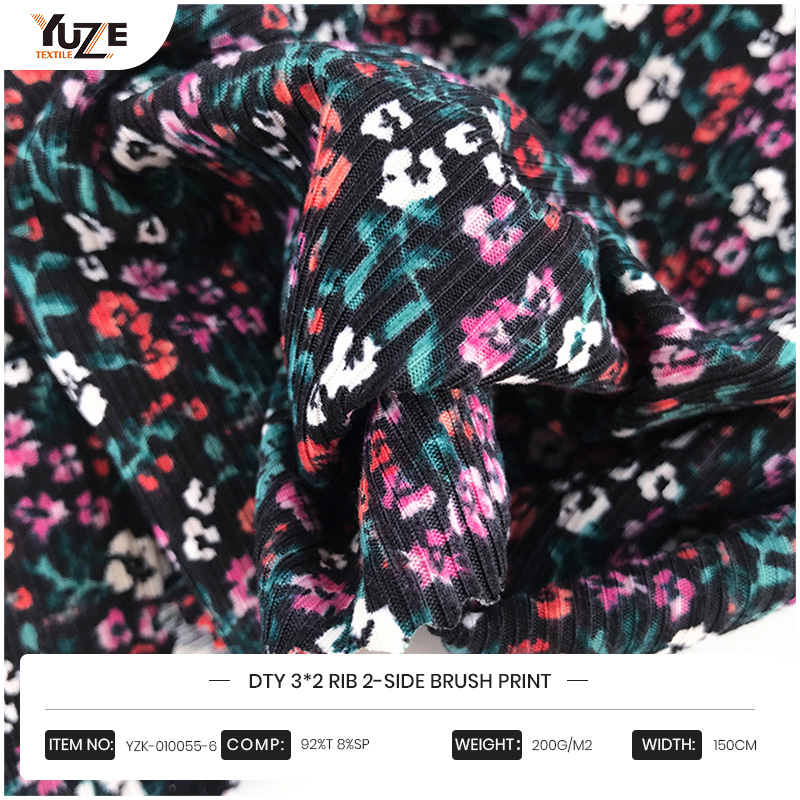
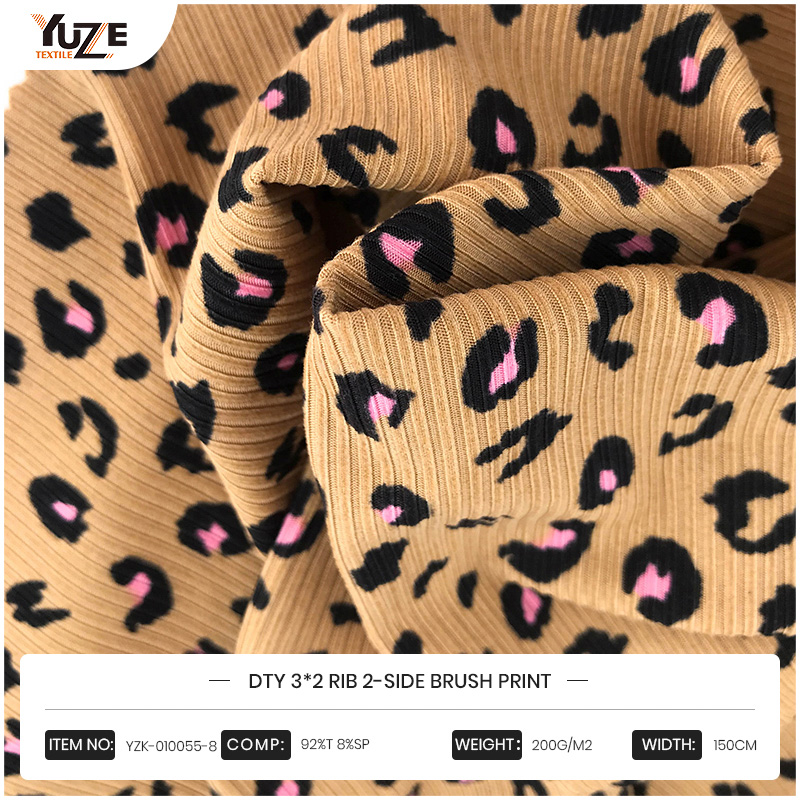
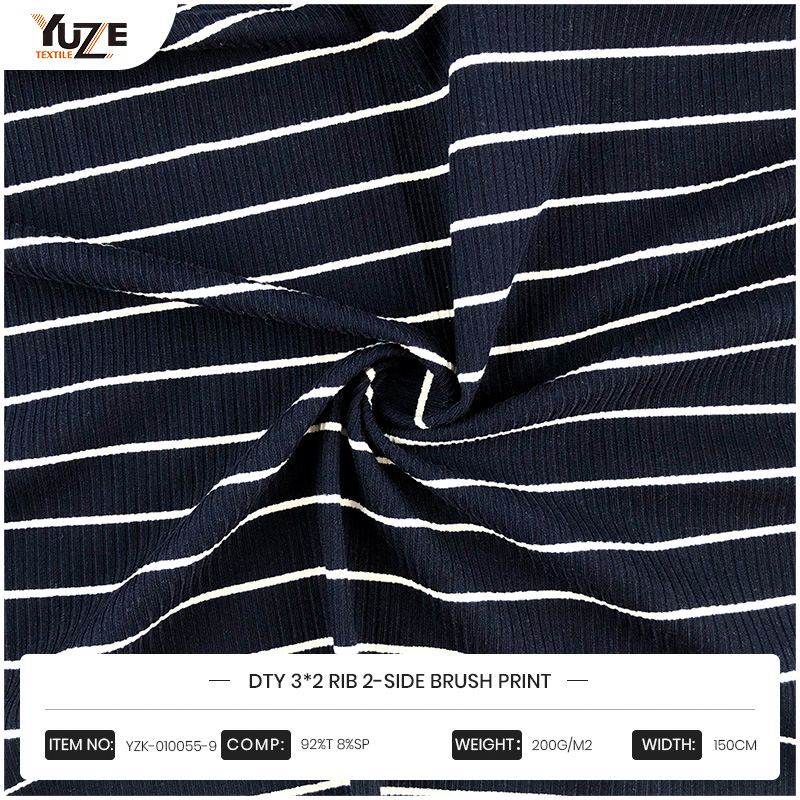
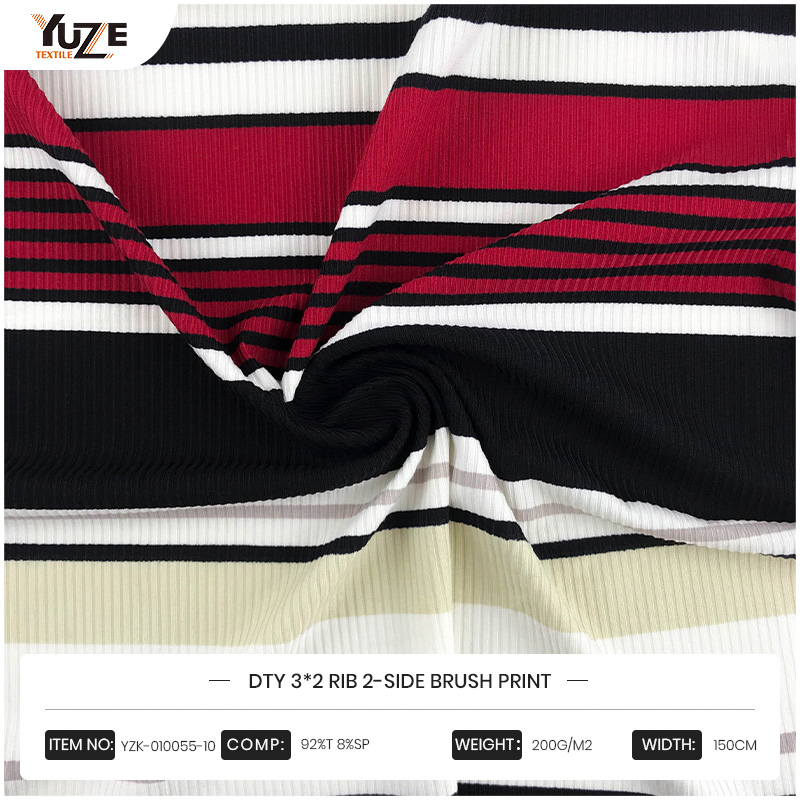
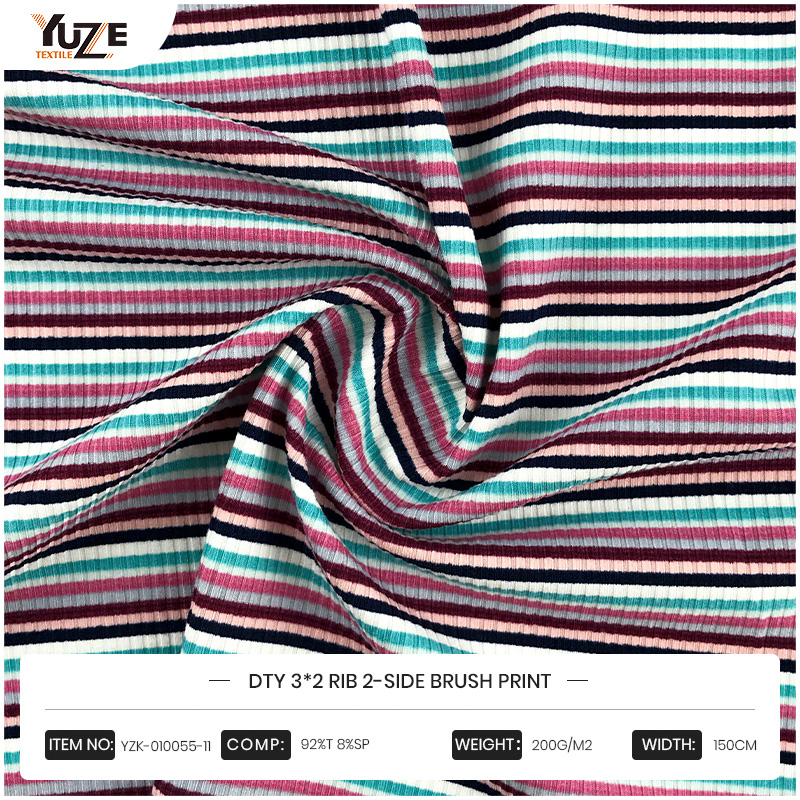
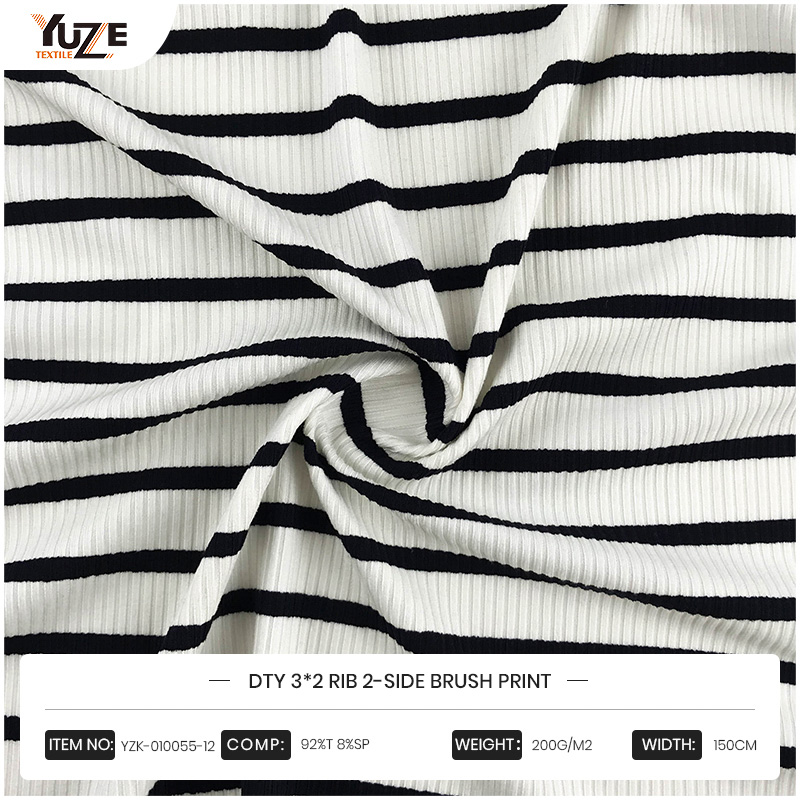
Rib knits have visible vertical columns that give them a different drape. They stretch much more in width and tend to follow the body, but their ribbed surface adds texture and visual weight. Hacci and fleece knits are brushed and airy, so they have a soft hand but very limited drape; they are chosen for warmth and a relaxed silhouette rather than a clean, fluid line. When a buyer hears a designer ask for drape in a knit, the actual request is usually a fine-gauge jersey or a smooth double knit rather than a bulky fleece.
French terry sits between jersey and fleece. It has a smooth face and looped back, so it drapes better than brushed fleece while still providing warmth. Jacquard knits vary widely: a fine jacquard can follow the body, while a heavy, quilted jacquard holds its own shape. For knitwear, the drape is closely tied to the gauge. A finer gauge means more loops per inch, a thinner fabric, and a more fluid drape. A coarse gauge means fewer loops, more air, and a stiffer, bulkier hand.
How to Evaluate Drape Before You Buy
You do not need a laboratory to judge drape for most purchasing decisions. A few simple handling tests, combined with the fabric's specifications, will tell you whether a material is suitable for your garment. The conclusion is straightforward: always test a physical sample before you approve a bulk order, because a digital photo will never show how a fabric hangs.
Start with the fold test. Take a corner of the fabric in one hand and lift it so the rest hangs freely. Watch how the fabric falls. A fluid fabric forms many small, even folds that stack closely together. A stiff fabric forms few large folds and holds them apart. This single test separates a chiffon from a poplin in a few seconds. Repeat it after holding the fabric in your hand for a minute, because body heat and moisture can relax some fibers and change the drape.
Wrap the fabric around your forearm for a second test. A fabric that hugs your arm and follows its curve has good drape for close-fitting garments. A fabric that stands away from your arm and holds a tube shape is better suited to structured pieces. Repeat both tests in different directions. A woven fabric can have different drape in the warp and weft directions, and a knit can behave differently lengthwise and crosswise. A garment may need the better draping direction oriented in a specific way on the body.
For a more objective measure, the textile industry uses the drape coefficient, measured on a drape meter in tests such as the Cusick method. A fabric sample is placed over a small disk and allowed to fall around it, and the projected shape of the fabric is compared to the area of the full disk. The result is expressed as a percentage: a value close to 100 percent means the fabric is almost rigid and barely drapes, while a value below about 30 percent indicates a very fluid fabric. Most apparel fabrics sit between these extremes. You do not need to buy a drape meter, but if a supplier quotes a drape coefficient, you now know the scale.
Specifications matter just as much as handling. Check the GSM, the fiber content, and the finishing process together. A 120 GSM viscose challis drapes very differently from a 240 GSM cotton twill, and a cotton fabric with a resin finish can feel stiffer than a polyester of the same weight. When you request samples, ask for the finishing details as well as the price. The hand of a sample straight from the mill can also change after the first wash, so confirm whether the finish is permanent.
When testing knits for body-conscious tops, a useful reference point is an enzyme-washed cotton spandex jersey, which offers a close drape with good recovery and a soft hand. The enzyme wash removes surface fuzz and loosens the fabric slightly, which improves the drape without sacrificing durability. If a knit behaves similarly to that reference, it will usually work well for T-shirts, fitted dresses, and other garments that need to follow the body.
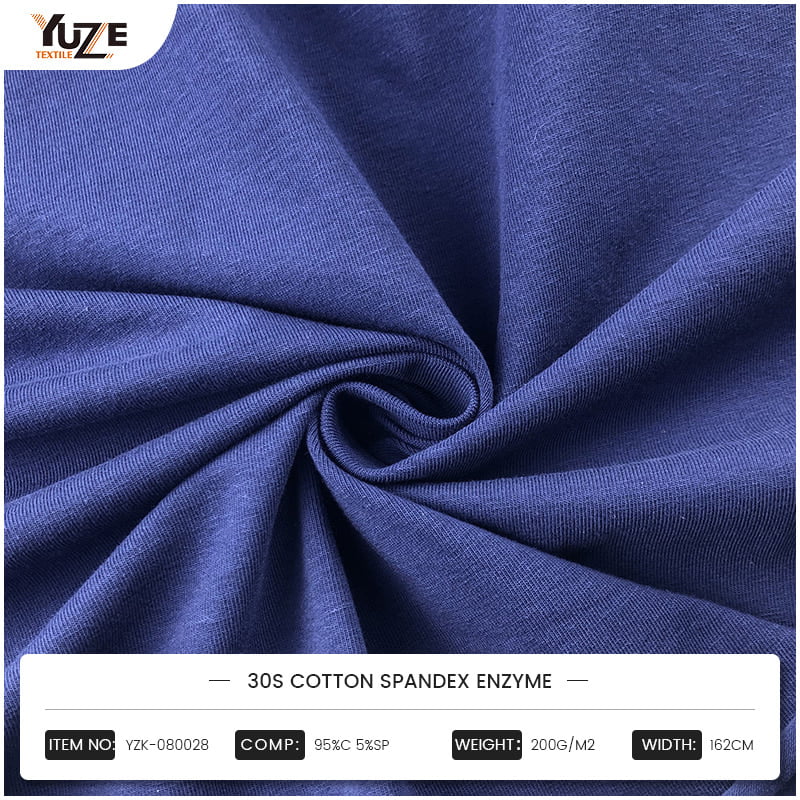 Custom YZK-080028 30S COTTON SPANDEX ENZYME-Single Jersey Fabric Suppliers, FactSHAOXING YUZE TEXTILE CO., LTD is China YZK-080028 30S COTTON SPANDEX ENZYME-Single Jersey fabric suppliers and factory, - 30S COTTON SPA...View Product →
Choosing the Right Drape for Your Garment
The right drape is not the softest drape. It is the drape that matches the design intent. A structured blazer requires a fabric that can hold a sharp shoulder. A bias-cut slip dress requires a fabric that can follow every curve. Before choosing a fabric, define the silhouette, the amount of ease, and the movement you want in the finished garment. Write those requirements down and share them with the supplier.
For soft, flowing styles such as A-line dresses, gathered skirts, and loose blouses, choose light or medium-weight wovens such as rayon challis, crepe, chiffon, or satin, or fine-gauge knits such as single jersey. These fabrics produce the smooth, even folds that give dresses a flattering fall. For fitted styles that skim the body, choose stretch knits with good recovery, such as modal blends, cotton spandex jersey, or a lightweight ponte roma. For structured styles such as tailored jackets, trousers, and coats, choose twill, poplin, denim, or a heavier double knit.
Consider the season and the end use. A summer dress needs light weight and breathability; a winter garment needs warmth, and the draping fabric will have to be paired with lining or interlining to achieve the intended shape. Consider laundering as well. Some resin finishes that stiffen a fabric will soften after washing, which changes the drape after the first few wears. If you are buying for a production line, make sure the sample you approve matches the finishing that will be applied to the bulk yardage.
A few purchasing practices prevent costly mistakes.
- Decide on drape before you decide on color or pattern, since a busy print can hide the hand of a fabric.
- Request a physical swatch and hang it before you place the order; never judge drape from a photo or a screen.
- Compare the GSM and fiber content of different options rather than comparing prices alone.
- Ask the supplier how the fabric was finished and whether the hand is stable after washing.
- For knits, test the recovery by stretching a swatch and seeing whether it returns to its original shape.
- Check the drape in the direction that matters for your pattern, since warp, weft, length, and width can differ.
Cost also interacts with drape. A fluid hand can be achieved through an expensive fiber such as silk, through a careful blend such as rayon and spandex, or through a chemical softener applied at finishing. Each approach has a different cost and a different durability profile. A budget fabric with a strong softener may feel nice in the showroom but stiffen after washing. A moderately priced rayon blend may offer a stable, natural drape that lasts for the life of the garment. When comparing quotes, ask what creates the drape, not just whether the fabric drapes.
Drape as Part of the Fabric Specification
The most practical habit a buyer can develop is to treat drape as part of the specification. When you brief a supplier, describe the silhouette and the expected hand in concrete terms: a fluid fabric for a bias-cut dress, a stable double knit for a fitted blazer, a crisp woven for a shirt with volume. Together with GSM, fiber content, width, and color, this tells the supplier exactly what to offer and reduces the number of sampling rounds.
A clear drape requirement also protects you during price negotiation. Two suppliers may quote the same construction and weight, but if you insist on a specific hand, you will receive comparable samples instead of the cheapest version. When samples arrive, run the fold test and the forearm test before comparing prices. A difference in drape of a few percentage points on the drape coefficient can be visible in a finished garment, while a small price difference is quickly forgotten after a production problem.
Custom development becomes easier when drape is specified early. A manufacturer can change the fiber blend, the yarn count, the knit gauge, or the finishing process to move a fabric toward the drape you need. This is where a supplier that produces both woven and knitted fabrics has an advantage: you can compare a rayon woven and a cotton spandex jersey from the same source and decide with actual yardage in hand rather than with guesses.
At Shaoxing Yuze Textile, we make and export woven and knitted fabrics for womenswear, and we consider drape in every stage from yarn selection to finishing. Our design team develops thousands of patterns and structures, and our standard service includes free samples and free analysis, so you can verify the drape of a fabric before committing to production. If you have a specific garment in mind and need a fabric that hangs, folds, or moves in a particular way, browse our woven and knitted fabric collections and request samples of the candidates that match your specification.
Drape is not a vague stylistic term. It is a physical property of fabric that can be seen, felt, measured, and specified. Once you understand what drape means, you will read garments differently: the soft fall of a rayon dress, the crisp structure of a cotton shirt, and the body-skimming stretch of a fine jersey are all results of the same principle. The right fabric with the right drape turns a good pattern into a garment that looks intentional. That is worth checking before every order.



.jpg)
