.png)
 English
 Español
The delivery note says the roll is 58 inches wide. When you pull the fabric onto the inspection table and run the tape across the face of the goods, it reads 57 inches. Before you reach for the complaint form, it is worth pausing: whose definition of width are you both using?
Here is the direct answer first. Width is the distance from one side of an object to the other, measured at a right angle to its length. For a rectangle or a box, width is normally the shorter horizontal dimension. For a roll of fabric, width is the distance from selvedge to selvedge, and it is one of the first numbers a buyer checks before placing an order.
The Standard Definition of Width
Most dictionaries define width as the measurement taken at right angles to the length, or simply the distance across something from one side to the other. That definition holds across major references, from learner-oriented dictionaries to mathematical glossaries, and it leads to the same idea: width answers the question of how wide something is.
The word is built from the adjective wide and the suffix -th, the same pattern that turns long into length and deep into depth. In mathematics, width is one of the fundamental linear dimensions of a shape or object. In everyday speech, it is often used interchangeably with breadth, though breadth tends to appear in more formal or figurative language.
Length, Width, Height, and Depth: Sorting Out the Dimensions
Length, width, and height are the three linear dimensions used to describe an object in space. The usual convention is that length is the longest dimension, width is the side-to-side distance measured at a right angle to length, and height is the vertical extent from base to top. In three-dimensional contexts, depth is sometimes used instead of width to describe the front-to-back extent of a box, shelf, or piece of furniture.
These labels are conventions, not laws of physics. A book lying flat has different length, width, and height readings than the same book standing upright on a shelf.
| Dimension | What it measures | Typical orientation | Example |
|---|---|---|---|
| Length | The longest side of an object | Usually horizontal | A table measuring 72 inches long |
| Width | Side-to-side distance at a right angle to length | Usually horizontal | The same table measuring 36 inches wide |
| Height | Vertical extent from base to top | Vertical | The table standing 30 inches high |
| Depth | Front-to-back extent | Usually horizontal | A shelf measuring 12 inches deep |
How Width Is Measured: Units, Tools, and Tolerances
Width is expressed in linear units. The metric system uses millimeters, centimeters, and meters; the imperial system uses inches, feet, and yards. The choice of unit matters more than most people realize, because a width given in inches cannot be compared directly with a width given in centimeters without conversion, and a rounding error at the specification stage becomes a real problem later.
The right measuring tool depends on the object. A steel tape measure or ruler works for rigid objects, calipers suit small components, and a laser distance meter is convenient for large openings. For flexible materials such as fabric, measure on a flat, tension-free surface, because stretching it by hand easily adds an inch or more.
Tolerances deserve attention too. A fabric sold as 150 centimeters wide may arrive at 148 after finishing, and most supply contracts accept a variation of around two to three centimeters.
Why Width Deserves More Attention Than You Think
Width is not just a number on a drawing. It determines whether a sofa fits through a doorway, whether a curtain panel covers a window, and how much material is needed for a given job.
For two identical lengths of material, the wider one contains more area and more usable product. In shipping, width contributes to dimensional weight, which affects freight cost. For a manufacturer, width controls how many pattern pieces can be laid side by side on a cutting table. In every one of these situations, a misunderstanding about width costs time, material, or money.
Width in Textiles: The Definition That Buyers Actually Use
In the textile industry, width has a precise meaning. Fabric width is the distance between the two selvedges, measured across the face of the goods at a right angle to the warp direction in woven fabrics, or to the wale direction in knitted fabrics. The figure is quoted as finished width or greige width, and the difference can be significant after finishing processes such as washing, heat-setting, and stentering.
Nominal width, usable width, and real-world variation
When a supplier quotes a width, confirm whether it is nominal or usable. The nominal width is the target number on the specification; the usable width is the portion that can actually be cut without including selvedges or edge defects. In woven fabrics, the selvedges are denser and firmer than the body of the cloth. In knitted fabrics, curled or loosely finished edges reduce the effective cutting area. A specification without this distinction is incomplete.
Typical widths for apparel fabrics
Finished widths follow both the fabric type and the machines that produce it. Woven shirting fabrics are commonly delivered at 44 to 45 inches, while dress-weight wovens are often set at 54 to 60 inches. Knitted fabrics, particularly single jersey and fleece, are frequently produced at 60 inches and wider. The table below summarizes common ranges.
| Fabric category | Typical finished width | Common apparel uses |
|---|---|---|
| Shirt-weight wovens such as cotton poplin | 44-45 inches (112-115 cm) | Shirts, blouses |
| Dress-weight wovens such as rayon challis | 54-60 inches (137-152 cm) | Dresses, skirts, blouses |
| Single jersey and stretch knits | 60-72 inches (150-185 cm) | T-shirts, dresses, activewear |
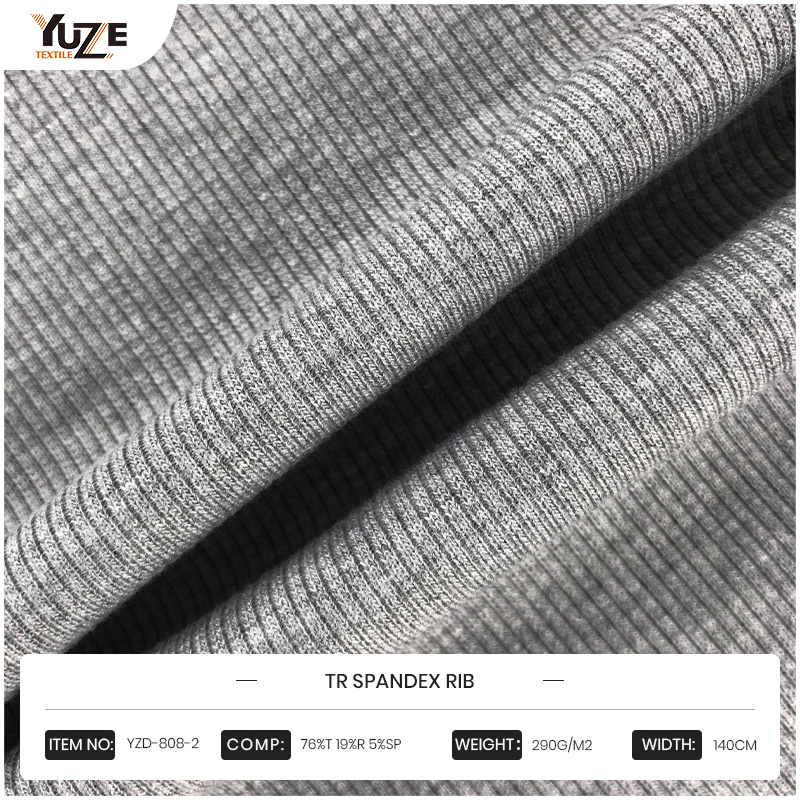
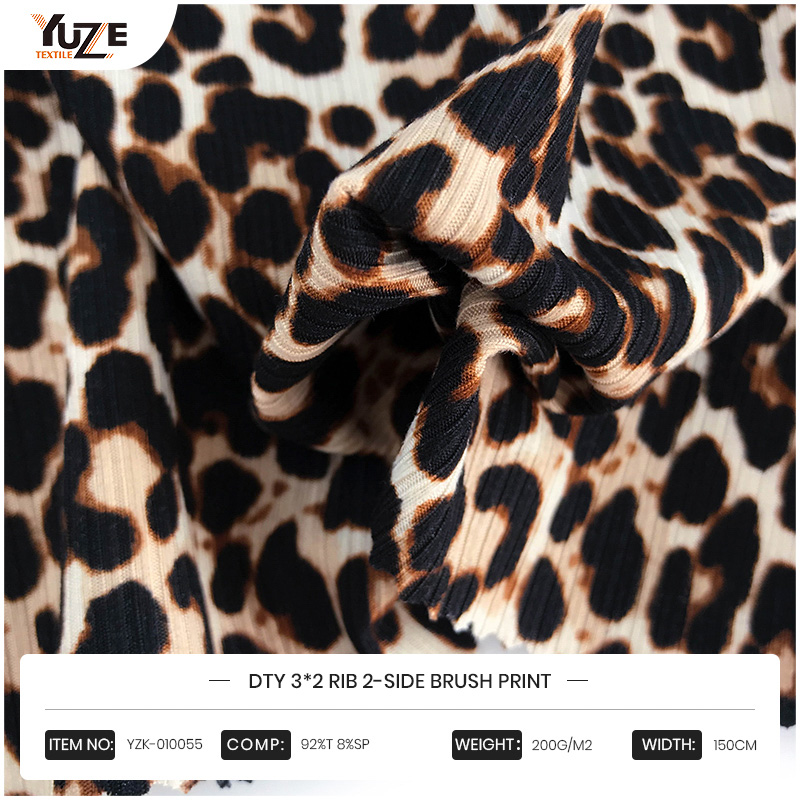
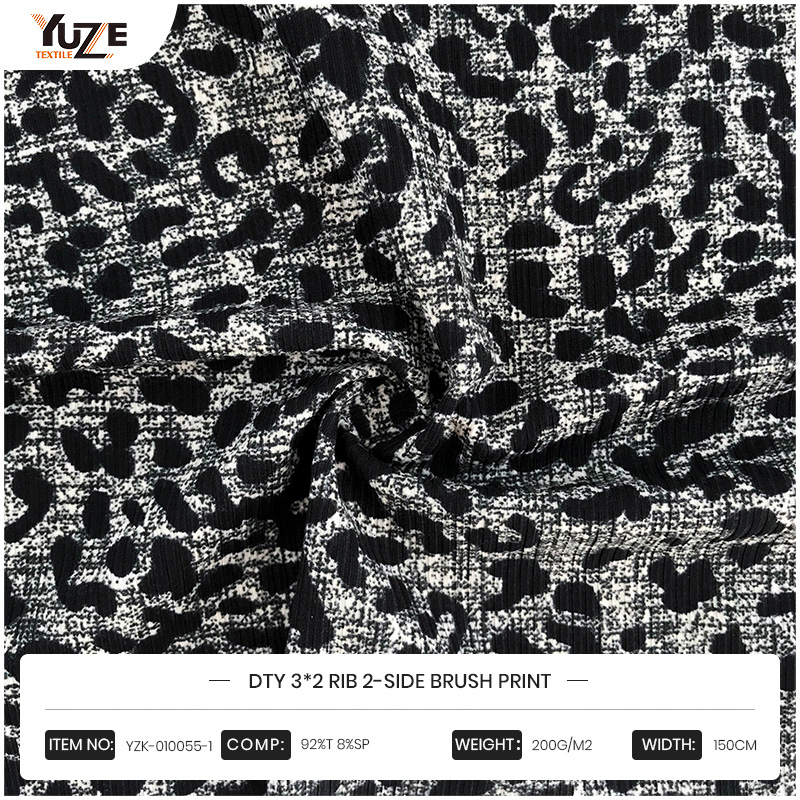
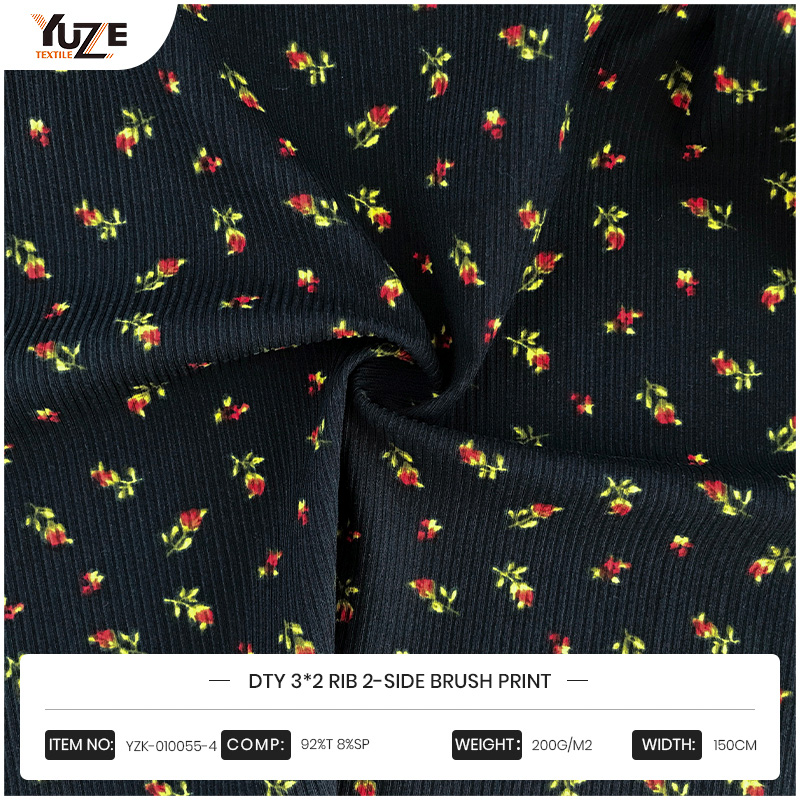
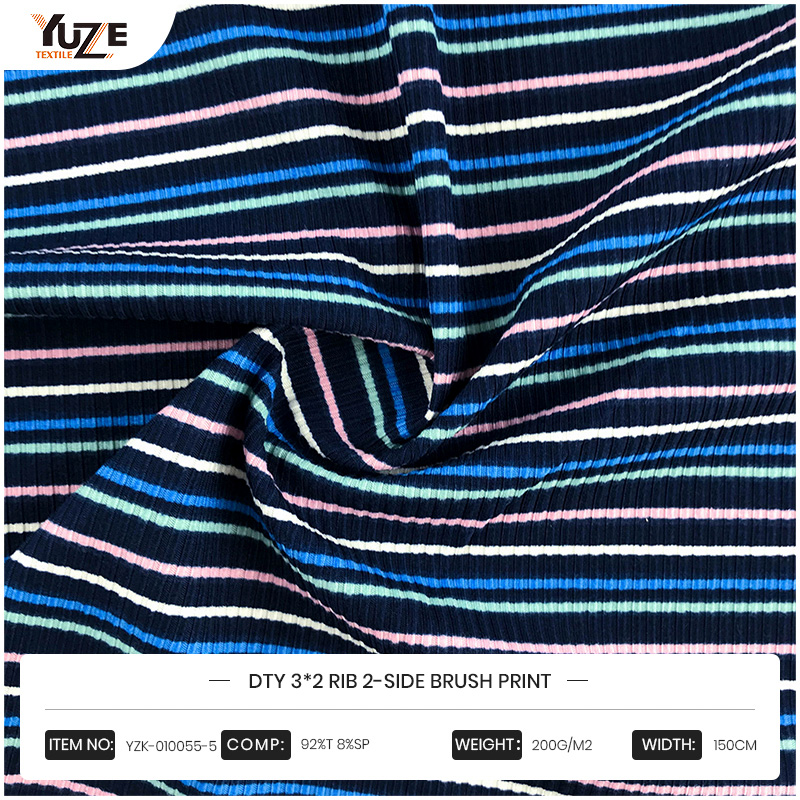
| Rib knits | 55-65 inches (140-165 cm) | Collars, cuffs, fitted tops |
| Fleece and brushed knits | 58-70 inches (150-178 cm) | Hoodies, outerwear, loungewear |
Part of the variation comes from construction. If you want to understand why a jersey is naturally wider than a poplin even when both are used for tops, start with the difference between knitted and woven fabrics in the way they are produced.
When sourcing a classic shirting fabric, a cotton poplin with a traditional 44-inch width remains a reliable starting point. For dresses and flowing blouses, a wider woven such as rayon challis finished at 54 to 60 inches wide gives pattern cutters far more flexibility in marker layout.
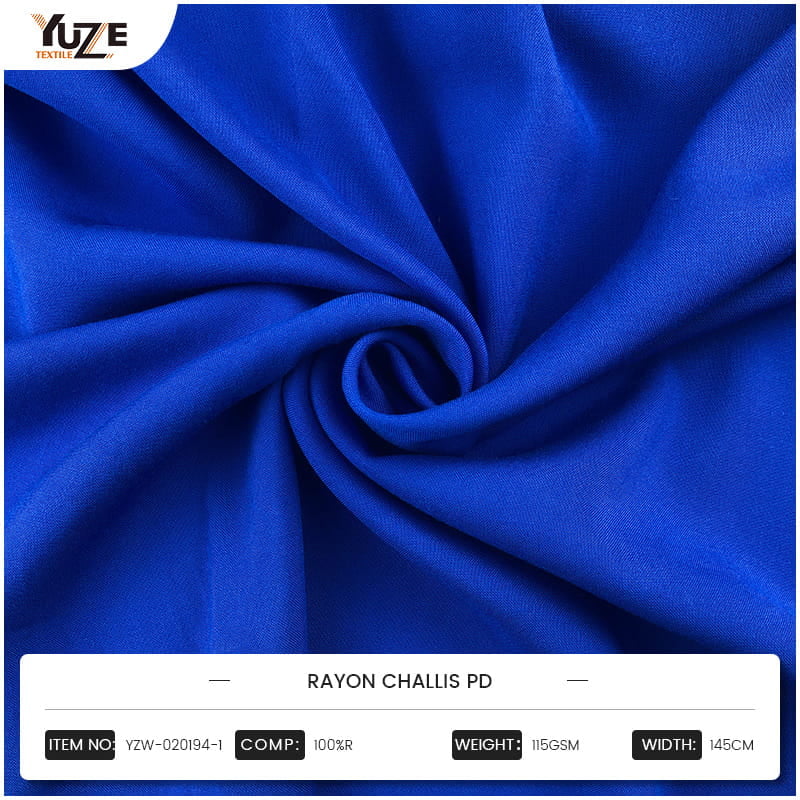 Custom YZW-020194-1 RAYON CHALLIS PD-Rayon Woven Fabric Suppliers, Factory - SHSHAOXING YUZE TEXTILE CO., LTD is China YZW-020194-1 RAYON CHALLIS PD-Rayon Woven fabric suppliers and factory, - RAYON CHALLIS PD -ITEM ...View Product →
.jpg) Custom YZW-020683 COTTON POPLIN-Cotton Woven Fabric Suppliers, Factory - SHAOXISHAOXING YUZE TEXTILE CO., LTD is China YZW-020683 COTTON POPLIN-Cotton Woven fabric suppliers and factory, - COTTON POPLIN -ITEM NO COMP...View Product →
Custom YZW-020683 COTTON POPLIN-Cotton Woven Fabric Suppliers, Factory - SHAOXISHAOXING YUZE TEXTILE CO., LTD is China YZW-020683 COTTON POPLIN-Cotton Woven fabric suppliers and factory, - COTTON POPLIN -ITEM NO COMP...View Product →How Fabric Width Changes Fabric Consumption and Cost
Width is the variable that connects a pattern to the price of a garment. For any sewing pattern, the number of pieces that fit across the fabric width determines how many meters are consumed per garment. This ratio is called marker efficiency, and it changes the moment the width changes.
Consider a simple dress panel that is 55 centimeters wide. On a 115-centimeter fabric, only one panel fits across the width, so consumption is roughly one panel length plus allowances per garment. On a 150-centimeter fabric, two panels fit side by side, so the same meter of fabric can deliver almost twice as many cut pieces. The wider fabric may cost more per meter, but the cost per garment can still be lower when the cutting layout is planned around the extra width.
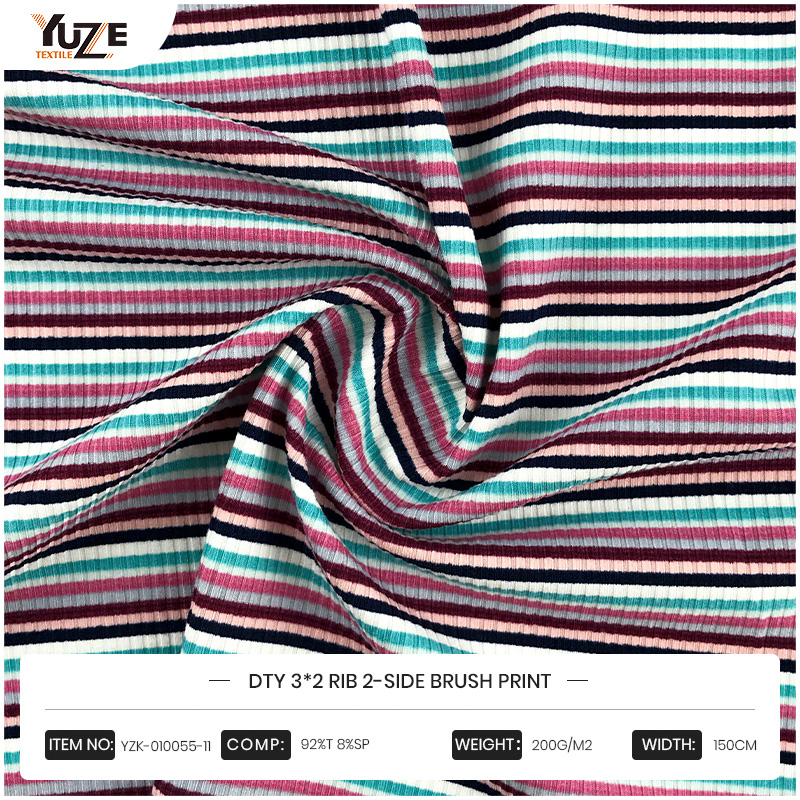
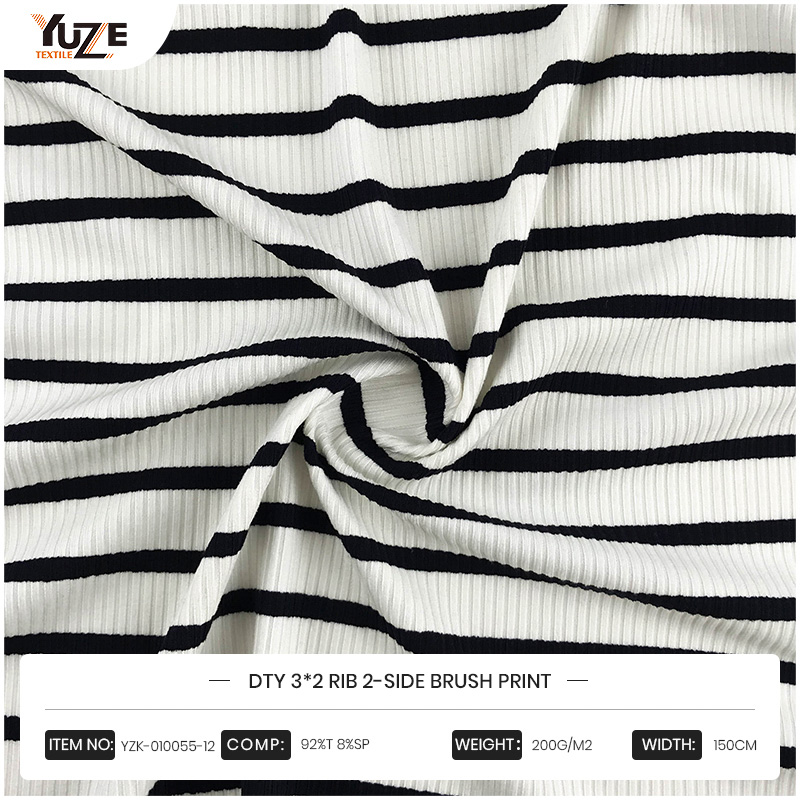
The same logic applies to knitwear. A rayon jersey supplied in a wide single-jersey construction is a practical example of how a wider roll reduces the number of plies needed for a cutting order.
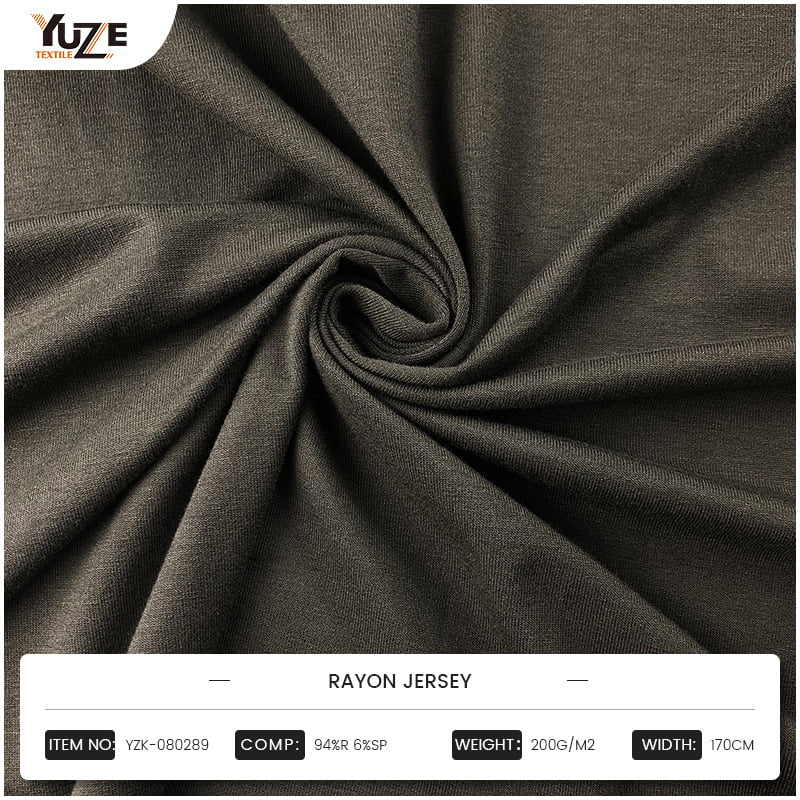 Custom YZK-080289 RAYON JERSEY-Single Jersey Fabric Suppliers, Factory - SHAOXISHAOXING YUZE TEXTILE CO., LTD is China YZK-080289 RAYON JERSEY-Single Jersey fabric suppliers and factory, - RAYON JERSEY -ITEM NO COMP ...View Product →
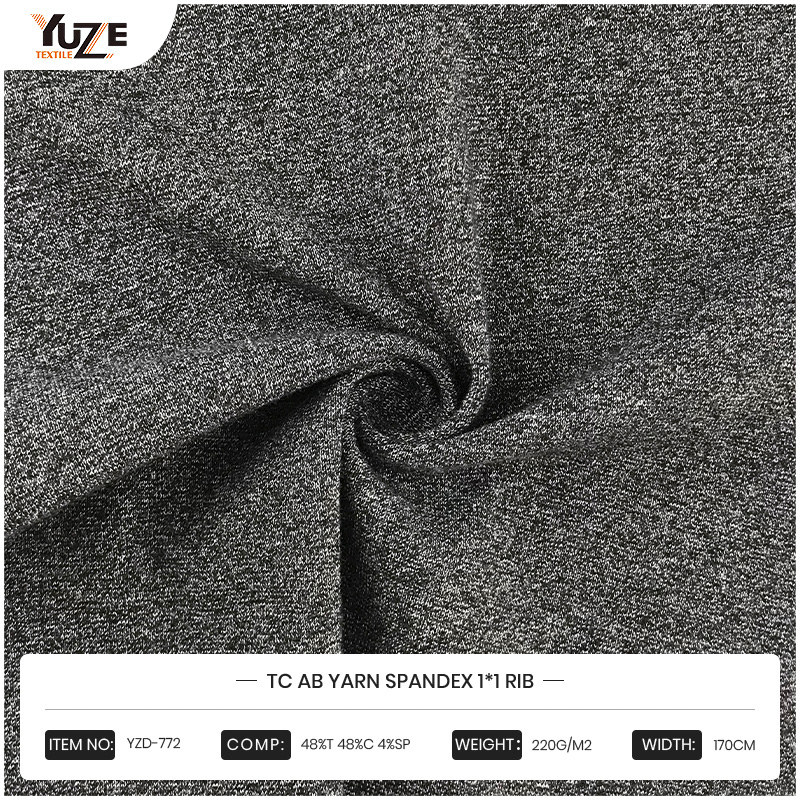
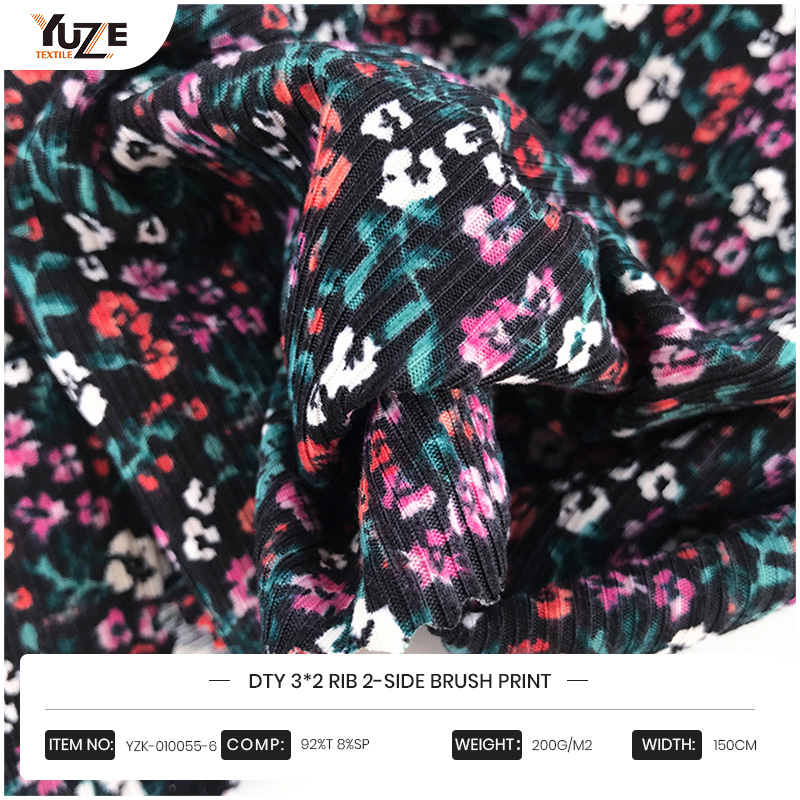
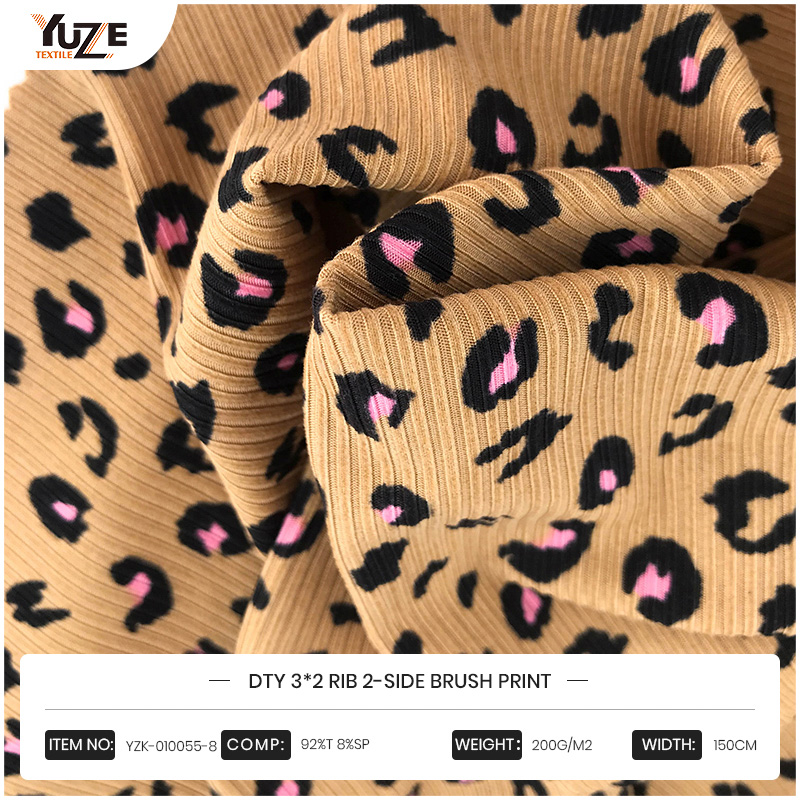
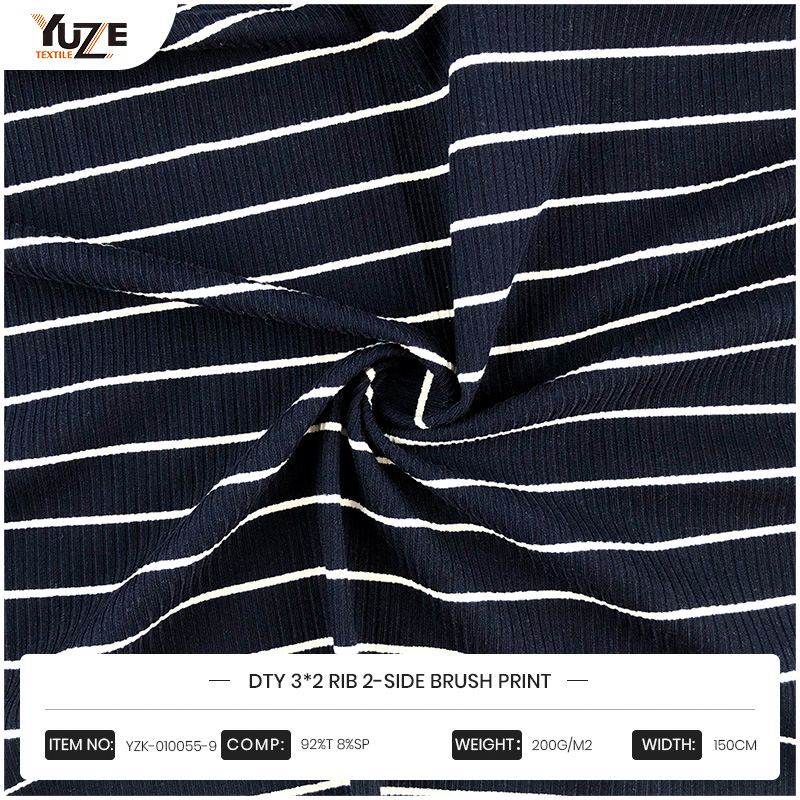
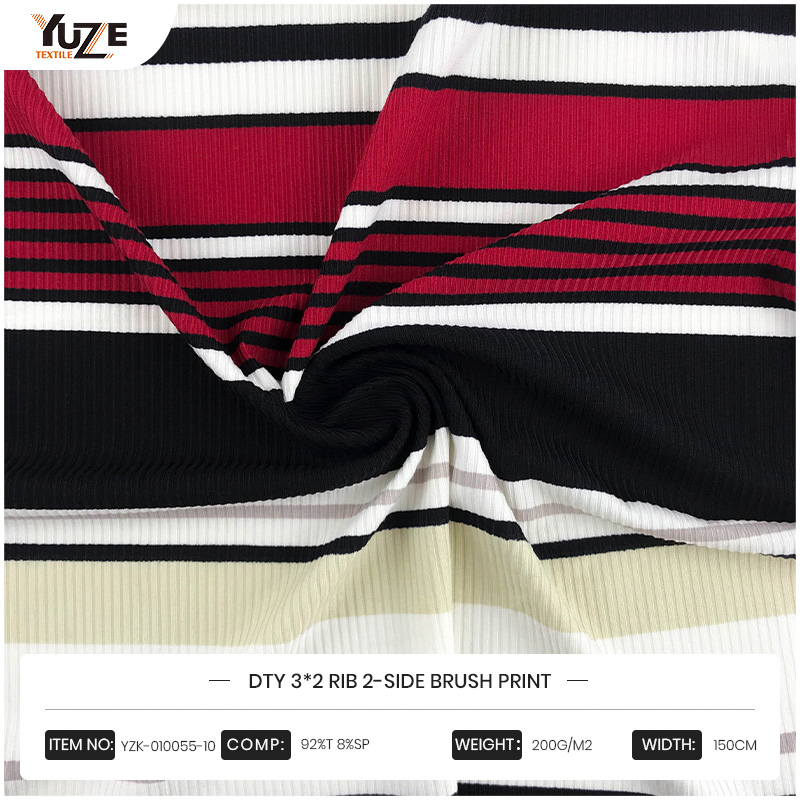
Before locking in a specification, check what the supplier already produces. Exploring the full range of woven and knitted fabrics is a practical way to see which widths are factory standards rather than special requests.
What to Check Before You Trust a Width Number
When a width appears on a quotation, a technical data sheet, or a delivery note, verify the following points.
- Nominal versus usable width. Confirm whether the quoted number is the full width between selvedges or the cuttable width after removing edges.
- Finished versus greige width. Finishing processes change the dimensions, and greige fabric will not keep the same width after dyeing and compacting.
- Shrinkage. Laundering can reduce the usable width, especially in stretch knits and enzyme-washed fabrics. Ask for the wash test data.
- Tolerance. Agree in writing on the acceptable range, usually two to three centimeters for apparel fabrics, so that a 150-centimeter roll does not later become a dispute.
- Unit of measure. Confirm whether the figure is in inches or centimeters, especially when comparing suppliers from different regions.
So what is the definition of width? In one sentence: width is the side-to-side distance of an object, measured at a right angle to its length, whether the object is a rectangle on a geometry page, a doorway in a renovation plan, or a roll of fabric on an inspection table.
In practical sourcing terms, the definition becomes useful only when you know which width is being quoted, what tolerance applies, and how that number changes the quantity you need to buy. Ask those questions up front, and a simple word stops causing expensive confusion.



.jpg)
