.png)
 English
 Español
In the diverse landscape of textile production, Knitted Fabric has emerged as a cornerstone material for manufacturers seeking a balance between flexibility, comfort, and durability. Unlike woven materials that rely on a rigid interlacing of warp and weft, Knitted Fabric is constructed through a series of interlocking loops. This fundamental structural difference allows the material to possess an inherent elasticity that is highly valued across multiple industries. From high-performance athletic wear to specialized industrial textiles, the unique properties of this fabric make it an indispensable asset in modern product development.
How Does the Structural Integrity of Knitted Fabric Differ from Other Textiles?
The primary distinction of Knitted Fabric lies in its "loop" architecture. When we examine the micro-structure of the material, we see that it is formed by one or more continuous yarns that are bent into loops and then pulled through each other. This creates a flexible network where each loop can act as a tiny spring.
When tension is applied, the loops can change shape and slide over one another, allowing the Knitted Fabric to stretch significantly without breaking. This structural freedom is the reason why garments made from this material conform so well to the human body. Furthermore, the spaces between the loops contribute to the material's breathability, allowing air to circulate and moisture to escape, which is a critical performance metric for any next-to-skin textile product.
What Are the Core Performance Attributes of Knitted Fabric?
To understand the versatility of this material, we must look at its specific performance indicators. Manufacturers choose Knitted Fabric based on its ability to meet rigorous technical demands. Below is a summary of the key attributes:
|
Performance Metric |
Technical Description |
User Benefit |
|---|---|---|
|
Elasticity |
High inherent stretch and recovery |
Ensures freedom of movement and shape retention |
|
Porosity |
Looped structure with micro-gaps |
Enhanced breathability and thermal regulation |
|
Drape |
Soft and fluid movement |
Excellent aesthetic appeal and comfort |
|
Durability |
High resistance to mechanical tearing |
Long-lasting product life even under stress |
|
Moisture Management |
Capillary action through fiber loops |
Keeps the wearer dry by wicking sweat |
|
Insulation |
Ability to trap air within the loops |
Provides warmth without excessive weight |
Why Is Knitted Fabric Essential for Athletic and Performance Wear?
In the realm of sports science, the demand for materials that support the body's natural biomechanics is immense. Knitted Fabric is the gold standard for this application. Because athletes require a full range of motion, the mechanical stretch of a knit is far superior to the static nature of a weave.
When a runner moves their limbs, the Knitted Fabric expands and contracts in synchronization with their muscles. This reduces friction and prevents the chafing often associated with more rigid materials. Additionally, specialized knitting techniques, such as circular knitting or warp knitting, allow for the creation of seamless garments, further enhancing the aerodynamic properties and comfort levels for professional athletes.
In Which Industrial Applications Is Knitted Fabric Most Effective?
Beyond the fashion industry, Knitted Fabric serves several critical industrial roles. Its ability to be engineered with high-strength synthetic yarns allows it to function in environments where mechanical resilience is non-negotiable.
Automotive Interiors: Used for seat covers and headliners due to its ability to stretch over complex, curved molds.
Medical Textiles: Ideal for compression bandages and surgical meshes because it provides uniform pressure while remaining breathable.
Filtration Systems: The controlled porosity of specific Knitted Fabric constructions makes it an excellent medium for air and liquid filtration.
Protective Gear: When knitted with aramid or carbon fibers, the fabric offers incredible cut and heat resistance for industrial workers.
How Do Different Knitting Methods Influence Fabric Characteristics?
The final characteristics of the Knitted Fabric are determined by the specific method of production. There are two primary categories: Weft Knitting and Warp Knitting.
What is Weft Knitting? This is the most common form, where the loops are formed horizontally across the fabric. Materials like Jersey, Rib, and Interlock fall into this category. Weft Knitted Fabric is known for its extreme softness and high degree of horizontal stretch, making it the preferred choice for t-shirts, sweaters, and hosiery.
What is Warp Knitting? In this process, the loops are formed vertically. This creates a more stable, flatter, and less stretchy material compared to weft knits. Tricot and Raschel are prominent examples of warp Knitted Fabric. These are highly resistant to "running" or laddering, making them perfect for swimwear, lingerie, and industrial netting.
Why Does the Choice of Fiber Impact the Quality of Knitted Fabric?
The raw material used in the knitting process dictates the tactile and functional success of the end product. While the knitting structure provides the "how," the fiber provides the "what."
Natural Fibers: Cotton and Wool are frequently used in Knitted Fabric to produce breathable, soft, and warm garments. Cotton knits are staples for everyday comfort, while wool knits offer superior thermal insulation.
Synthetic Fibers: Polyester, Nylon, and Spandex are engineered for durability and performance. When Spandex is integrated into a Knitted Fabric, it creates "Power Stretch" materials that are essential for compression gear and swimwear.
Blended Fibers: Many modern textiles utilize a blend to capture the best of both worlds—the comfort of natural fibers and the resilience of synthetics.
How Does the Maintenance of Knitted Fabric Compare to Woven Textiles?
One of the practical advantages of Knitted Fabric is its ease of care. Due to the looped structure, the material is naturally more resistant to wrinkling than woven fabrics. When a knit garment is folded or compressed, the loops simply adjust their position rather than forming permanent creases.
Furthermore, the "memory" of high-quality Knitted Fabric allows it to return to its original shape after washing, provided the correct temperature settings are used. This "wash-and-wear" convenience is a significant selling point for modern consumers who prioritize efficiency and low-maintenance lifestyles.
What Role Does Texture and Aesthetics Play in Knitted Fabric Design?
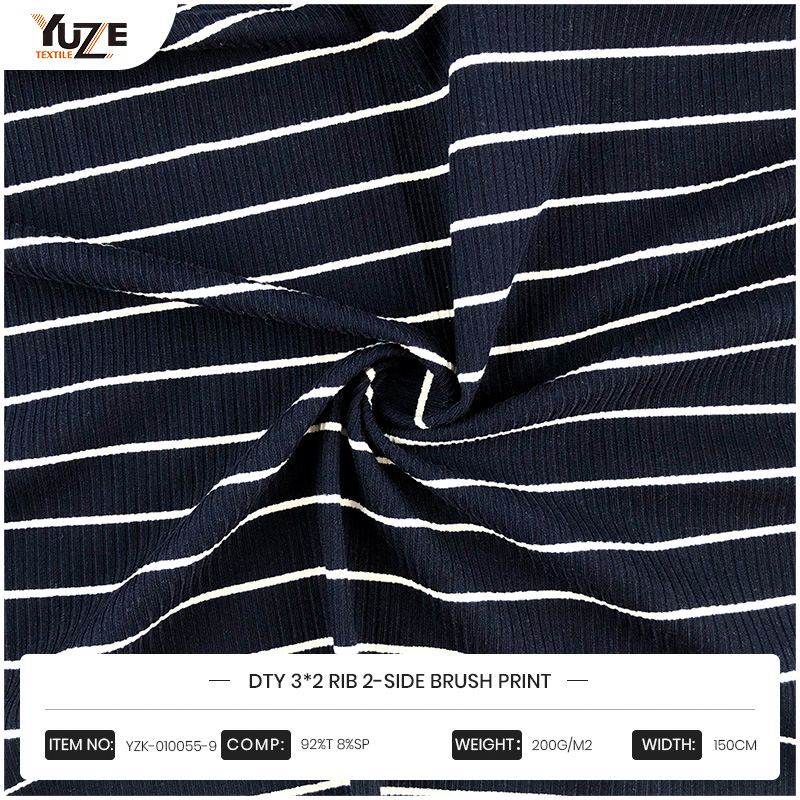
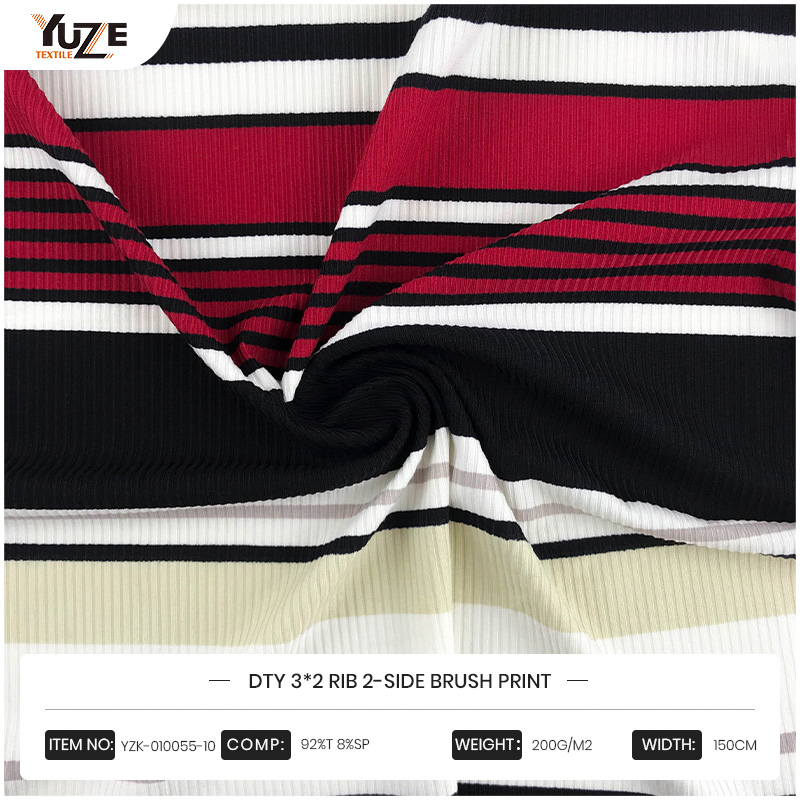
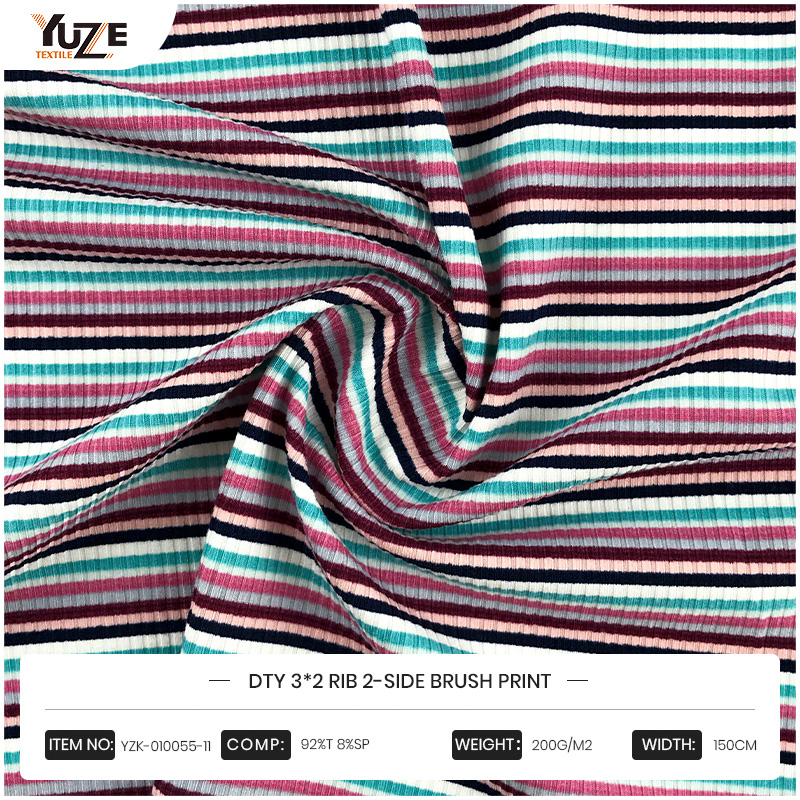
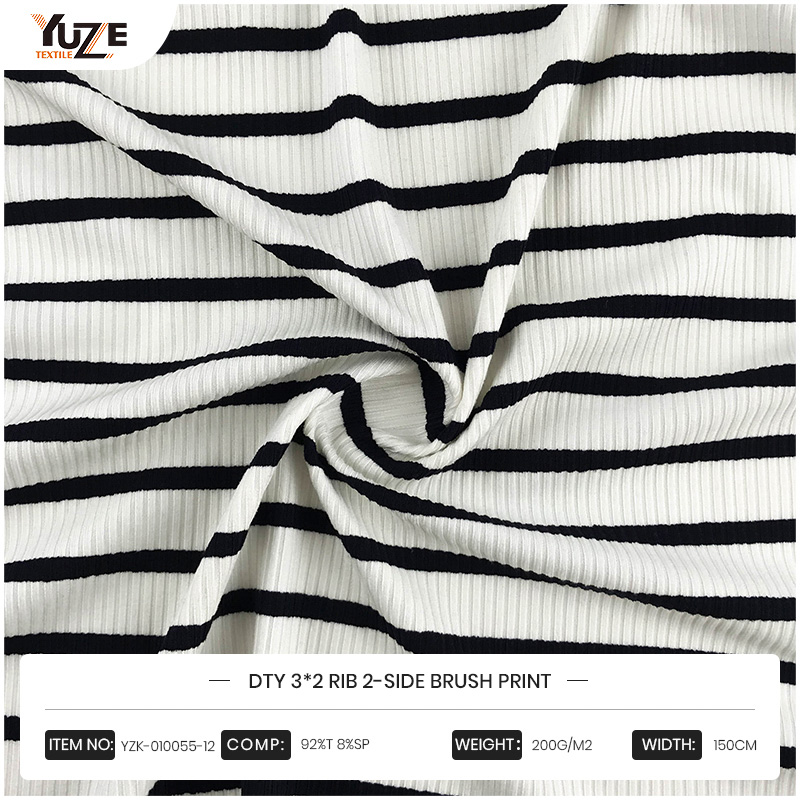
The visual appeal of Knitted Fabric is incredibly diverse. Designers can manipulate loop sizes, stitch patterns (such as cables or lace), and yarn thicknesses to create a vast array of textures. From the chunky, tactile feel of a heavy winter knit to the sheer, gossamer-thin quality of a technical mesh, the aesthetic possibilities are nearly limitless. This versatility ensures that Knitted Fabric remains a favorite in both high-end luxury fashion and mass-market functional apparel.
Why Should Manufacturers Prioritize Knitted Fabric for Future Developments?
The decision to utilize Knitted Fabric in a product line is often driven by its adaptability. Whether a project requires extreme elasticity for a sporting application or structural stability for an industrial filter, there is a specific knitting technique that can meet the challenge. The inherent breathability, comfort, and durability of Knitted Fabric continue to position it as a premier material for designers and engineers globally. By understanding the mechanical advantages of the loop-based structure, manufacturers can unlock new levels of performance in their textile offerings.
Technical FAQ for Knitted Fabric
Q: Is Knitted Fabric prone to pilling? A: Pilling is largely dependent on the fiber type and yarn twist rather than the knit structure itself. However, because Knitted Fabric has more exposed fiber surfaces, using high-quality long-staple fibers can significantly reduce pilling.
Q: Can Knitted Fabric be made waterproof? A: While the inherent structure is porous, Knitted Fabric can be treated with hydrophobic coatings or laminated with specialized membranes to provide full water resistance while maintaining its stretch.
Q: Does Knitted Fabric shrink more than woven fabric? A: Because of the relaxed nature of the loops, some knits may experience "relaxation shrinkage" during the first wash. Pre-shrinking processes in the factory are commonly used to stabilize the Knitted Fabric before it reaches the consumer.
Q: How is the weight of Knitted Fabric measured? A: It is typically measured in GSM (Grams per Square Meter). A higher GSM indicates a thicker, heavier Knitted Fabric, whereas a lower GSM is used for lightweight, breathable applications.
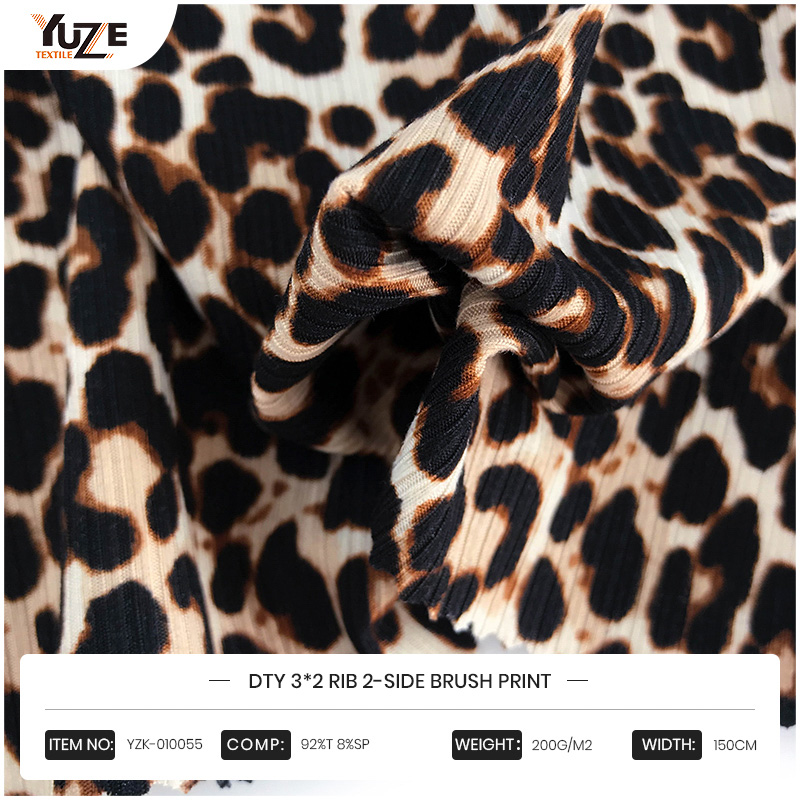
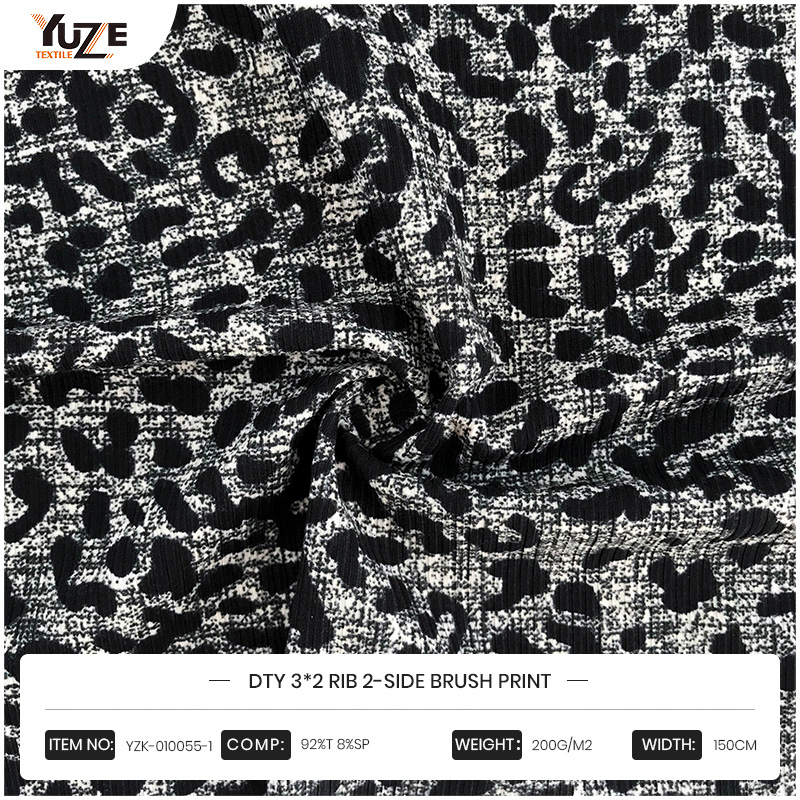
Q: Is it possible to print complex designs on Knitted Fabric? A: Yes. Modern digital sublimation and screen-printing techniques work exceptionally well on Knitted Fabric, allowing for vibrant, high-definition graphics that move with the stretch of the material.



.jpg)
